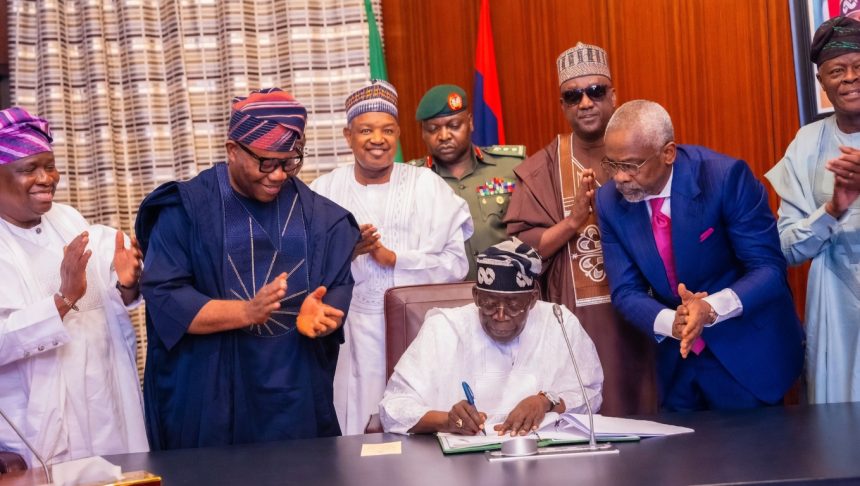
President Bola Ahmed Tinubu has signed into law the 2026 Appropriation Bill, approving a record ₦68.32 trillion budget aimed at strengthening economic stability, accelerating infrastructure development, and promoting inclusive growth across Nigeria.
In a related move, the President also assented to legislation extending the implementation of the 2025 budget from March 31 to June 30, 2026, a step designed to ensure the completion of ongoing capital projects.
The announcement was made in a statement issued by the President’s Special Adviser on Information and Strategy, Bayo Onanuga, who outlined the key components of the newly approved fiscal plan.
According to the breakdown, ₦4.799 trillion has been allocated for statutory transfers, ₦15.8 trillion for debt servicing, and ₦15.4 trillion for recurrent (non-debt) expenditure. Notably, ₦32.2 trillion—representing nearly 50 percent of the total budget—has been earmarked for capital projects under the Development Fund.
More Read

The allocation, the Presidency noted, underscores the administration’s commitment to “economic stability, national security, infrastructure development, and inclusive growth.”
The extension of the 2025 budget specifically targets its capital component, allowing Ministries, Departments, and Agencies (MDAs) additional time to complete ongoing projects. The measure is expected to “consolidate ongoing works, enhance project completion rates, and maximise value for public expenditure,” the statement said.
With the 2026 budget taking effect from April 1, its full implementation aligns with the administration’s Renewed Hope Agenda, which prioritises economic reforms, improved public service delivery, and sustainable development.
More Read
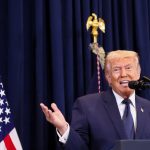
President Tinubu directed all MDAs to ensure “disciplined, transparent, and efficient utilisation of allocated resources,” stressing the need for value for money and timely execution of projects.
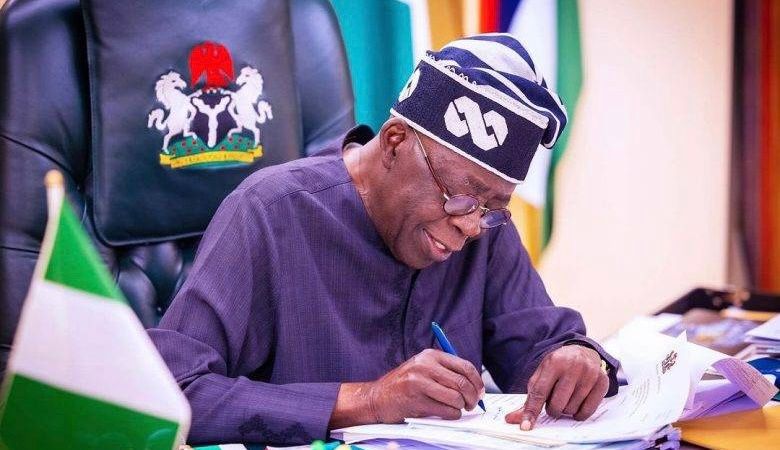
He also commended the National Assembly for its role in the swift passage of the budget, praising lawmakers for their “diligence, cooperation, and patriotism.” The President emphasised the importance of continued collaboration between the executive and legislative arms of government in advancing national development goals.
Reaffirming his administration’s economic direction, Tinubu assured Nigerians of deeper fiscal reforms, enhanced revenue generation, and strategic investments aimed at stimulating growth, creating jobs, and strengthening social protection systems.
The 2026 budget, one of the largest in Nigeria’s history, is expected to play a critical role in shaping the country’s economic trajectory in the coming year.