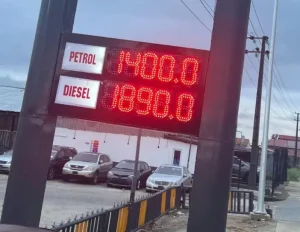
Kenya is facing the threat of a nationwide fuel shortage, as hundreds of petrol stations begin to run dry with disruptions linked to escalating tensions in the Middle East.
Industry leaders warn that the situation could deteriorate rapidly, with about 20% of the country’s independent fuel retailers already affected. According to Martin Chomba, chairman of the Petroleum Outlets Association of Kenya, supply constraints are tightening across the country.

“We have constrained supply,” Chomba said, noting that his association represents players responsible for roughly 68% of Kenya’s fuel market. He cautioned that if the crisis persists, the country could face a near-total shutdown of fuel availability in many outlets within two weeks.
The supply disruption has been triggered by the ongoing conflict involving United States, Israel, and Iran, which has interfered with oil shipments passing through the Strait of Hormuz—a critical global chokepoint responsible for transporting around 20% of the world’s oil.
More Read

Kenya is particularly vulnerable to such disruptions because it relies entirely on imported fuel, most of which comes from Gulf producers under government-facilitated agreements. Any interruption along this supply chain has immediate consequences for domestic availability.
Compounding the crisis, the Energy and Petroleum Regulatory Authority recently froze fuel prices for 30 days, despite rising global oil costs. While intended to protect consumers, the move has drawn criticism from retailers who argue it makes it financially unsustainable to restock fuel at higher international prices.


Retailers are now urging the government to allow them to source fuel independently from private suppliers, a move they believe could ease shortages but may also lead to higher pump prices.
As the situation unfolds, concerns are growing over the broader economic impact. Fuel shortages could disrupt transportation, drive up the cost of goods, and place additional strain on households and businesses already grappling with economic pressures.
With no immediate resolution in sight to the Middle East conflict, Kenya finds itself on the brink of a deepening energy crisis—one that could soon be felt across every sector of the economy.