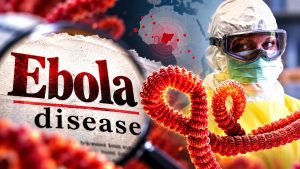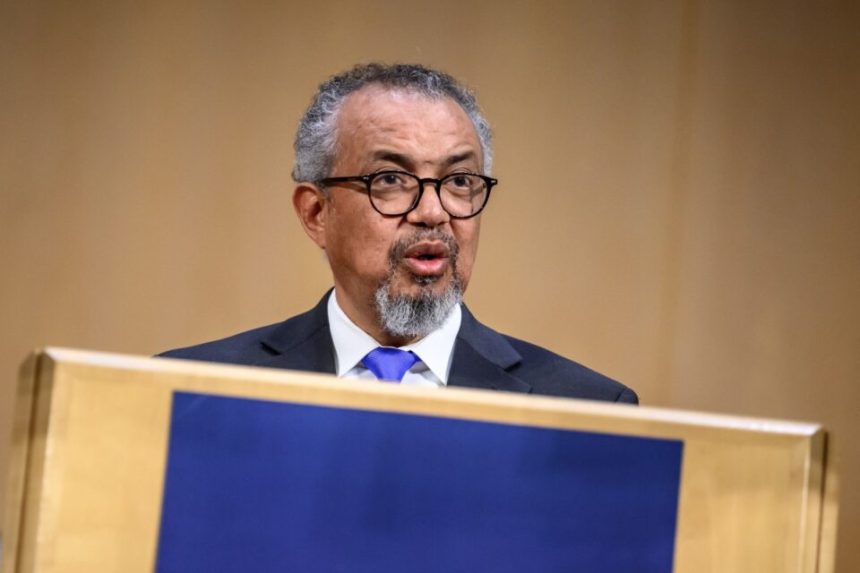
The World Health Organisation (WHO) Director-General, Dr Tedros Ghebreyesus, has urged countries across the region to sustain a high level of preparedness following Nigeria’s confirmation of its first imported case of Ebola Virus Disease caused by the Bundibugyo virus.
Tedros made the call in a post on his official X handle on Wednesday, following confirmation of the case by the Federal Ministry of Health and Social Welfare.
He said contact tracing was ongoing, while the WHO and its partners were working with the governments of Nigeria, Kenya and the Democratic Republic of the Congo (DRC) to strengthen the overall outbreak response.

“Contact tracing is ongoing. WHO and partners are working with the governments of Nigeria, Kenya and the DRC to strengthen the overall outbreak response,” he said.
More Read

The WHO chief stressed the need for countries in the region to maintain heightened vigilance to ensure the early detection of suspected cases, prevent further transmission and protect healthcare workers and communities.
“WHO urges all countries in the region to sustain a high level of readiness, which is essential to detect cases early, prevent onward transmission and protect health workers and communities,” Tedros added.
The Federal Government on Tuesday confirmed Nigeria’s first imported case of Ebola Virus Disease in the Federal Capital Territory (FCT) after a woman who recently travelled from Uganda tested positive for the infection.
More Read
The Minister of Health and Social Welfare, Prof. Ali Pate, disclosed that the patient had been placed in isolation and was receiving medical care as health authorities intensified efforts to contain the potential spread of the virus.
Pate said surveillance and contact-tracing activities had been strengthened to identify and monitor individuals who might have been exposed to the infected patient.
According to the minister, 44 contacts had been identified for monitoring. They included healthcare workers, patients, caregivers and individuals who might have travelled with the patient.
The monitoring exercise is part of efforts by health authorities to detect possible infections early and prevent further transmission within healthcare facilities and the wider community.
The Federal Government has also appealed to Nigerians to remain calm and avoid spreading unverified information about the outbreak. It urged the public to rely on official communications from relevant health authorities and comply with public health guidance.
As part of preventive measures, Nigerians have been advised to maintain proper hand hygiene, familiarize themselves with the symptoms of Ebola and seek guidance from public health authorities if they suspect they have been exposed to the virus.
More Read

The government said it was working with the Nigeria Centre for Disease Control and Prevention (NCDC) and other relevant health authorities to strengthen surveillance and response measures following the confirmation of the case in the FCT.
The WHO’s call for sustained regional preparedness underscores the importance of coordinated action among countries to manage the risk of cross-border transmission and protect public health.
With contact tracing and monitoring underway, health authorities are expected to continue surveillance and public communication as part of efforts to contain the situation and reduce the risk of further spread.