The World Food Programme says its funding shortfall will reduce assistance to hundreds of thousands of Palestinians, with daily hot meals, food parcels and other essential support facing cuts despite persistent hunger across the territory.
The United Nations World Food Programme (WFP) has announced drastic reductions in food assistance to Palestinians in the Gaza Strip due to severe funding shortages, raising fresh concerns about worsening hunger as winter approaches.
The agency said the number of people receiving its assistance would fall by about a third, from 1.6 million to 1.1 million, despite continued humanitarian needs across the war-ravaged territory.
Among the immediate consequences is a reduction in the number of hot meals provided by community kitchens, which will drop from 250,000 to 150,000 daily. Families living in hard-to-reach areas, including communities near the so-called Yellow Line that marks Israel’s area of military control, will receive meals every other day instead of daily.
The cuts come at a critical time for Gaza, where most of the population remains displaced and millions depend on humanitarian assistance to meet their basic food needs.
More Read

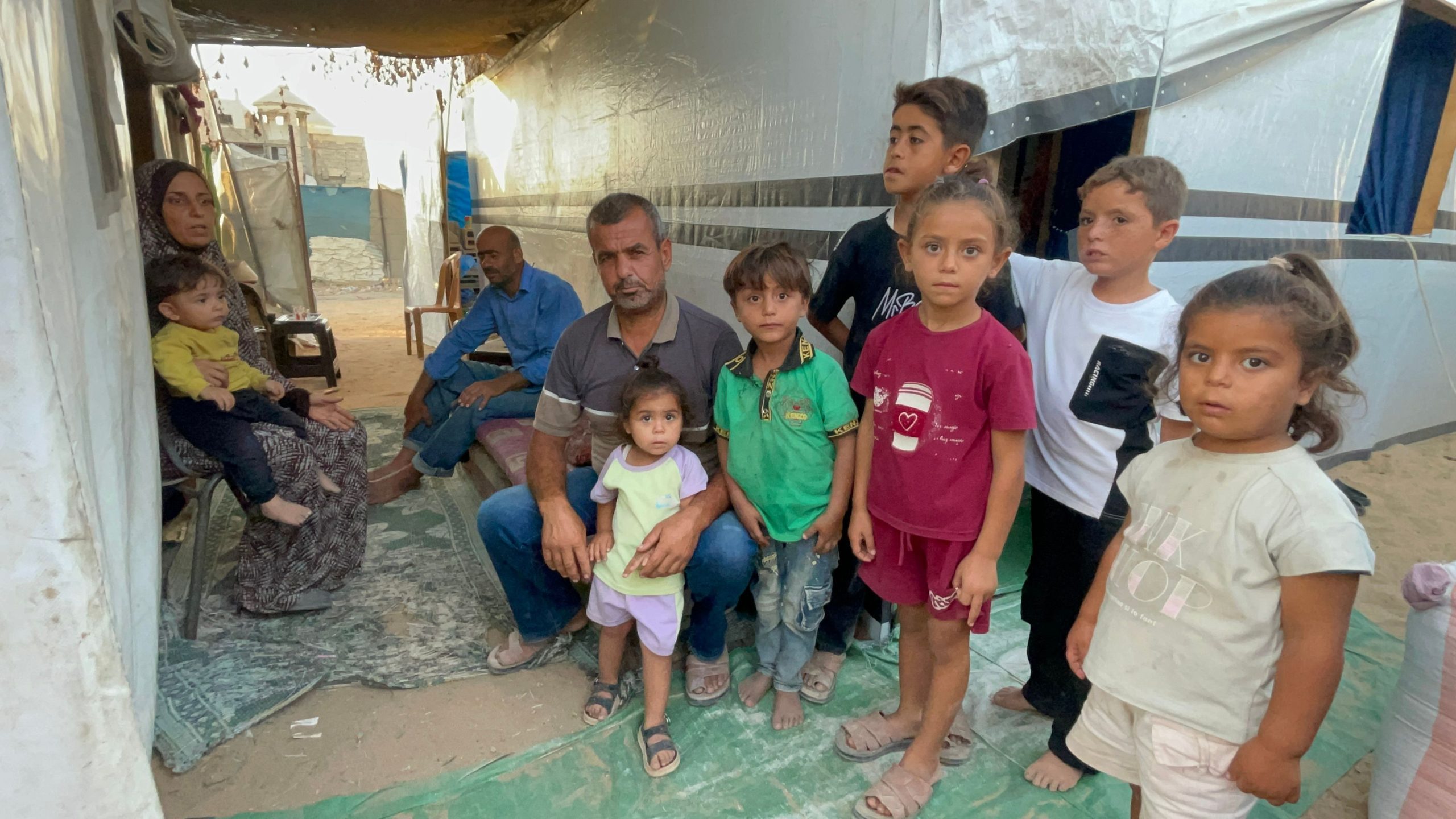
Displaced Families Fear Worsening Hunger
The announcement has sparked anxiety among displaced Palestinian families who already struggle to obtain enough food for their households.
Mervat al-Satari, a displaced mother of five living in a camp in the al-Mawasi area of Khan Younis, expressed concern about how her family would survive with reduced food assistance.
More Read

“It’s a disaster! What will we do with these reduced rations? How will we provide for the little ones?” she said, explaining that her family sometimes depended on community kitchen meals as a primary source of food.
Another displaced mother, Sawsan Bahloul, who has three children, said the reduction would make an already difficult situation worse.
She explained that daily food assistance had provided some relief, although the portions were often insufficient to feed her family. With meals set to be distributed every other day in some areas, she fears the hardship will intensify.
Community kitchens typically serve meals such as pasta and lentils, occasionally accompanied by potatoes and aubergines. For many families, however, these meals remain inadequate to meet their daily nutritional needs.
WFP Cites Funding Shortfall, Not Reduced Humanitarian Needs
The WFP’s Palestine director, Shaun Hughes, said the reductions were driven by financial constraints rather than an improvement in humanitarian conditions or a lack of access to communities.
He stressed that the agency continued to face substantial needs across Gaza but lacked the resources required to maintain its existing level of assistance.
More Read

The WFP has reportedly received less than half the funding for its Palestinian operations in 2026 compared with previous years. It says it urgently requires $450 million to sustain critical operations over the next six months.
The funding crisis has already affected other forms of assistance. Since July, the agency has reduced cash transfers to some 500,000 people, limiting their ability to purchase food from local markets.
The number of people receiving flour bags and food ration boxes from the WFP is also expected to decline from 1.1 million to 600,000 each month.
Although food products are available in Gaza’s markets, widespread unemployment and poverty mean that many households cannot afford to buy them.
More than 80 per cent of Gaza’s population is unemployed, according to the figures cited in the report, leaving a large proportion of residents dependent on humanitarian assistance.
Families Struggle to Survive Amid Devastation
For families who have lost their homes and livelihoods, food aid remains a vital lifeline.
Dalal al-Dahdouh, who lives with her family of eight in the ruins of their home in Gaza City, said the flour and food parcels they currently receive are already insufficient.
She warned that further reductions would have a major impact on her household.
Reflecting on life before the war, al-Dahdouh described a dramatic change in her family’s living conditions, from having a home, fresh vegetables, proper sanitation and access to their own land to relying almost entirely on humanitarian assistance and WFP vouchers.
The lack of cooking gas has added to the challenges facing families across the territory. With gas supplies unavailable under restrictions cited by Israeli authorities on items considered to have potential military uses, many households resort to burning wood, plastic and cardboard to prepare food or bake bread.
The situation exposes families to additional hardship as they struggle to secure both food and the basic resources needed to prepare it.
Humanitarian Conditions Remain Critical
Despite a ceasefire agreement between Israel and Hamas reached a year ago, violence has continued, including reported near-daily Israeli strikes. Reconstruction and recovery efforts have also remained limited, while restrictions on the movement of goods continue to affect humanitarian conditions.
Hughes warned that the latest cuts would compound the difficulties faced by families who have endured years of conflict and displacement.
He described conditions across Gaza as deeply concerning, citing inadequate housing, limited access to clean water and sanitation, and difficulties accessing healthcare.
Humanitarian workers have also warned that acute food insecurity remains a serious concern, with the risk of famine returning continuing to loom over the territory.
In July, the Integrated Food Security Phase Classification (IPC), an international initiative that assesses food insecurity, reported that approximately 1.4 million people in Gaza were expected to face crisis-level or worse acute food insecurity between July and December 2026.
The latest WFP reductions have therefore raised concerns about the ability of vulnerable households to maintain access to adequate food in the coming months.
Some Essential Food Programmes to Continue
Despite the funding crisis, the WFP says it will continue providing some critical forms of support in Gaza.
The agency will maintain assistance to bakeries that supply approximately one-third of the territory’s bread needs. It will also continue nutritional support for about 300,000 women and children, alongside the distribution of nutritious snacks to approximately 200,000 children.
However, the scale of the reductions in food assistance raises questions about how vulnerable families will cope if additional funding is not secured.
In the occupied West Bank, the WFP continues to support approximately 200,000 Palestinians, following a reduction of about half in the number of recipients in September.
The agency attributes rising food insecurity in the territory largely to increased Israeli settler violence and Palestinian displacement.
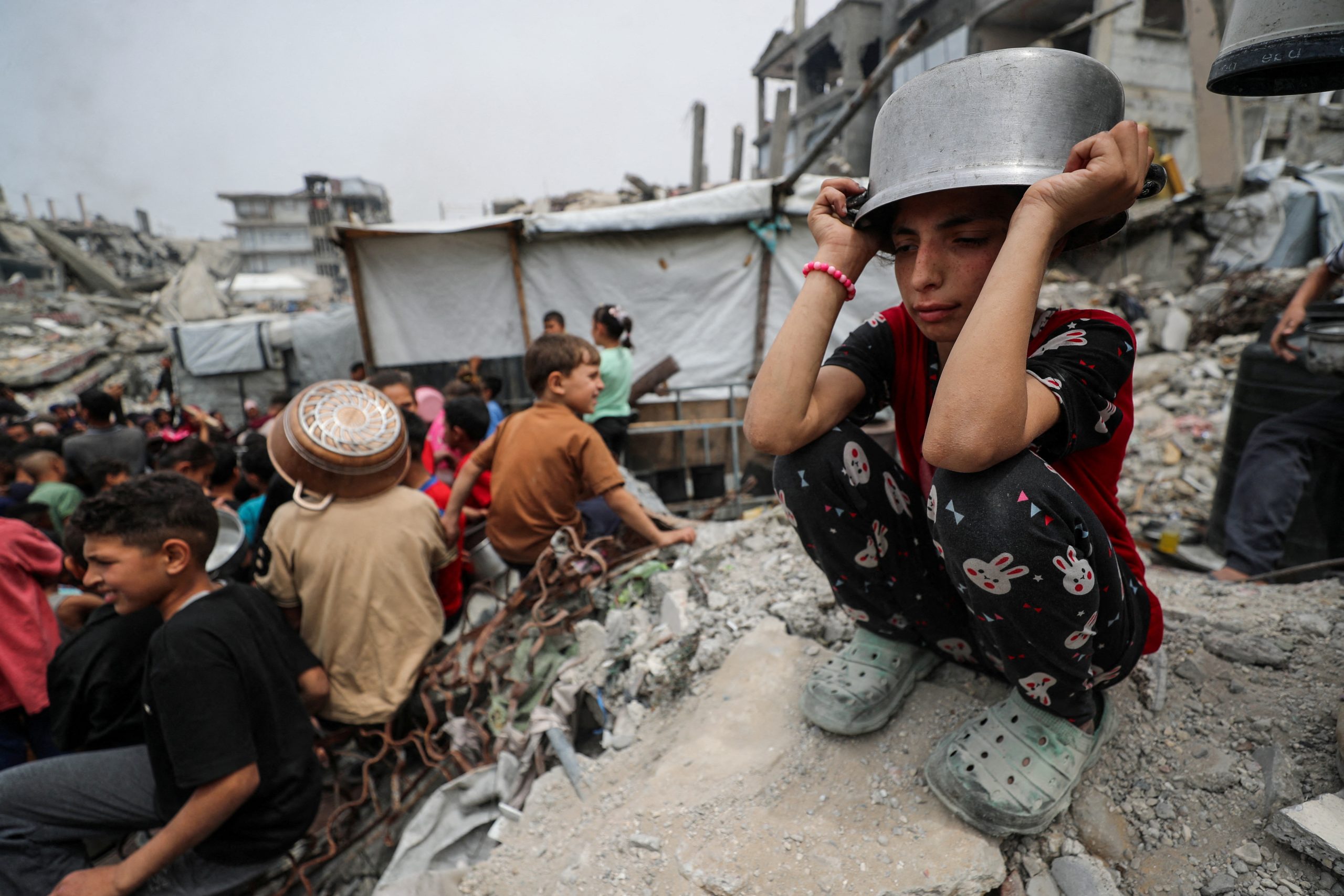
Urgent Funding Needed to Sustain Assistance
As winter approaches, humanitarian agencies face mounting pressure to maintain food supplies and other essential services for displaced and vulnerable Palestinians.
For families already living in damaged homes, temporary shelters and overcrowded camps, the prospect of receiving fewer meals and smaller food rations adds another layer of uncertainty to daily survival.
The WFP’s appeal for $450 million over the next six months underscores the scale of the financial challenge facing its Palestinian operations.
Without additional resources, the agency’s ability to provide consistent food assistance to millions of people could remain severely constrained, leaving many households increasingly dependent on reduced rations and limited community support.
For Gaza’s displaced families, the immediate concern is whether the food they receive will be enough to sustain them through the coming months, as hunger, unemployment and the absence of adequate shelter continue to shape everyday life.