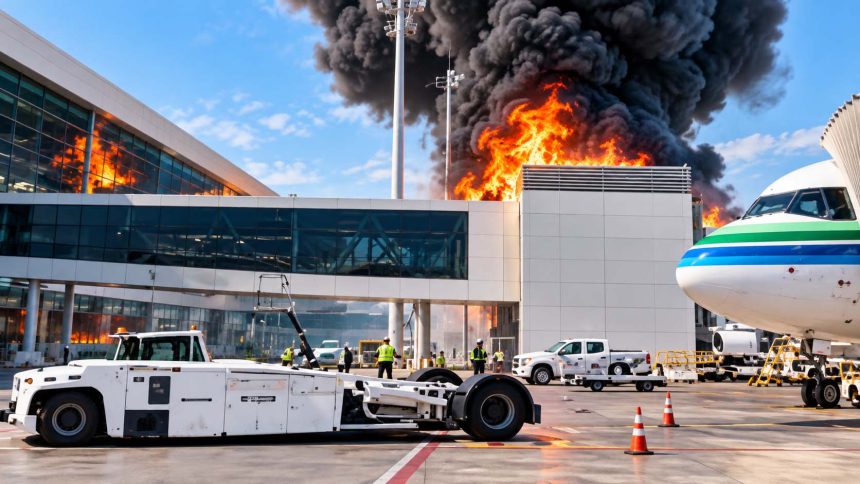
RIYADH, Saudi Arabia — Tensions in the Middle East have escalated following a fresh attack on King Khalid International Airport in Riyadh, which killed one person and injured 11 others on Sunday, October 11, according to Saudi Arabia’s civil aviation authority.
The latest attack came just a day after another strike on the airport killed at least 12 people and injured more than 300, prompting authorities to suspend airport operations amid growing security concerns. The two attacks have resulted in at least 13 deaths and more than 300 injuries, with additional casualties reported from earlier strikes during the week.
Saudi authorities identified the latest victim as a Pakistani resident, while the 11 injured people were taken to hospitals for medical treatment.
According to Saudi military officials, a projectile struck Passenger Hall No. 4 at the airport, triggering a fire. The Saudi-led military coalition also reported that air defence systems intercepted a missile near the airport as emergency and security personnel responded to the incident.
More Read

Houthis Claim Responsibility, Threaten More Attacks
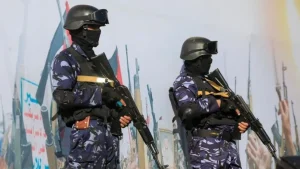
Yemen’s Houthi movement has claimed responsibility for the latest wave of attacks, announcing that it deployed ballistic missiles, cruise missiles and drones against targets across Saudi Arabia.
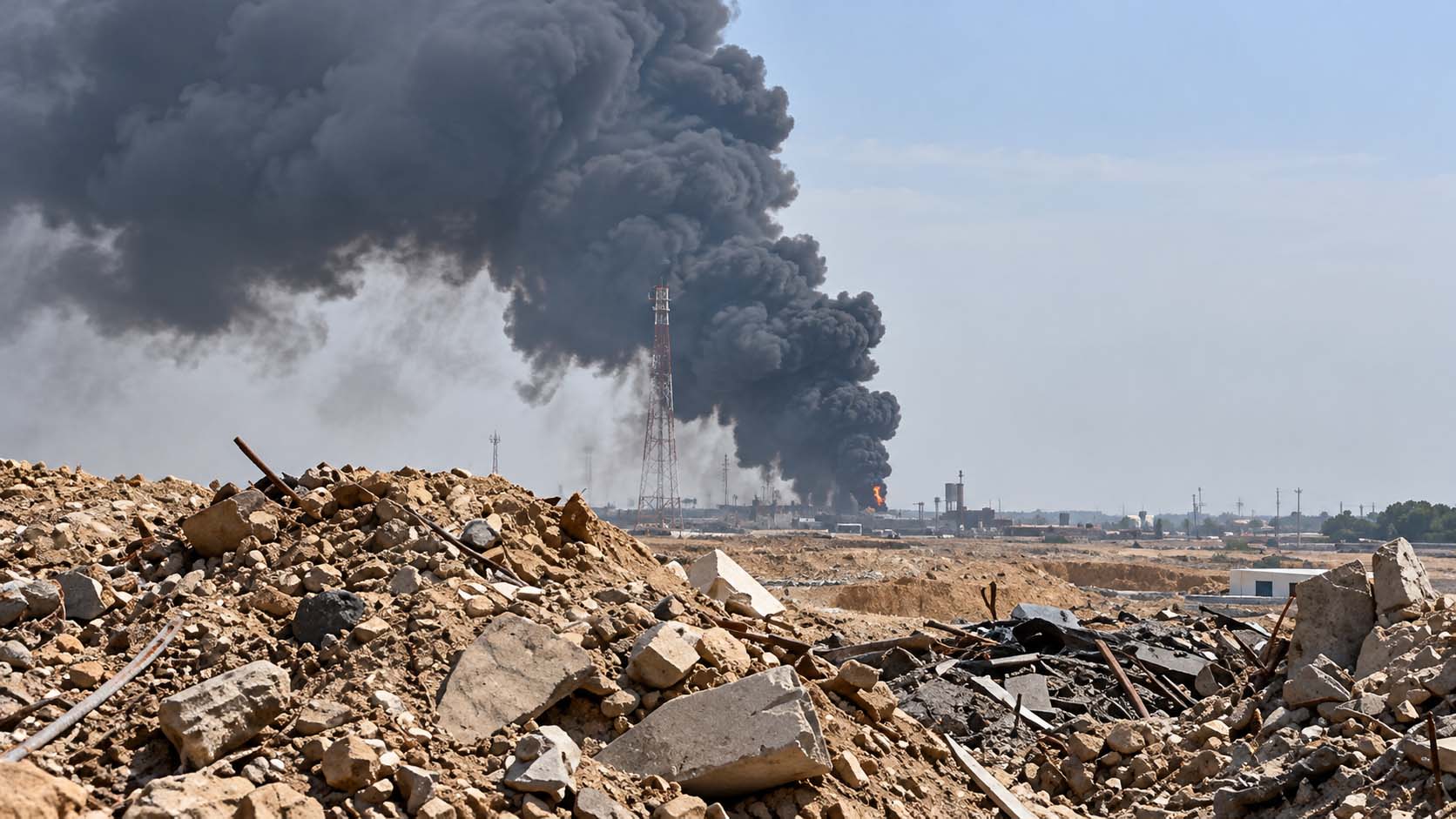
The group also claimed attacks on oil facilities and Dammam airport in eastern Saudi Arabia. Its military spokesperson, Brigadier General Yahya Saree, warned that further operations inside Saudi territory would continue.
The Houthis urged airlines and passengers to avoid Saudi airports and airspace, while warning that airports across the kingdom could become targets, with the exception of those serving the holy cities of Mecca and Medina.
More Read

The group said its actions were linked to Saudi Arabia’s support for government forces in Yemen’s protracted civil war and its military operations against Houthi-controlled areas.
Previous Attack Left Hundreds Injured
Saturday’s attack was among the deadliest reported in Saudi Arabia in more than a decade, raising fresh concerns about the security of the kingdom’s critical infrastructure and international transport network.
Saudi Arabia’s civil aviation authority said the victims included four Saudi nationals, two Bangladeshis and citizens of the United States, Jordan, Palestine, Syria, Sudan and Egypt.
India’s embassy in Saudi Arabia also confirmed that an Indian national died after succumbing to injuries sustained during Saturday’s attack. US Secretary of State Marco Rubio condemned the strikes and confirmed the death of an American citizen.
The repeated attacks have heightened concerns over the safety of passengers, airport workers and foreign nationals living and working in Saudi Arabia.
Saudi Arabia Considers Response as US Weighs Military Action
The Saudi-led military coalition has condemned the attacks and vowed a response, describing the previous strike as a violation of international humanitarian law.

The developments have also raised the possibility of greater international military involvement in the conflict.
US President Donald Trump said Washington would make a decision on whether to strike the Houthis and indicated that any decision could be implemented quickly.
Meanwhile, UK Defence Secretary Wes Streeting suggested that Britain could potentially provide additional support to Saudi Arabia as regional security concerns intensify.
The UK Foreign Office has advised against travel to certain parts of Saudi Arabia, including areas within 10 kilometres of the border with Yemen. Other Western governments have also issued security warnings to their nationals in the region.
Reports of Strikes in Yemen
The violence has also affected Yemen, where Houthi-run Al Masirah television reported that Saudi Arabia had carried out an air strike on Sanaa International Airport, the capital’s main airport.
The outlet also reported that a residential building in Sanaa was struck, killing a child and injuring six people.
However, Saudi Arabia had not confirmed the reported attacks at the time of the initial reports, and the claims could not be independently verified.
Abdullah Al-Alimi Bawazir, vice-president of Yemen’s internationally recognized government, called for decisive action from regional and international partners in response to the escalating violence.

Conflict Raises Fears of Wider Regional Crisis
The latest attacks come amid renewed fighting in Yemen following the collapse of a temporary ceasefire between the Houthis and Saudi-led forces in July.
Saudi Arabia has long supported Yemen’s internationally recognized government in its conflict with the Houthis, who control significant parts of the country, including the capital, Sanaa.
The renewed violence threatens to deepen an already complex regional conflict, with potential consequences for commercial aviation, oil infrastructure and international shipping routes.
The strategic importance of the Red Sea and surrounding waterways has added to concerns that further escalation could disrupt global trade and energy supplies.
In a separate diplomatic development, Iranian Foreign Minister Abbas Araghchi reportedly told his Saudi counterpart that Tehran was prepared to assist in facilitating dialogue between Saudi Arabia and Yemen, referring to the Houthi administration.
Whether diplomatic engagement can prevent further attacks remains uncertain as Saudi Arabia assesses the damage and considers its next steps.
For now, the repeated strikes on Riyadh’s international airport have intensified security concerns across the Gulf, with fears that further retaliation could widen the conflict and increase civilian casualties.