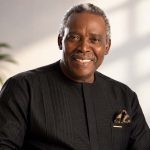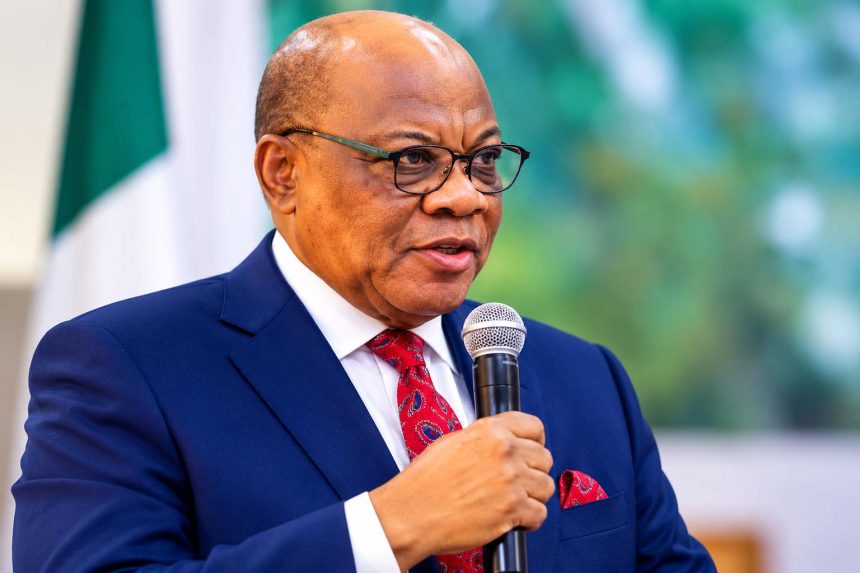
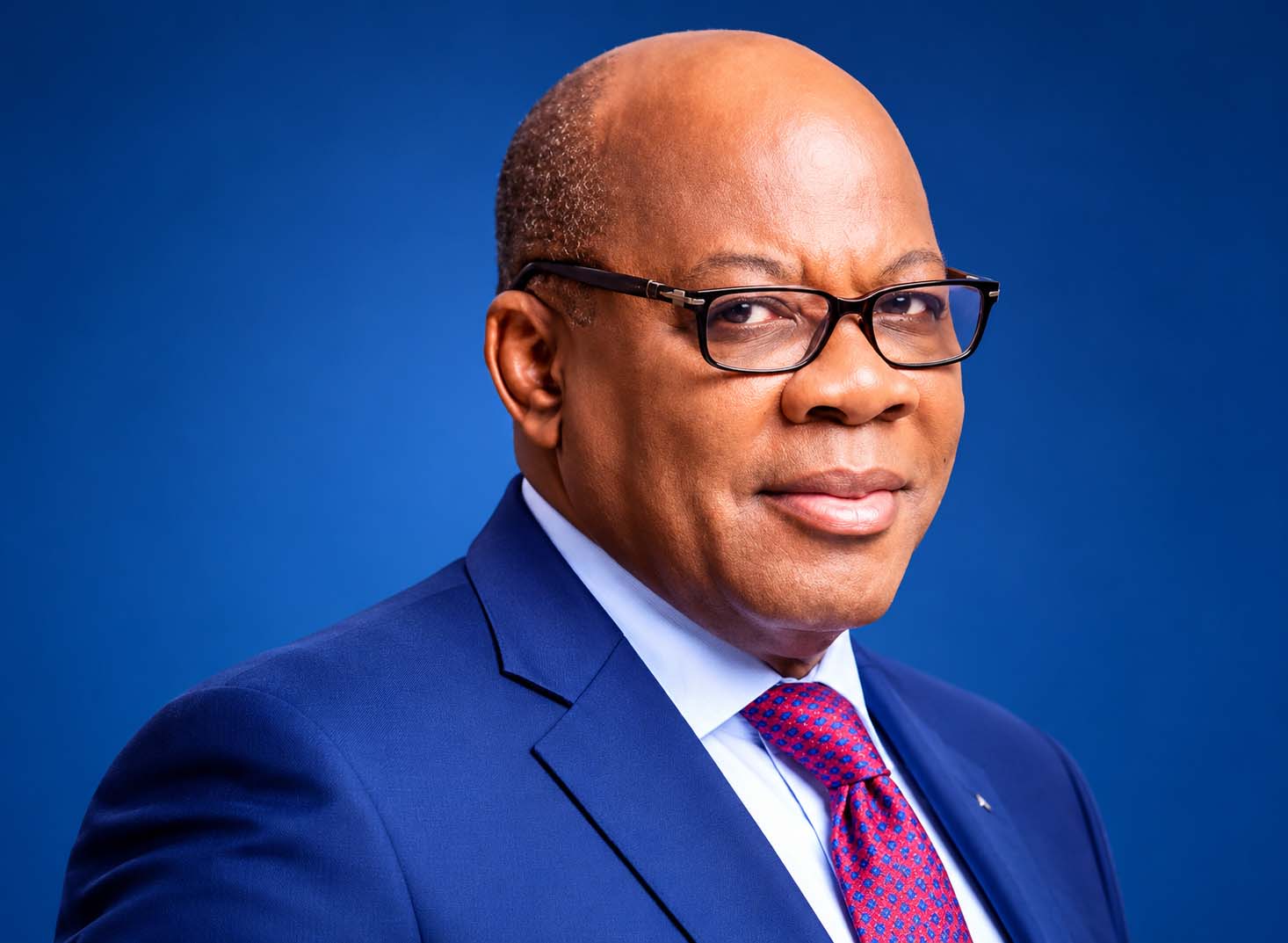
Former Nigerian Bar Association (NBA) President and Senior Advocate of Nigeria (SAN), Dr Olisa Agbakoba, has raised concerns over public confidence in Nigeria’s judiciary, citing perceived interference, conflicting court judgments, judicial appointments, funding challenges and executive influence.
Agbakoba, who spoke while assessing the Nigerian judiciary 66 years after independence, said there was a widespread public perception that the performance of the judicial system had declined, particularly in cases involving elections and political disputes.
According to him, the judiciary should be careful not to assume the role of determining political office holders, arguing that the responsibility of choosing presidents, governors, senators and other elected officials belongs to the electorate.
He said the increasing tendency for political disputes to end up before the courts had created a situation where the judiciary was increasingly perceived as an electoral arbiter.
“The judiciary should resist the invitation to be lured into becoming an electoral umpire. That is not its function,” Agbakoba said.
More Read
He, however, acknowledged that Nigeria still has “many fine judges” and distinguished judicial officers, stressing that the challenge was to restore public confidence in the institution.
Conflicting judgments raise concerns
Agbakoba identified conflicting court decisions as one of the major issues affecting confidence in the judiciary.
More Read

He said there was a public perception that some judges might be influenced by considerations outside their judicial responsibilities, although he stressed that he could not independently establish whether such influence existed.
He also pointed to concerns about competence, arguing that judicial appointments must place greater emphasis on professional ability and knowledge of the law.
The former NBA president said judges must possess a strong understanding of fundamental legal principles, including the rules of evidence and substantive law, because weaknesses in those areas could result in poor-quality judgments.
Calls for transparent judicial appointments
Agbakoba called for greater transparency in the appointment of judges and justices.
He recalled his experience serving on the National Judicial Council (NJC), saying criteria had been established for judicial appointments but, in his view, were not being consistently followed.
He proposed that candidates for judicial appointments should be subjected to greater public scrutiny before their appointment.
More Read
Under his proposal, names of candidates could be publicly announced, allowing members of the public and the legal profession to raise legitimate objections before appointments are finalized.
He argued that such a process would provide an additional layer of scrutiny and help ensure that only qualified candidates are appointed to the bench.
NJC needs structural reform, says Agbakoba
Agbakoba also criticized the structure and functioning of the NJC, arguing that the body should play a stronger role in developing judicial policy and improving the administration of justice.
He recalled the reforms initiated under the late former Chief Justice of Nigeria, Justice Dahiru Musdapher, who established a 29-member panel to examine structural issues affecting the judiciary.
According to Agbakoba, many of the initiatives introduced during Musdapher’s tenure were not sustained after his retirement.
He also expressed concern that the NJC does not have a sufficiently developed permanent administrative structure capable of driving long-term judicial policy.
Speedy justice should go beyond political cases
The former NBA president questioned why accelerated judicial timelines appear particularly prominent in political cases while other categories of cases can remain in court for years.
He cited commercial disputes and criminal cases involving people who have spent decades on death row as examples of the wider challenges confronting justice delivery.
Agbakoba argued that the judiciary must develop mechanisms to ensure that cases are determined within reasonable periods, regardless of whether they involve politicians.
He also called for a technological transformation of the court system, questioning why some judges continue to rely heavily on handwritten records in an era of digital technology.
According to him, the architecture of Nigeria’s legal system requires significant modernization.
Agbakoba challenges handling of religion and the Constitution
The former NBA president also addressed the relationship between religion and the Nigerian state, particularly the operation of Sharia law within the country’s constitutional framework.
He referred to the legal challenge mounted when Zamfara State introduced Sharia-based legal provisions, saying his team had argued that the development conflicted with the constitutional principle separating religion from the state.
Agbakoba maintained that Nigeria’s constitutional framework requires the state to maintain neutrality in religious matters.
He also criticised government sponsorship of religious pilgrimages, arguing that public authorities should not be responsible for funding such activities.
Judiciary must control its own funding
A major part of Agbakoba’s criticism centred on judicial funding and what he described as the danger of executive influence over the courts.
He said the Constitution provides a framework intended to guarantee financial autonomy for the judiciary, but argued that the mechanism has not been effectively implemented.
Agbakoba recalled taking legal action over the issue and said he won three cases establishing the principle that the judiciary should not depend on the executive for its funding.
He expressed concern that executive-controlled funding could create perceptions of dependence.
He specifically questioned the practice of executive officials providing housing and other infrastructure for judges, arguing that such arrangements could affect public confidence in judicial independence.
“If a judge has collected a house from the executive, the public perception becomes: ‘Can this man really do justice in my case?’” he said.
Quality of judges remains his priority
Asked what reforms he would prioritise, Agbakoba placed the competence and integrity of individual judges at the centre of his recommendations.
He said judicial candidates should be properly assessed and subjected to public scrutiny before appointment.
For him, a judge must be able to discharge judicial duties without fear or favour and should not be influenced by concerns about personal benefits or possible consequences from the executive.
He also called for stronger constitutional protection for judicial tenure.
Agbakoba referred to the removal of former Chief Justice of Nigeria, Justice Walter Onnoghen, as an example of the concerns surrounding judicial independence. He said he had defended Onnoghen during proceedings before the NJC.
Agbakoba seeks greater autonomy for NBA
Beyond the judiciary, Agbakoba called for greater independence for the Nigerian Bar Association.
He argued that the NBA remains constrained by government bureaucracy and does not possess the level of professional self-regulation he believes it should have.
He compared the situation with professional regulation in the United Kingdom, where the professional body has significant authority over disciplinary matters involving lawyers.
Agbakoba proposed that the Nigerian legal profession should have greater control over its examination standards, curriculum, disciplinary procedures and professional recognition.
He said misconduct involving lawyers should also be capable of being addressed more directly at the level of local NBA branches.
Rebuilding public confidence
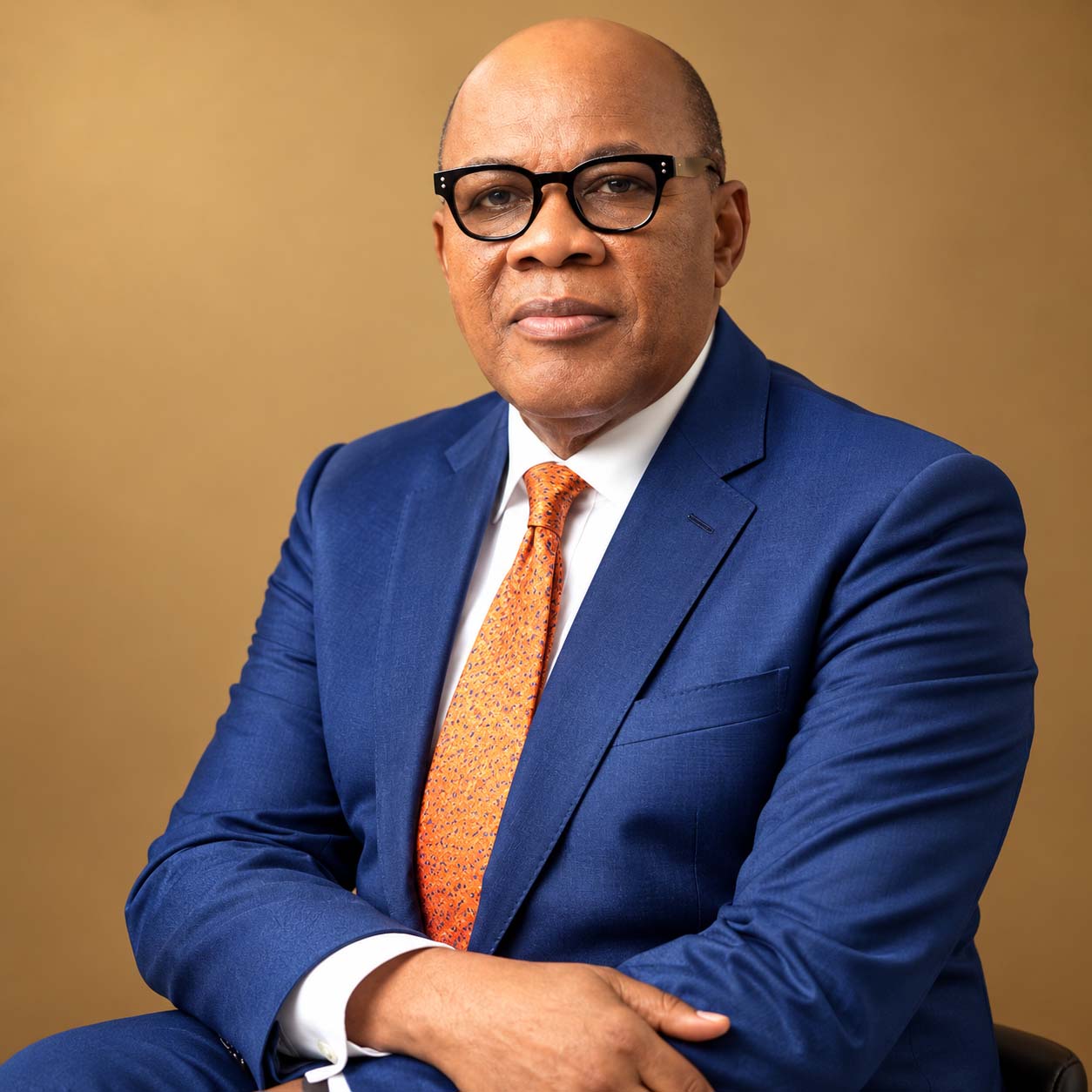
Ultimately, Agbakoba’s assessment centred on the need to rebuild public confidence in Nigeria’s justice system.
He identified competent judicial appointments, transparent selection processes, judicial financial autonomy, improved case management, technological modernization, stronger judicial policy and greater professional independence for the legal profession as key areas requiring attention.
While acknowledging the presence of distinguished judges on the Nigerian bench, he argued that institutional reforms are necessary to address the concerns being expressed by members of the public.
The former NBA president said the words “without fear or favour” should remain central to judicial service, insisting that judges must have the institutional protection and professional independence required to make decisions according to the law.
His comments come amid continuing public debate over judicial independence, conflicting judgments, delays in court proceedings and the broader effectiveness of Nigeria’s justice system.