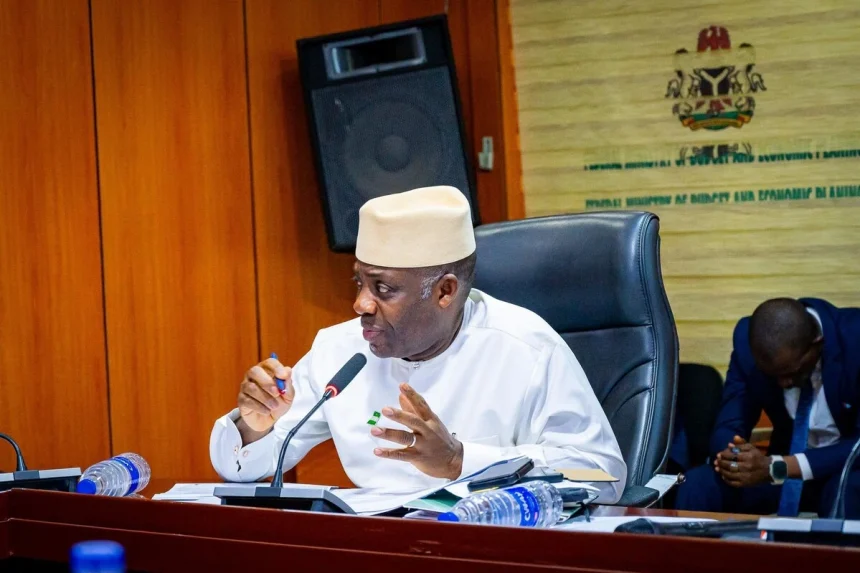
ABUJA — Nigeria’s Federal Government Colleges, popularly known as Unity Schools, have largely lost the national integration purpose for which they were established, Minister of Education, Dr Tunji Alausa, has said.
Alausa attributed the development to growing insecurity, regional concentration of students, deteriorating infrastructure, indiscipline, weak school management and other changing realities in the country.
The Minister made the disclosure while speaking with journalists in Abuja, where he expressed concern that the demographic composition of some Federal Government Colleges no longer reflects the national character envisioned when the schools were established.
According to him, the original philosophy behind the Unity Schools was to bring Nigerian children from different ethnic, cultural and geographical backgrounds together, allowing them to live, learn and grow as one.
However, he said insecurity and other social changes have made parents increasingly reluctant to send their children to schools located far from their home regions.
More Read

“The idea of unity school is gone,” Alausa said.
He recalled a period when parents could confidently send their children from one part of Nigeria to another without fear.
“You could live in Lagos, but you send your son or daughter to Sokoto without fear. I will send my son or daughter to Ife. Today, you can’t boldly or confidently consider that decision because of several reasons beyond our control. You will surely be worried,” he said.

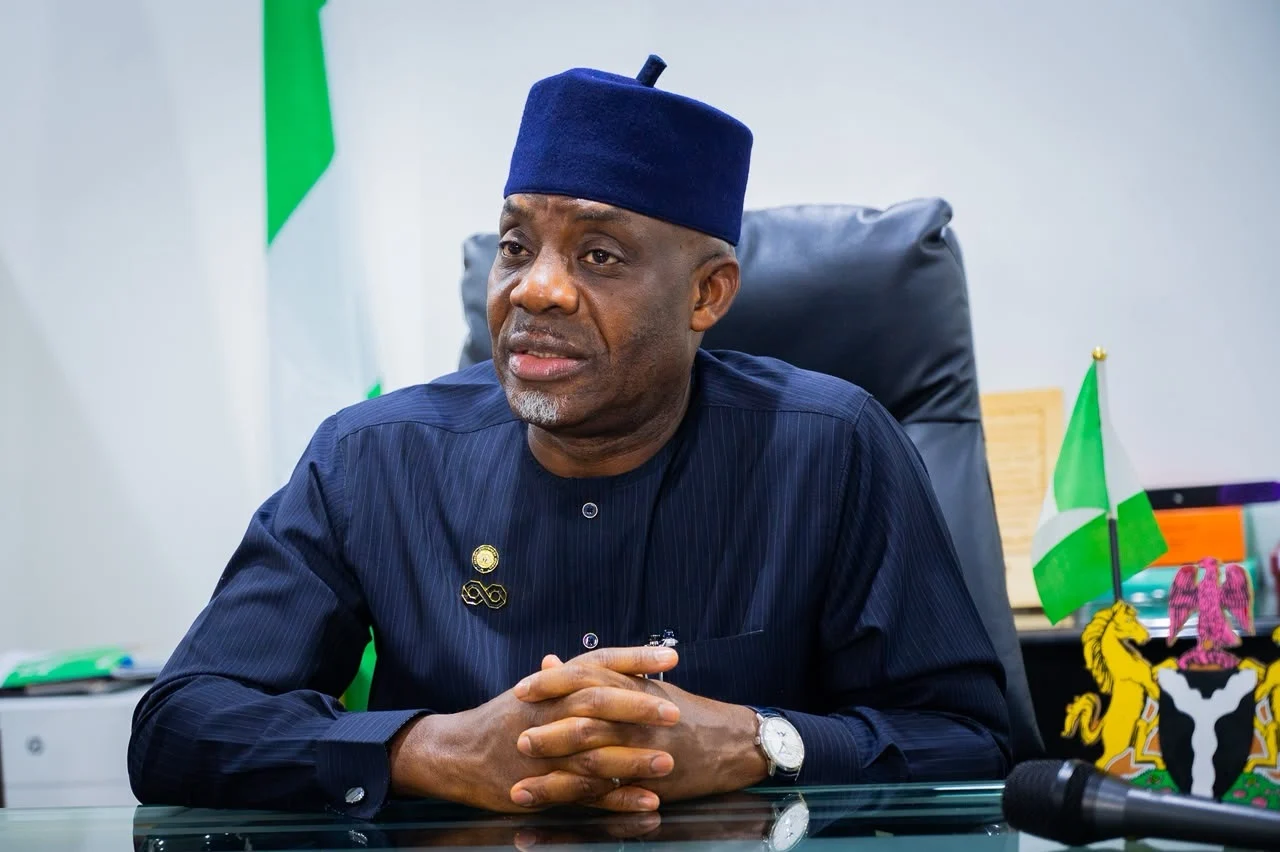
Regional Concentration Threatens Unity School Philosophy
The Minister said the increasing concentration of students from particular regions in some Federal Government Colleges was a major concern because it undermines the very essence of the institutions.
He specifically cited King’s College, Lagos, saying government records indicated that more than 60 per cent of its students were from one geographical area.
For Alausa, such a situation defeats the objective of creating schools where young Nigerians from different parts of the country can interact, build friendships and develop a shared sense of national identity.
He said the Federal Government would need to reconsider the admission system, management structure and overall relevance of the institutions if they are to regain their original national character.
Minister Describes King’s College Condition as “Total Degeneration”
Alausa also expressed deep concern over the physical condition of some Federal Government schools, recounting his experience during an inspection of King’s College, Lagos.
More Read

He described what he saw at the institution as “total degeneration”, saying the poor condition extended to hostels, bathrooms, dormitories, cafeterias, classrooms and laboratories.
“I went to King’s College to visit about one year, eight months ago. I was weeping because of the total degeneration that I saw there,” he said.
According to the Minister, the condition of some hostels and bathrooms was particularly disturbing, while the dormitories and cafeteria were also in a deplorable state.
He said some classrooms were in poor condition, with refuse allegedly littering parts of the school environment.
Alausa also raised concerns about the condition of the school’s laboratory, recalling that it was inadequately lit during his visit.
“I went to the lab at about 10 a.m. It was dark. I asked the teacher, how can kids learn in this environment?” he said.
The Minister stressed that such conditions were unacceptable in institutions expected to prepare young Nigerians for leadership and responsible citizenship.
Concerns Over Truancy, Indiscipline and Suspected Drug Use
Beyond infrastructure, Alausa said the crisis facing some public schools also involved student welfare, discipline and school administration.
He recalled encountering some students during his inspection who appeared unusually drowsy despite the fact that it was morning.
According to him, the situation raised concerns about possible drug use and the general welfare of the students.
He also cited truancy and weak disciplinary structures as challenges that must be addressed alongside infrastructure development.
The Minister maintained that rehabilitating classrooms and hostels alone would not solve the problems confronting the schools.
He said teacher welfare, student discipline, effective school management and a conducive learning environment must all be treated as part of the solution.
Teacher Reportedly Earns N60,000 After 27 Years
Alausa also highlighted concerns about the welfare of teachers working in some public schools.
He recalled meeting a woman who, according to him, had worked as a Parent-Teacher Association teacher for 27 years but was earning only N60,000 monthly.
The Minister said situations like this illustrated the wider challenges affecting the quality and sustainability of education in the public-school system.
He also alleged that admission racketeering had become a problem in some public schools, with admission slots allegedly being sold for millions of naira or awarded to the highest bidders.
However, the Minister did not provide documentary evidence during the briefing to substantiate the allegation.
School Compounds Allegedly Turned Into Car Parks
Another issue highlighted by Alausa was the alleged misuse of school premises.
The Minister recalled visiting a junior secondary school where he reportedly found about 200 vehicles parked within part of the school compound, with additional vehicles parked close to the entrance.
He questioned the wisdom of allowing unrestricted public access to a school attended mainly by children around 13 or 14 years old.
“I said, do you realize what you just done? The arrangement created unnecessary security risks for students,” he said.
Alausa said he ordered that the car-parking arrangement be stopped, describing the incident as an example of how poor oversight could compromise the safety and integrity of public schools.
N1 Trillion Not Enough to Fix All Unity Schools
The Minister said inadequate funding remained one of the biggest obstacles to the rehabilitation of Federal Government Colleges across the country.
According to him, even N1 trillion would not be sufficient to comprehensively address the infrastructure challenges facing all Unity Schools.
“If I have N1 trillion today, it will not be enough to fix our unity schools. Even in my widest imagination, there’s no way I will get that money,” he said.
He said the Federal Government was therefore relying on available interventions and development financing to gradually address some of the challenges.
Alausa estimated that rehabilitating Unity Schools in Lagos alone could cost about N24 billion, while repairs across the South-West could require nearly N40 billion.
He also warned that the continued neglect of public education infrastructure was contributing to the growing attractiveness of private schools.
“Private education system is gaining more. They are getting more students. But government has not invested in this infrastructure for decades,” he said.
King’s College Old Boys Offer to Revive School
Amid the challenges, the Minister said old students of King’s College had offered to invest in the rehabilitation and improvement of the institution.
According to him, the alumni are not seeking to take ownership of the school or turn it into a commercial venture.
Rather, he said, they want to provide financial and human capital support, improve infrastructure, strengthen teaching standards and potentially improve teacher welfare.
“They want to manage the school, make some financial and human capital investments. These are accomplished people in their different fields. It’s not for profit, no increase in fee,” Alausa said.
He added that the proposal had faced opposition from some labour unions and the school’s Parent-Teacher Association, who had reportedly mobilized against the initiative.
The Minister insisted that the proposed intervention should not be interpreted as privatization, arguing that government could not allow schools to continue deteriorating simply because it lacked the resources to undertake comprehensive rehabilitation.

“Status Quo Is Not the Solution”
Alausa said the challenges facing Unity Schools required more than the renovation of buildings.
He argued that government must rethink how the institutions are managed while restoring the national character and integration mandate for which they were created.
The Minister compared the situation with institutions such as Eton College in England, which he said play a significant role in developing future leaders.
“Go to Eton College in England, they are training a pipeline of leaders. We can’t just wait, wait the way we stand as a country,” he said.
He recalled that his generation benefited from public schools where students from different parts of Nigeria lived and learned together, creating memories and relationships that crossed ethnic and geographical boundaries.
“We had good memories. Today we can’t say that of the kids that are going to public school today, and we expect them to be good leaders,” he said.
For the Minister, restoring Nigeria’s Unity Schools will require a combination of improved infrastructure, stronger management, better teacher welfare, enhanced discipline and renewed efforts to ensure that students from across the country have the opportunity to learn and grow together.
“Status quo is not the solution. If we continue to do the same thing and expect to get the same result, it will never happen,” Alausa said.
The Minister’s assessment places the future of Nigeria’s Unity Schools at a critical crossroads — not only because of the physical deterioration of some institutions, but also because of the growing challenge of preserving the national integration ideals upon which the schools were founded.