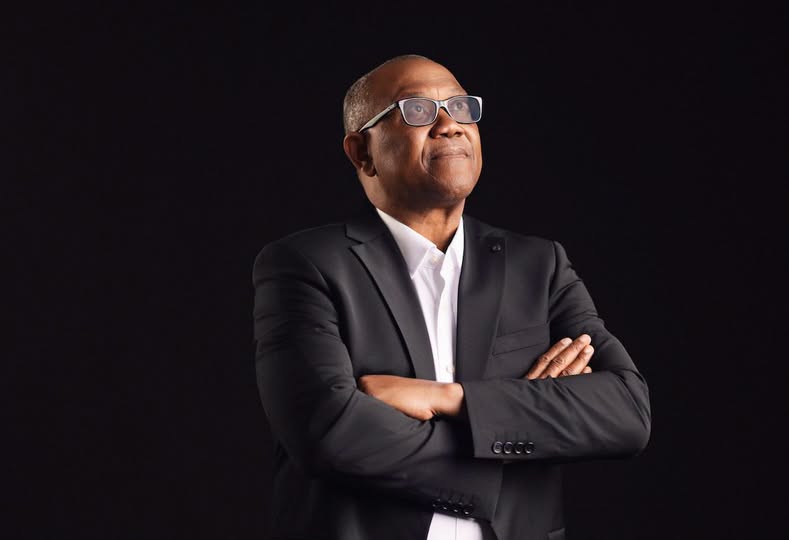
Former Anambra State Governor Peter Obi has denied borrowing money or issuing bonds on behalf of the state during his eight-year tenure, dismissing allegations that his administration left behind loans and other financial liabilities.
Speaking on Arise Television’s Prime Time on Thursday, Obi responded to claims by the Anambra State Government that loans contracted during his administration remain outstanding and are still being serviced by successive governments.
Obi, who is the presidential candidate of the Nigeria Democratic Congress (NDC), said he left office in March 2014 without outstanding obligations for salaries, pensions, gratuities or payments to contractors whose completed projects had been certified and verified.
Obi Explains World Bank-Backed Development Funding.
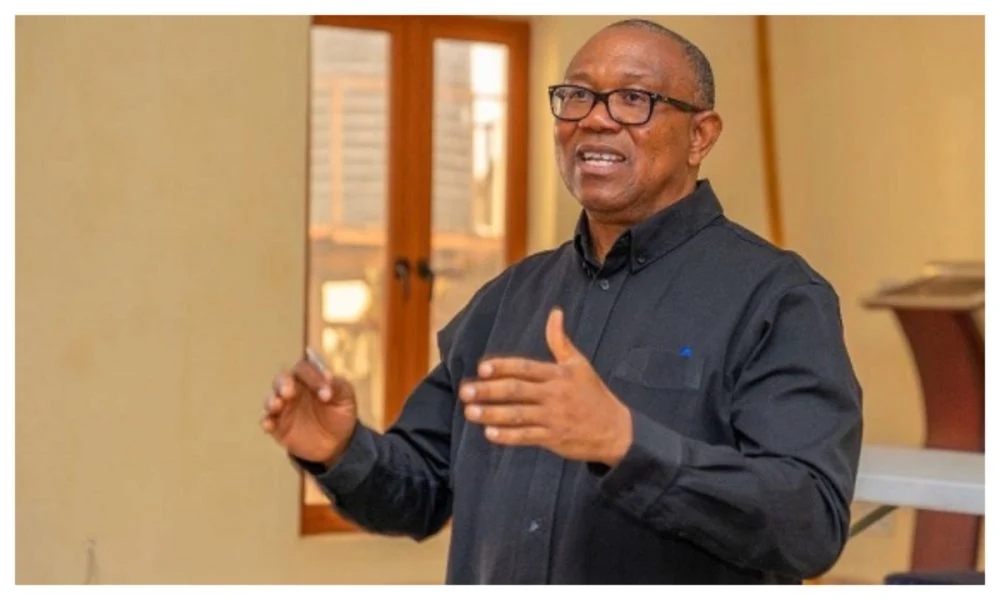
The former governor maintained that he did not approach commercial banks or financial institutions to obtain loans for Anambra State during his tenure.
He explained that some of the funding being attributed to his administration came through concessionary facilities arranged by the Federal Government for specific development programmes.
Obi cited the State Education Programme Investment Project (SEPIP), under which Anambra, Ekiti and Bauchi were reportedly selected to receive concessionary multilateral support in recognition of their performance in education.
When asked whether the funding came through a Federal Government arrangement, Obi confirmed that the World Bank was involved.
He argued that the funds were not commercial loans independently negotiated by his administration and said the actual drawdown under SEPIP took place after he had left office.
Dispute Over Outstanding State Loans
The Anambra State Government has maintained that loans contracted during Obi’s administration remain financial liabilities of the state, which successive governments are obligated to repay.
Obi, however, challenged the treatment of undrawn funds under loan facilities as debts incurred by his administration.
He argued that a loan facility that was not accessed or spent during his tenure should not be counted as debt left behind by his government.
“Even if I had gone to a bank and borrowed money — even if I had gone to a bank and borrowed money, but I did not spend the money, you cannot call it debt I left,” he said.
Obi Cites Former Debt Management Office Chief
To support his position, Obi referred to former Director-General of the Debt Management Office, Abraham Nwankwo, whom he said publicly acknowledged his administration’s borrowing record during a send-off ceremony.
According to Obi, Nwankwo stated at the event that he was the only governor who did not visit his office to seek approval to borrow money.
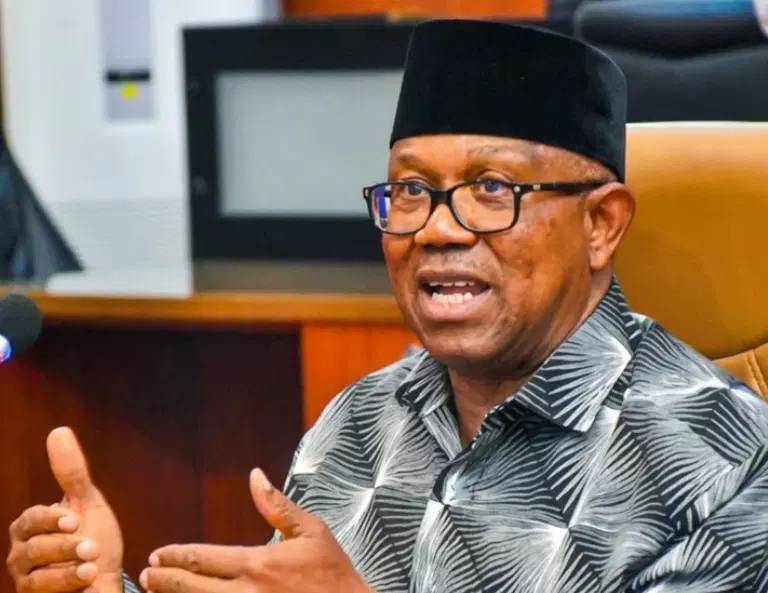
The former governor insisted that his administration’s financial record could be independently examined through official records, including the handover report prepared when he left office.
The dispute centres on the distinction between loan facilities approved or made available to a state and funds actually drawn down, as well as the responsibility for servicing any resulting liabilities.
Obi maintained that the relevant government documents would establish his administration’s position, while the Anambra State Government continues to assert that outstanding loans from the period remain obligations of the state.