Petrol Marketers Order Pump Checks Nationwide as Regulator Intensifies Enforcement Against Outlets Short-Changing Motorists
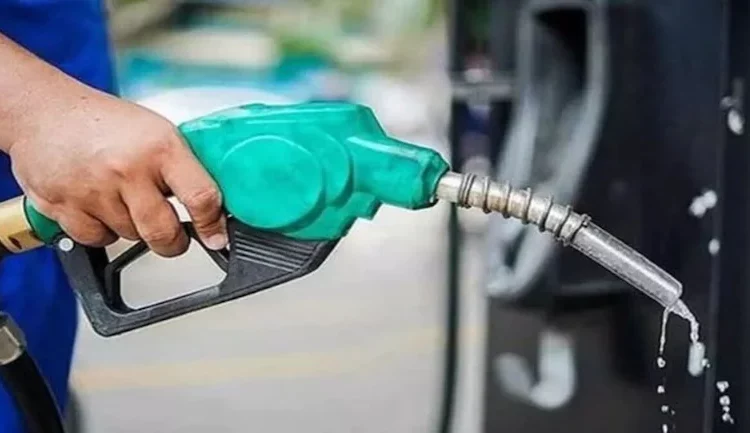
Filling stations across Nigeria have been directed to immediately inspect, calibrate and verify their fuel dispensing equipment following a renewed crackdown by the Nigerian Midstream and Downstream Petroleum Regulatory Authority (NMDPRA) on outlets accused of under-dispensing petrol to motorists.
The directive comes amid intensified regulatory enforcement against filling stations found to be delivering less fuel than the quantity paid for by customers, with the authority warning that persistent or serious offenders risk losing their operating licences.
In an industry notice issued on Tuesday, the NMDPRA instructed all retail outlet operators to ensure that their dispensers and totalisers are properly calibrated and verified to guarantee accurate measurement of petroleum products.
The regulator said it had observed incidents of under-dispensing at retail outlets nationwide, describing the practice as a serious breach of consumer trust.
It warned that stations found operating improperly calibrated equipment or compromising dispensing accuracy would be required to take immediate corrective action, while persistent or serious violations could attract sanctions, including the revocation of operating licences.
The latest directive has prompted petroleum marketers’ associations to mobilise their members nationwide, urging them to inspect their pumps and ensure that motorists receive the full quantity of fuel for which they pay.
According to reports, about 20 filling stations were sealed by the regulator between 2025 and 2026 over alleged under-dispensing and other related offences.

IPMAN Alerts Members, Vows to Protect Customers
Reacting to the directive, the Publicity Secretary of the Independent Petroleum Marketers Association of Nigeria (IPMAN), Chinedu Ukadike, said the association had circulated the NMDPRA notice to its members across the country and was taking steps to discourage sharp practices at filling stations.
Ukadike noted that the deregulated downstream petroleum sector had created a highly competitive market in which product quality, price and quantity were critical to attracting and retaining customers.
He said independent marketers were committed to maintaining their reputations and would not deliberately engage in practices that could undermine consumer confidence.
“We are in a very competitive environment. What drives the market is: one, quality of the product; two, price of the product; three, quantity of the product,” he said.
According to him, marketers are aware that customers have choices in the deregulated market and must therefore ensure that their businesses deliver value for money.
However, Ukadike acknowledged that misconduct by individual pump attendants could not be completely ruled out, adding that the association was working to reorient its members and their employees on the need for honesty and professionalism.
“Sometimes you cannot rule out some sharp practices from some of our pump attendants, which is why we are trying to go nationwide now, to see how we can reorientate them, to be steadfast and truthful to customers,” he said.
He stressed that IPMAN would not tolerate deliberate attempts to cheat customers and that marketers had a responsibility to ensure their dispensing equipment remained accurate.
Ukadike also said the association was determined to strengthen its brand through competitive pricing, quality products and improved service delivery.
An IPMAN major dealer, who spoke on condition of anonymity because he was not authorised to comment publicly, said the association had identified lapses involving some pump attendants and would intensify its orientation programmes to address the problem.
He explained that while independent marketers had no interest in short-changing customers, the actions of individual employees could create problems that required closer supervision and training.
PETROAN Orders Nationwide Inspection of Fuel Pumps
The Petroleum Products Retail Outlets Association of Nigeria (PETROAN) has also directed its members to inspect their dispensing equipment following the NMDPRA’s warning.
Speaking on Channels Television’s The Morning Brief on Wednesday, PETROAN National President, Billy Gillis-Harry, disclosed that the association convened an emergency meeting of its National Executive Council on Tuesday after receiving the regulator’s notice.
He said the meeting lasted until about 10pm, after which members were instructed to check their dispensing meters and address any identified faults.
Gillis-Harry explained that fuel dispensing equipment could develop mechanical faults over time as a result of prolonged use, potentially causing either under-dispensing or over-dispensing.
“Equipment can be faulty over time because of usage,” he said.
He assured motorists that PETROAN members would ensure that customers received the exact quantity of fuel for which they paid.
“But I can tell you that PETROAN members will, at all times, insist on making sure that they sell their products one litre for one litre,” he stated.
The association’s president also advised motorists to pay close attention to the quantity displayed on fuel dispensers during transactions and request receipts after purchasing petrol.
He urged consumers to familiarise themselves with their vehicles’ fuel tank capacities and compare them with the quantities shown on dispensing meters.
Gillis-Harry added that PETROAN worked with the Weights and Measures Division of the Ministry of Industry, Trade and Investment and the NMDPRA to ensure that fuel dispensing meters remained functional, properly maintained and accurate.
He said the association had already commenced engagement with its members to ensure compliance with the regulator’s latest directive.
NMDPRA Seals Filling Stations Over Under-Dispensing
The latest directive follows a series of enforcement operations by the NMDPRA targeting filling stations accused of short-measuring customers.
In February, the regulator sealed 11 petrol stations in Rivers State over alleged under-dispensing, faulty pumps and other regulatory infractions.
The enforcement exercise, conducted in Obio-Akpor and Port Harcourt City Local Government Areas, was carried out under the authority’s “Operation One Litre for One Litre” surveillance initiative.
The NMDPRA said the affected stations would remain closed until the integrity of their dispensing equipment was confirmed.
The regulator’s South-South Coordinator, Victor Owodiasa, warned that persistent offenders could have their operating licences revoked.
He also acknowledged that under-dispensing could sometimes result from mechanical faults but insisted that filling station operators were responsible for regularly checking their equipment instead of waiting for regulatory inspections to expose problems.
In July, the NMDPRA’s Abeokuta Field Office also sealed two filling stations in the Akute/Ajuwon area of Ifo Local Government Area of Ogun State over alleged under-dispensing and other sharp practices.
One of the affected stations was reportedly found to have repeatedly violated regulatory requirements, including allegedly removing official seals placed on its premises and resuming operations without authorisation.
The authority disclosed that the station had been sealed at least six times since 2025 and warned that further violations could result in additional penalties, licence suspension and criminal prosecution where applicable.
Earlier, in October 2025, the NMDPRA’s Eket Field Office sealed five filling stations in Akwa Ibom State over various infractions, including alleged under-dispensing, product diversion and operating without a licence.
The crackdown has also affected major oil marketers. In August 2025, NNPC Retail sanctioned employees at its Ikorodu station in Lagos after an investigation confirmed an incident involving a pump attendant who allegedly attempted to short-change a customer.
The company said the attendant was disengaged, the station manager suspended, and a formal warning issued to the dealer.
Regulator Directs Industry Associations to Enforce Compliance
As part of its latest intervention, the NMDPRA has directed major petroleum industry associations, including IPMAN, PETROAN, the Major Energy Marketers Association of Nigeria (MEMAN) and the Depot and Petroleum Products Marketers Association of Nigeria (DAPPMAN), to notify their members and support full compliance with the directive.
The authority said its intensified inspections were aimed at protecting consumers, promoting transparency and ensuring that motorists received the precise quantities of petroleum products for which they paid.
It urged the associations to take the directive seriously and ensure that their members promptly address any faults or irregularities discovered during inspections.
The regulator said its commitment to consumer protection included maintaining the integrity of petroleum transactions nationwide and preventing practices that could undermine public confidence in the downstream sector.
Consumers Urged to Monitor Fuel Dispensing
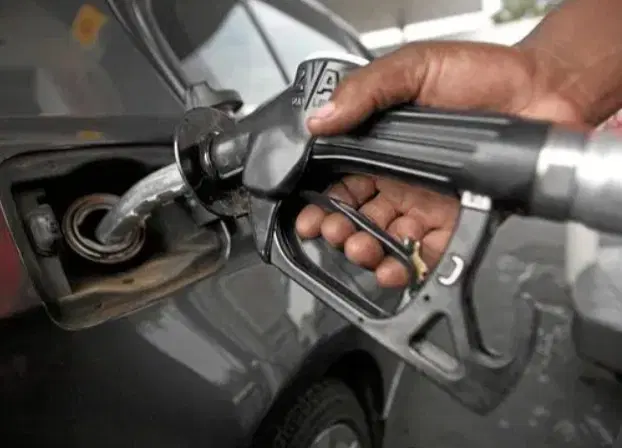
Under-dispensing occurs when a filling station delivers less fuel than the quantity displayed on its pump or paid for by a customer. This means motorists could end up paying for petrol they do not actually receive.
The problem can arise from faulty or improperly calibrated equipment, although deliberate manipulation of dispensing systems and misconduct by pump attendants have also been identified as potential concerns.
With petrol prices now largely determined by market conditions following the removal of the Federal Government’s fuel subsidy, accurate dispensing has become an important consumer protection issue.
Motorists are therefore being encouraged to remain vigilant whenever they purchase fuel by checking the pump display before and during dispensing, confirming the quantity delivered and requesting receipts for their transactions.
The NMDPRA’s latest directive places greater responsibility on filling station operators to ensure their equipment is properly calibrated and regularly maintained. Outlets that fail to comply with the requirements could face further enforcement action, including licence revocation.