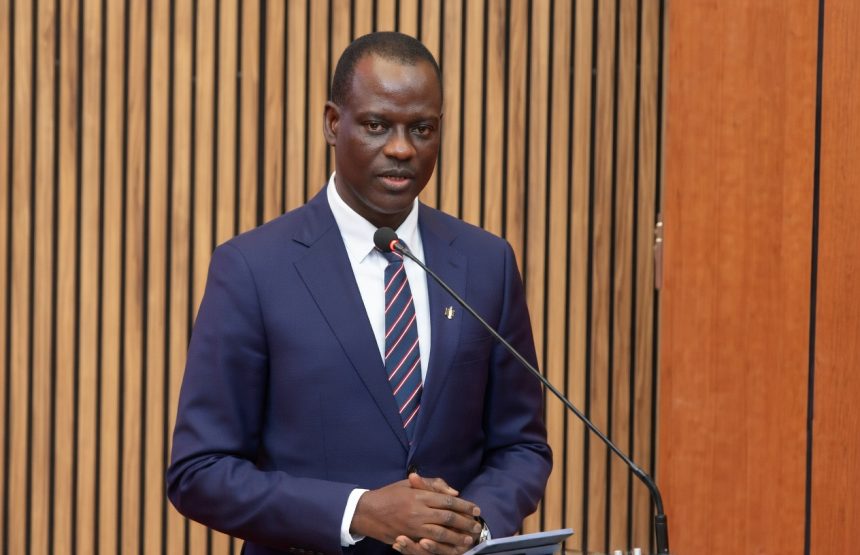
Nigeria’s Minister of Finance and Coordinating Minister of the Economy, Taiwo Oyedele, has called for a major overhaul of the global financing framework to make affordable, long-term capital more accessible to African countries, particularly for infrastructure and energy development.
Speaking at the United Nations Dialogue on Solutions to Climate Finance, held on the sidelines of the 81st Session of the United Nations General Assembly in New York, Oyedele said high borrowing costs, currency risks and limited access to long-term funding continue to constrain Africa’s economic development ambitions.
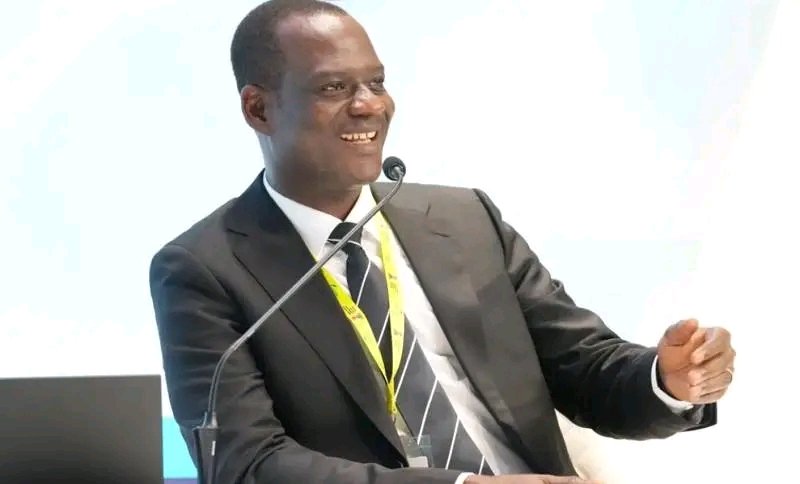
According to a statement issued by the Ministry of Finance’s Head of Information and Public Relations, Efe Ovuakporie, the minister said Africa’s financing challenges were particularly severe in the energy sector, where substantial investment is needed to close the continent’s energy-access gap.
Oyedele argued that despite Africa’s relatively low contribution to global carbon emissions, the continent continues to face what he described as a “prejudice premium” and “narrative cost” when seeking funds for critical infrastructure projects.
He also identified currency risks and what he called a “stereotype tax” as additional financial burdens that increase the cost of mobilizing capital for African countries.
The minister called for a strategic rethink of climate finance, urging international partners to develop funding arrangements that reflect the economic and development realities of developing countries while simplifying access to affordable financing.
Advocates investment in gas and transition energy
Oyedele also called for increased investment in natural gas and other transition energy sources, arguing that Africa needs reliable and affordable energy to tackle poverty, expand economic activities and support sustainable development.
He said greater investment in the continent’s energy sector would not only help address energy poverty but could also diversify global energy supplies and reduce concentration risks, particularly amid disruptions affecting the Gulf region.
According to the minister, Africa’s energy transition must be guided by the continent’s development priorities and its significant electricity-access deficit.
He stressed the need for greater investment in electricity generation, transmission and other energy infrastructure, alongside a practical transition towards cleaner energy sources.
Oyedele further maintained that the global climate-finance framework should recognize the different circumstances of developing economies rather than impose financing conditions that could further restrict their growth and development.
Nigeria prioritizes poverty reduction and shared prosperity
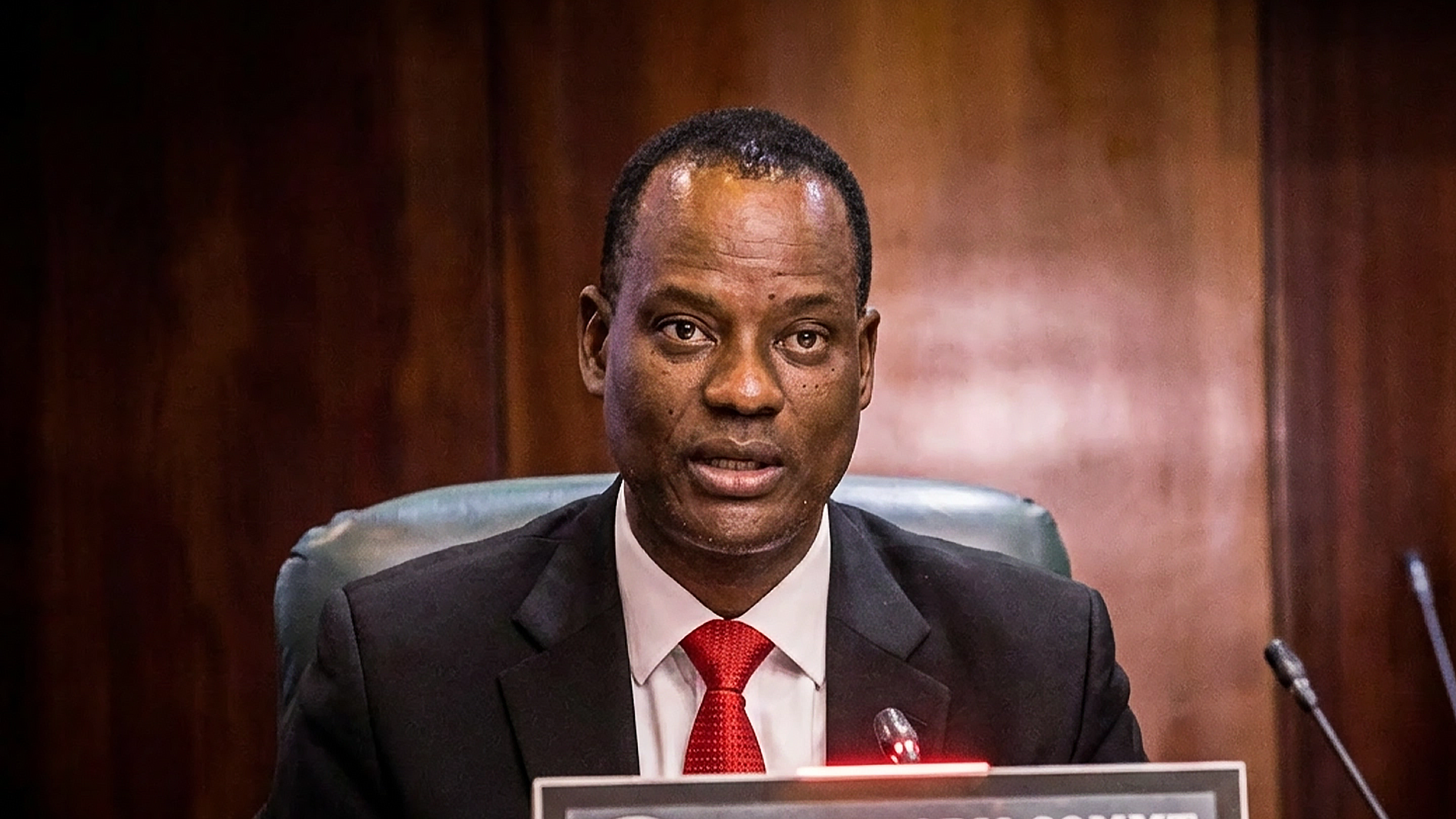
Addressing Nigeria’s priorities, the minister said the immediate focus was on designing and implementing policies and programmes that would reduce poverty, expand economic opportunities and accelerate the distribution of shared prosperity.
He emphasized that achieving these objectives would require stronger international cooperation and a financing framework capable of helping developing countries mobilize the capital needed to invest in essential infrastructure and improve living standards.
The minister’s remarks underscore Nigeria’s call for international financing arrangements that take account of the challenges facing African economies, including the high cost of capital and the need to balance energy access with climate commitments.