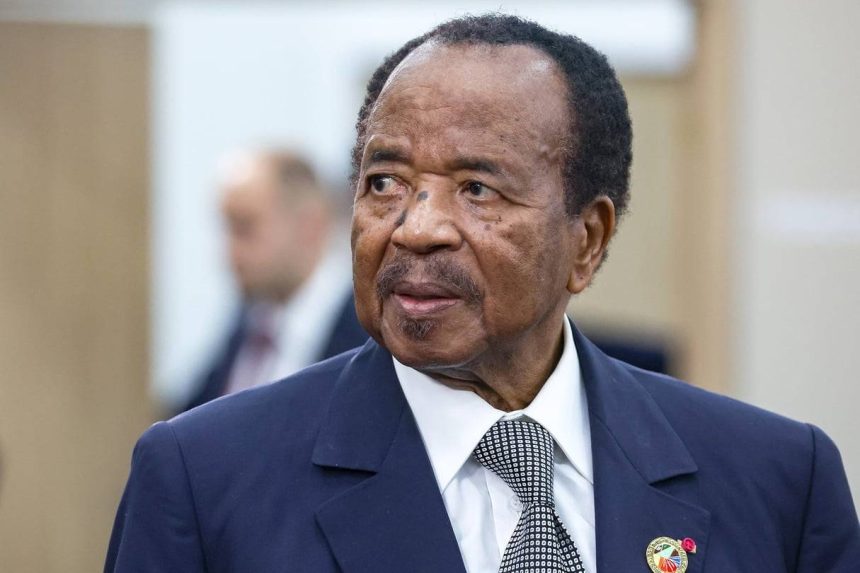
Cameroon has taken a significant step toward reshaping its executive leadership structure after President Paul Biya signed a new law restoring the position of vice president, more than four decades after it was abolished.
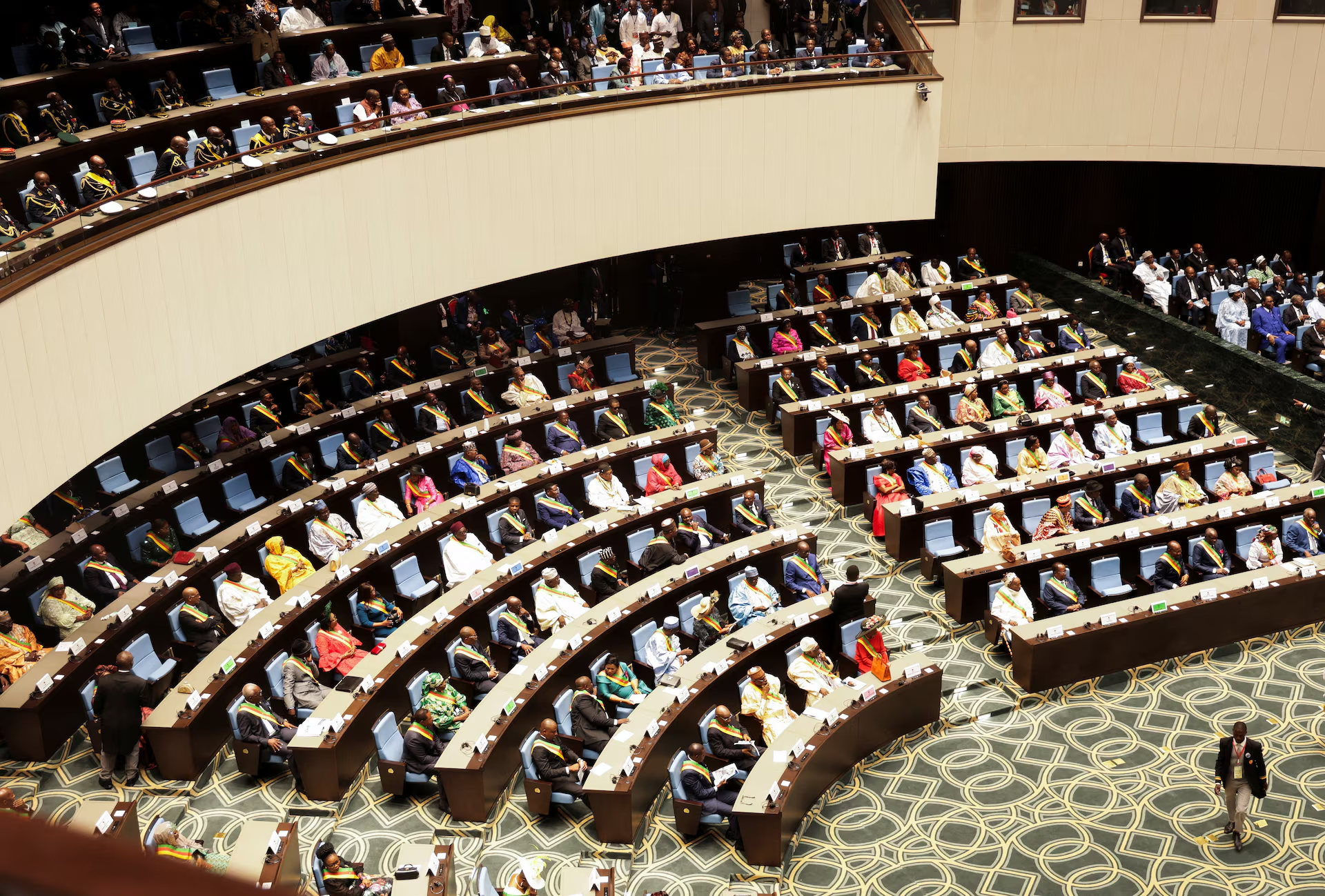
The legislation, signed on Tuesday, follows a parliamentary vote held a week earlier in favor of reintroducing the role. The move marks a notable shift in the country’s governance framework and is being interpreted by lawmakers as a response to longstanding concerns over political continuity and succession.
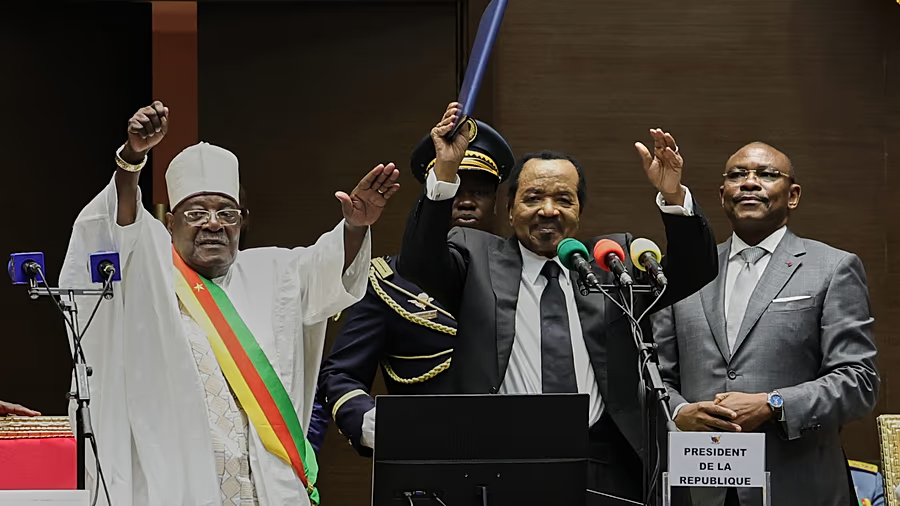
Under the new law, the president will have the authority to appoint a vice president who will serve as acting head of state in the event of a vacancy or if the president is unable to perform official duties. This development effectively reintroduces a dual-executive element into Cameroon’s political system.
The vice presidency was originally eliminated in 1984 during a constitutional overhaul that instead established the role of prime minister. Since then, questions about succession—particularly given President Biya’s long tenure in office—have remained a recurring topic in political discourse.
More Read

Lawmakers backing the reform say the restoration of the vice presidency is intended to strengthen institutional stability and ensure a clearer line of leadership transition. “This is about reinforcing the resilience of our state institutions and addressing uncertainties at the highest level,” one legislator noted during parliamentary deliberations.
Cameroon is now awaiting President Biya’s appointment of the country’s first vice president since the early 1980s. Political analysts say the choice could carry significant weight, offering insight into the administration’s future direction and internal power dynamics.
More Read

The development has already sparked debate among observers, with some viewing it as a proactive governance reform, while others see it as a strategic political maneuver in a system long dominated by a single leader.
As the nation awaits the historic appointment, attention is likely to focus on how the revived office will function in practice—and what it means for Cameroon’s political future.