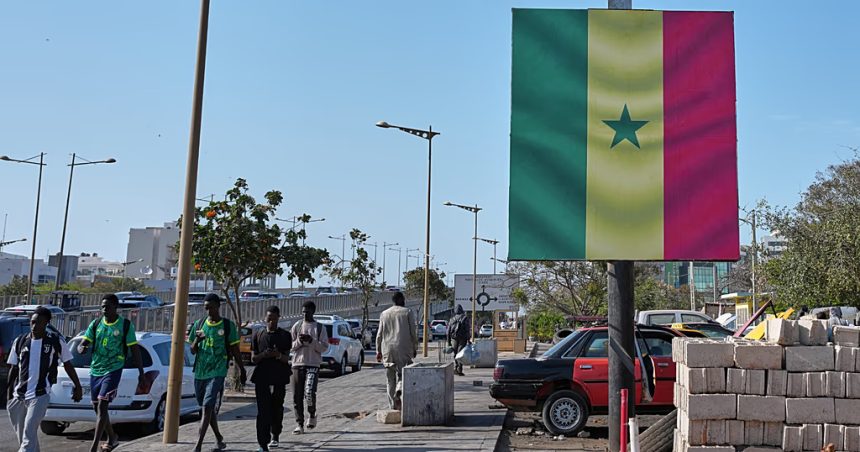
Senegal’s government has pushed back against claims that it covertly secured €650 million in loans to avoid a potential default, insisting the transactions were transparent and part of a broader strategy to stabilize the country’s strained finances.
The controversy follows a report by the Financial Times alleging that Dakar quietly arranged financing deals with the Africa Finance Corporation and First Abu Dhabi Bank. According to the report, the loans—structured using complex financial instruments—could give the lenders priority repayment status over existing bondholders in the event of a default.
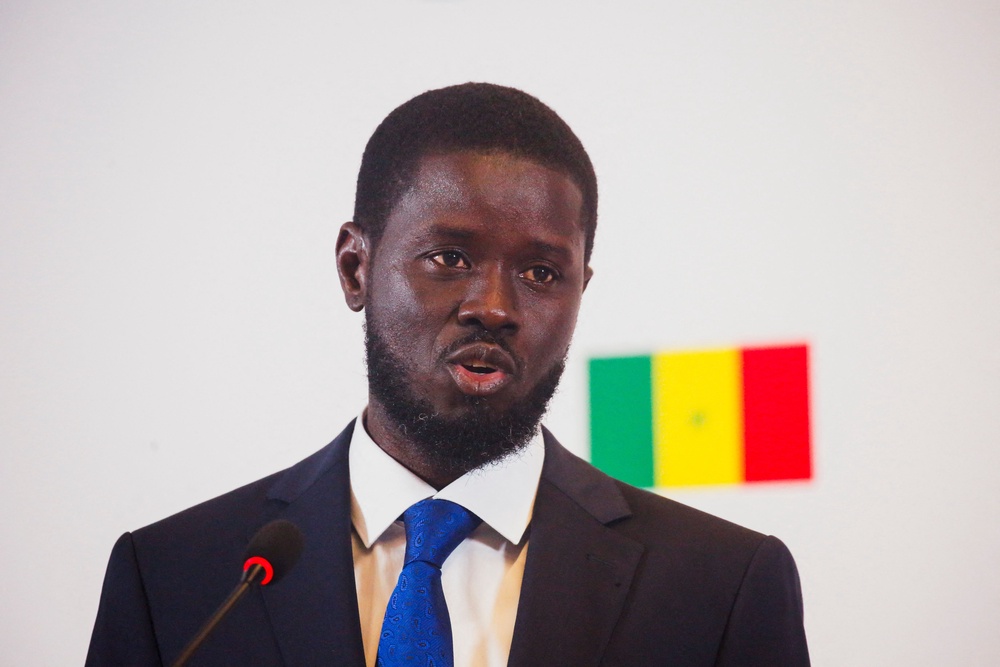
In a statement released late Tuesday, Senegal’s finance ministry rejected any suggestion of secrecy, stating that the transactions complied fully with “market transparency rules.” Officials described the deals as part of efforts to diversify funding sources and secure more favorable borrowing terms at a time when the country faces mounting fiscal challenges.
The loans, which carry an interest rate of about 7.1 percent, were presented by the government as more advantageous than raising funds on international markets. The arrangement reportedly involved the use of Total Return Swap agreements—financial tools that can alter the risk profile of debt and, in some cases, prioritize certain creditors.
More Read

The issue has drawn attention because such structures may place new lenders ahead of traditional bondholders, raising concerns among investors about transparency and fairness in sovereign borrowing.
Senegal’s economic backdrop adds urgency to the debate. The country is grappling with a budget deficit approaching 14 percent of gross domestic product and public debt estimated at roughly 132 percent of national output by the end of 2024. Despite these pressures, authorities recently managed to repay $471 million in external debt, easing immediate fears of default.
The dispute also reflects deeper political tensions. The current administration, which took office in April 2024, has accused the government of former president Macky Sall of concealing the true scale of the country’s financial obligations.
These claims were partly validated by the International Monetary Fund, which found that Senegalese officials had made inaccurate disclosures بشأن budget deficits and public debt between 2019 and 2023. The IMF has since suspended a $1.8 billion assistance programme pending further clarification and reform commitments from the new government.
While Senegal maintains that its latest borrowing moves are both legal and prudent, the situation underscores the delicate balancing act facing the West African nation: restoring investor confidence, managing a heavy debt burden, and keeping the economy afloat without triggering a crisis.
As scrutiny intensifies, the government’s handling of the issue may prove critical in determining whether Senegal can maintain credibility in international financial markets while navigating one of the most challenging fiscal periods in its recent history.