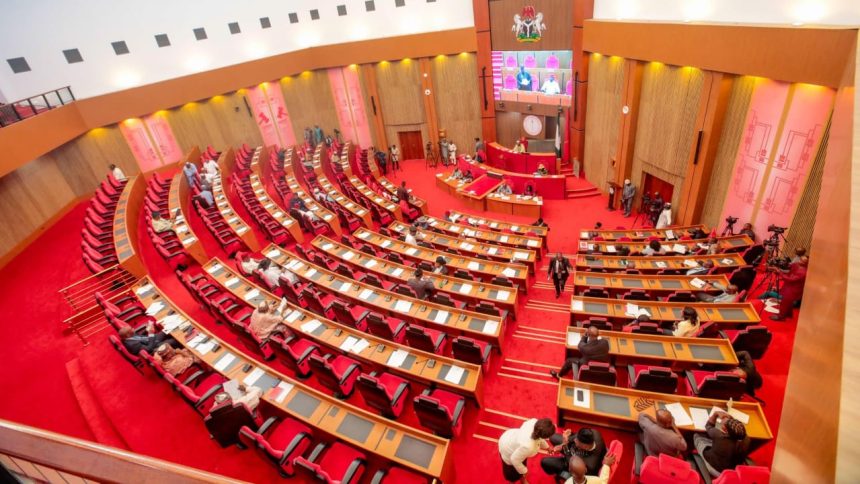
The Nigerian Senate has ruled out reopening the Electoral Act 2026 before the 2027 general elections, insisting that any proposed amendments to the electoral framework will only be considered after the polls.
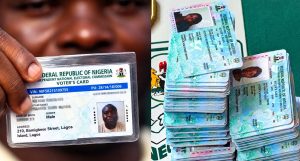
The decision comes amid renewed debate over political party membership registers, candidate nomination procedures and the legal requirements governing preparations for the 2027 elections, following a recent Supreme Court judgment restoring key provisions of the electoral law.
Senator Yemi Adaramodu, Chairman of the Senate Committee on Media and Public Affairs, said the National Assembly had completed the legislative process and would not introduce fresh changes while political parties were preparing for the forthcoming elections.
Speaking in an exclusive interview, Adaramodu maintained that reopening the law at this stage could disrupt the electoral process, particularly as political parties had already relied on the existing framework in selecting candidates.
According to him, any review of the legislation would be considered after the 2027 general elections, depending on the need for amendments and recommendations from interested stakeholders.
More Read

“We have already done the electoral reform and passed that one; it is meant for the 2027 elections,” the senator said.
He added that petitions and concerns about the legislation could still be submitted to the Senate, but stressed that the National Assembly would not reopen the law before the elections.
More Read

Supreme Court Restores Contested Electoral Provisions
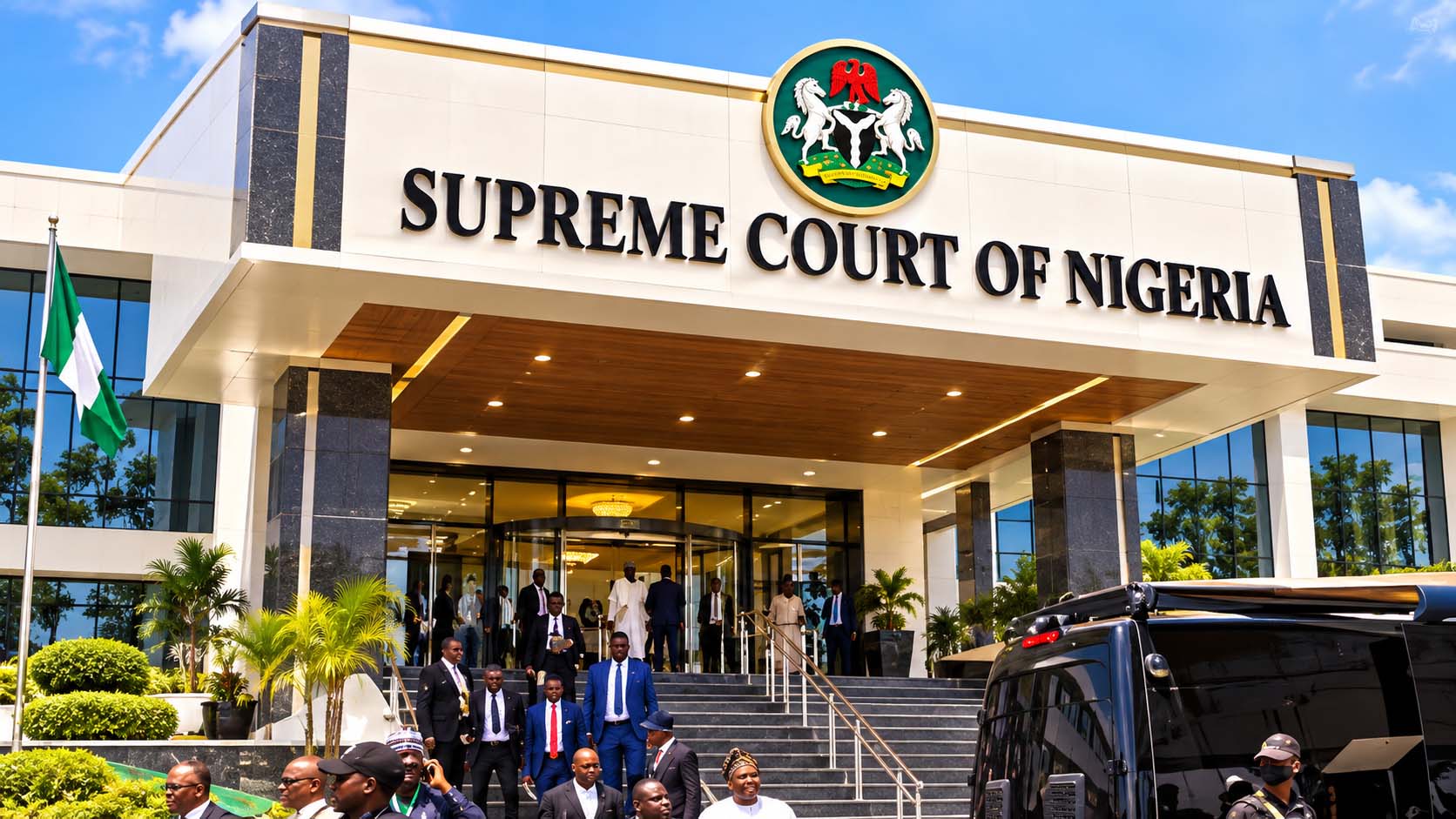
The Senate’s position follows a Supreme Court judgment that overturned an earlier decision of the Court of Appeal, which had declared Sections 77(5), 77(6), 77(7) and 84(2) of the Electoral Act 2026 unconstitutional.
In a unanimous decision delivered by a seven-member panel, the apex court restored the disputed provisions regulating political party membership registers and candidate nomination procedures.
The Supreme Court also set aside the Court of Appeal’s decision nullifying aspects of the Independent National Electoral Commission’s timetable for the 2027 general elections.
The dispute originated from a suit filed by the Zenith Labour Party, which challenged the provisions on the grounds that they interfered with the internal administration of political parties.
However, the Supreme Court’s ruling reaffirmed the legal framework established by the Electoral Act concerning party membership records and the methods through which candidates may be nominated for elections.
The judgment has renewed discussions about the extent to which political parties must comply with statutory requirements when conducting congresses, conventions and primary elections.
More Read

Senate Warns Against Changing Electoral Rules Midway
Explaining why the National Assembly would not revisit the legislation before the elections, Adaramodu argued that changing the rules at this stage could create uncertainty for political parties and candidates.
He noted that parties had already relied on the law in preparing for the electoral process and selecting candidates expected to contest in the 2027 elections.
“Parties have used the law to produce candidates who are going to contest in January and February,” he said.
The senator questioned the rationale behind changing the electoral framework after political parties had begun making decisions based on its provisions.
“So, are you now going to shift the goalpost in the middle of the game?” he asked.
Adaramodu further argued that halting the implementation of the existing legislation to introduce another framework would complicate preparations for the forthcoming polls.
“How do you halt an electoral act that is already in use for a new one? We are not going to do that,” he stated.
His remarks indicate that the Senate intends to maintain the current electoral framework throughout the 2027 election cycle, notwithstanding calls for further legislative intervention.
What the Supreme Court Judgment Means for Political Parties
The restored provisions could have significant implications for political parties, aspirants and candidates seeking elective offices in the 2027 general elections.
Sections 77(5), 77(6) and 77(7) address political party membership registers and impose requirements linking participation in party primaries, congresses and conventions to membership records submitted to the Independent National Electoral Commission.
These provisions make the accuracy and proper management of party membership registers particularly important, as disputes over membership status could become grounds for legal challenges in appropriate circumstances.
Section 84(2), meanwhile, addresses the methods political parties may use to nominate candidates, including direct primaries and consensus, subject to the applicable statutory requirements.
The restoration of these provisions has brought renewed attention to questions surrounding membership registration, party waivers, eligibility to participate in primaries and compliance with nomination procedures.
Political parties will therefore need to pay close attention to the legal requirements governing their internal processes to minimize the risk of disputes arising from alleged non-compliance.

Electoral Reform Debate Likely to Continue After 2027 Polls
Although the Senate has ruled out immediate amendments, the possibility of reviewing the Electoral Act after the 2027 general elections remains open.
Adaramodu said the National Assembly could consider proposals for amendments or adjustments after the elections if there were sufficient reasons to do so.
His position leaves room for future debate over whether the current electoral framework adequately addresses the concerns of political parties and other stakeholders.
For now, however, the Senate appears determined to maintain the existing legislation as political parties and electoral authorities continue preparations for the 2027 general elections.
The Supreme Court’s decision and the Senate’s response are likely to keep attention focused on the implementation of the Electoral Act 2026, particularly the rules governing party membership records, candidate nominations and compliance with electoral procedures.
As preparations for the polls continue, the interpretation and enforcement of these provisions could remain important issues for political parties, aspirants, election administrators and the courts.