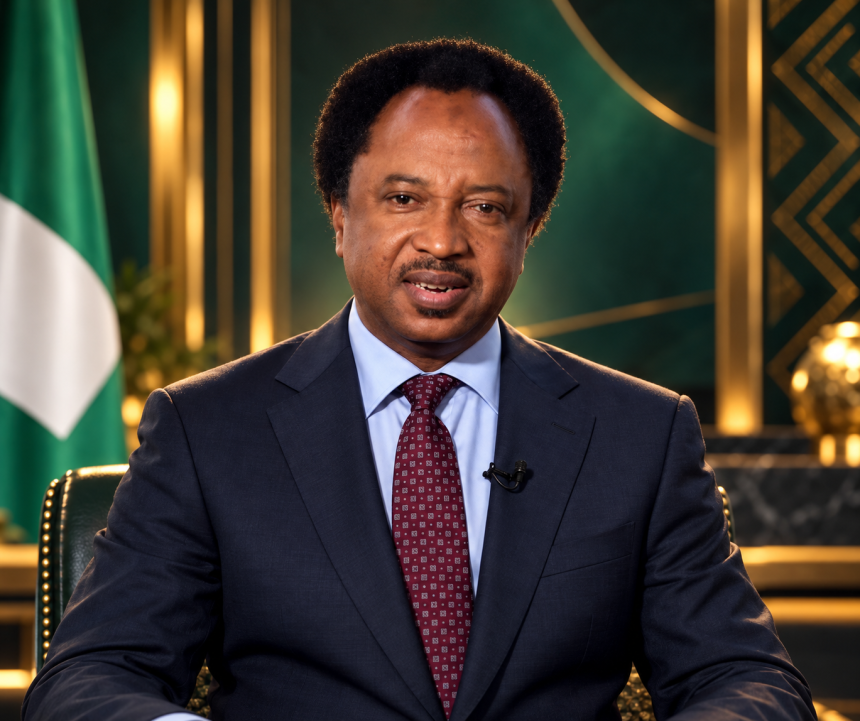
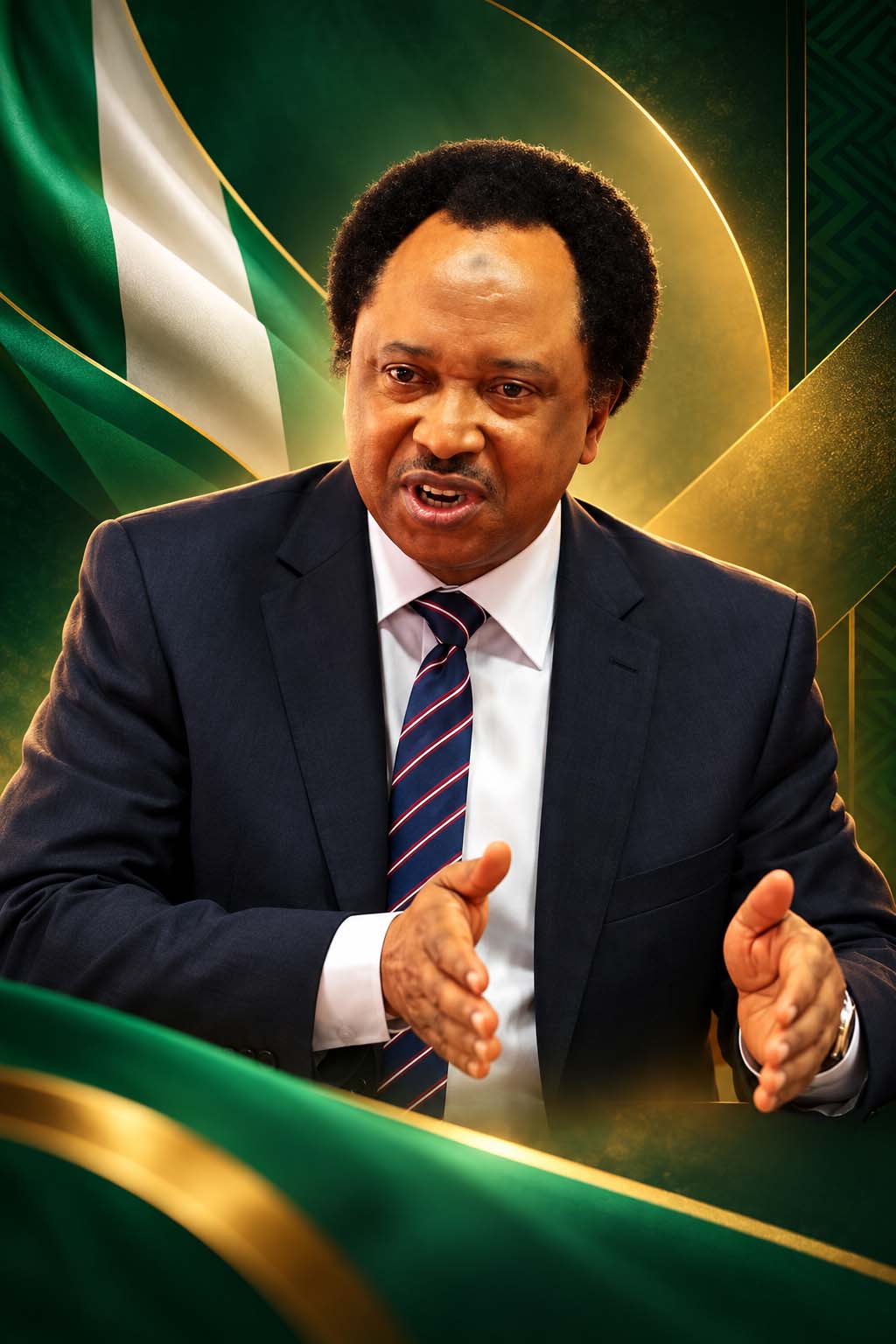
Former Kaduna Central Senator, Shehu Sani, has warned that attempts to return presidential power to the North in 2027 could reignite separatist agitations in southern Nigeria, arguing that the prospect of southern leadership has helped ease calls for secession.
Former Kaduna Central Senator, Shehu Sani, has attributed the reported decline in separatist agitations in parts of southern Nigeria to renewed hope that politicians from the region can aspire to become president of the country.
Sani, who is seeking a return to the Senate on the platform of the All Progressives Congress (APC), said maintaining the informal power-sharing arrangement between the North and South was important for national unity and political stability ahead of the 2027 general elections.
He made the remarks during an interview with select journalists in Kaduna on Friday, October 9, 2026, where he discussed the forthcoming presidential election, rotational presidency, insecurity in northern Nigeria and the need for effective representation at the National Assembly.
According to the former lawmaker, the expectation that a southerner could continue to occupy the presidency has helped reduce separatist sentiments, particularly among groups advocating for an independent Biafran state.
More Read
“Today, if you look at it, the agitation for Biafra has gone to the lowest point because they are hopeful that one of their own is contesting the presidency of this country,” Sani said.
He also cited agitation for a Yoruba republic in the South-West and a Niger Delta republic in the South-South, arguing that the prospect of political representation at the highest level had helped sustain confidence in Nigeria’s political system.
More Read

Shehu Sani Warns Against Disrupting Power Rotation
Sani cautioned that any attempt by northern political leaders to reclaim the presidency in 2027 could deepen perceptions of political exclusion among southern communities and potentially reverse the trend he described.
He maintained that President Bola Ahmed Tinubu should be allowed to complete the South’s expected turn in the presidency before political leaders from the North seek to return to power.
The former senator argued that northern politicians could pursue their presidential ambitions in 2031, following the completion of Tinubu’s second term, if he wins re-election in 2027.
Sani’s position is based on the informal rotational presidency arrangement, under which political power is expected to alternate between the northern and southern parts of the country.
He pointed to the eight years served by former President Muhammadu Buhari, who governed Nigeria from 2015 to 2023, as a reason the South should be allowed a comparable opportunity.
“The principle of rotation of power makes it clear that Buhari has been in power for eight years. It is only logical and rational that you have a southerner,” he said.
More Read

National Unity and Political Inclusion
Sani argued that perceptions of fairness and inclusion remain important to the stability of Nigeria, a country with diverse ethnic, religious and regional interests.
He questioned how any president could govern effectively if significant sections of the population believed they had been denied a fair opportunity to produce the country’s leader.
According to him, respecting the power-sharing arrangement could help reduce political tensions and strengthen confidence in the Nigerian state.
However, his assessment of the decline in separatist agitations represents his political interpretation of developments in the country. The extent to which presidential power rotation has influenced separatist movements would require independent evidence and broader analysis.
The debate over rotational presidency is also taking place against the backdrop of the 2027 election, with political parties and aspirants positioning themselves for the contest.

Sani Eyes Return to the Senate
Beyond the presidential contest, Sani expressed confidence in the electoral prospects of the APC in Kaduna State as he seeks a return to the Senate to represent Kaduna Central.
He also addressed insecurity in northern Nigeria and the importance of effective legislative representation, stressing the need for elected officials to respond to the concerns and development needs of their constituents.
As political activities gather momentum ahead of the 2027 general elections, the question of whether presidential power should remain in the South or return to the North is likely to remain a significant subject of national debate.
While rotational presidency is an established political convention in Nigeria, it is not a constitutionally guaranteed arrangement. The 2027 election will therefore test the competing arguments over political inclusion, electoral competition and the future of power-sharing in the country.