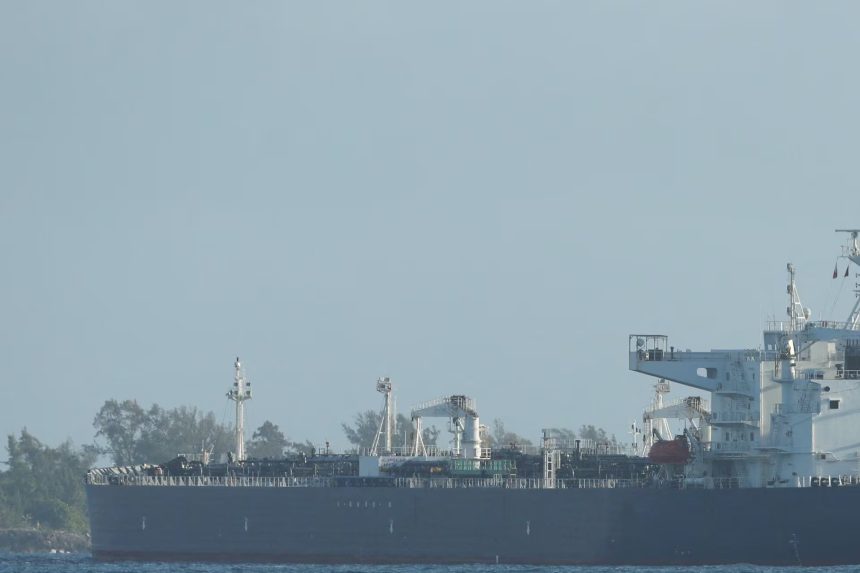
Iran has announced that the Strait of Hormuz—one of the world’s most critical energy shipping routes—is now “completely open” to commercial vessels for the duration of an ongoing ceasefire, signaling a potential easing of tensions in the Middle East.
In a statement released Friday, Iranian Foreign Minister Abbas Araghchi said all commercial ships would be allowed safe passage through the strategic waterway, provided they follow designated routes coordinated by Iranian maritime authorities.
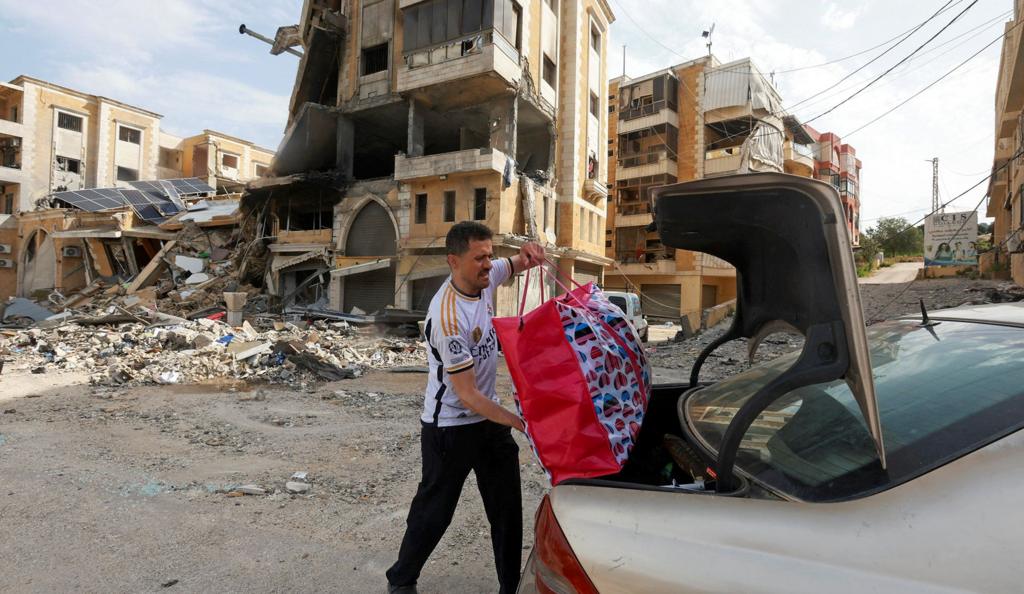
The announcement comes in the wake of a ceasefire agreement halting hostilities between Israel and Hezbollah in Lebanon, as well as broader de-escalation efforts involving Iran and global powers. The truce is expected to last around 10 days, during which maritime traffic through the strait is expected to resume under monitored conditions.
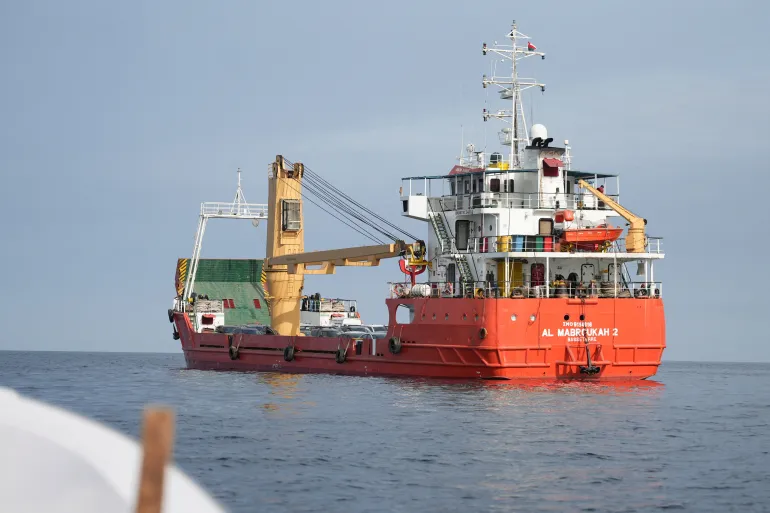
The Strait of Hormuz is a vital artery for global energy supply, with roughly a fifth of the world’s oil shipments typically passing through it. Its partial or complete closure in recent weeks—amid escalating conflict involving Iran, the United States, and Israel—had disrupted shipping, stranded vessels, and driven up global oil prices.

Markets responded swiftly to the reopening announcement. Oil prices dropped sharply as traders grew optimistic about the return of stable energy flows, reflecting renewed confidence in the fragile ceasefire holding.
Despite the positive signal, uncertainty remains. Iranian officials have warned they are prepared to respond to any violations of the ceasefire, and previous attempts to reopen the strait have seen limited traffic due to security concerns, including naval blockades and the threat of mines.
More Read

Still, the latest development is being viewed as a significant step toward stabilizing one of the world’s most volatile geopolitical flashpoints. If the ceasefire holds, analysts say it could pave the way for broader negotiations and a more lasting resolution to the conflict—along with a sustained reopening of a waterway crucial to the global economy.