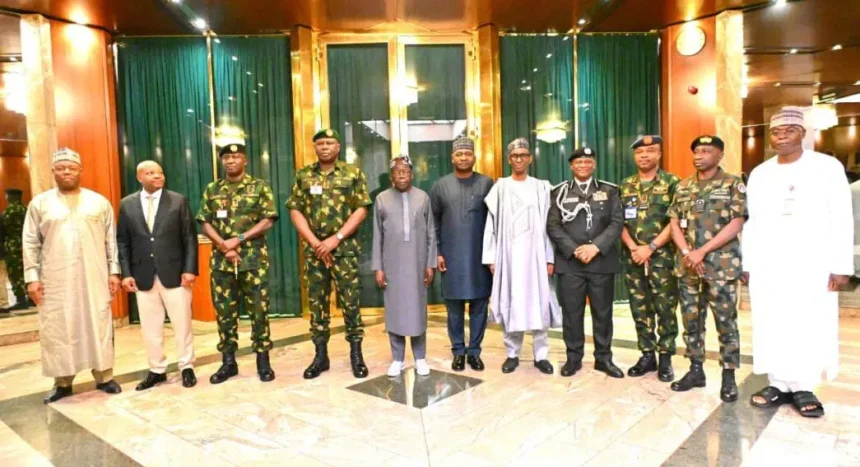
Despite the allocation of over ₦32.88 trillion to Nigeria’s defence sector in the last 15 years, insecurity continues to grip the nation, raising fresh concerns about the effectiveness of government spending on safety and national protection.
The amount, which represents about 12.5 percent of the country’s ₦262.8 trillion total budgets within the period — and roughly $44.6 billion at official exchange rates — has done little to shield citizens from the persistent wave of violence across multiple regions.
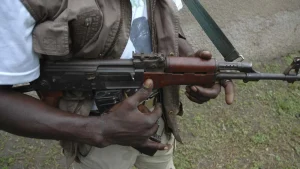
From insurgency in the North-East to banditry in the North-West, communal clashes in the North-Central, and oil-related violence in the Niger Delta, millions of Nigerians remain exposed to danger.
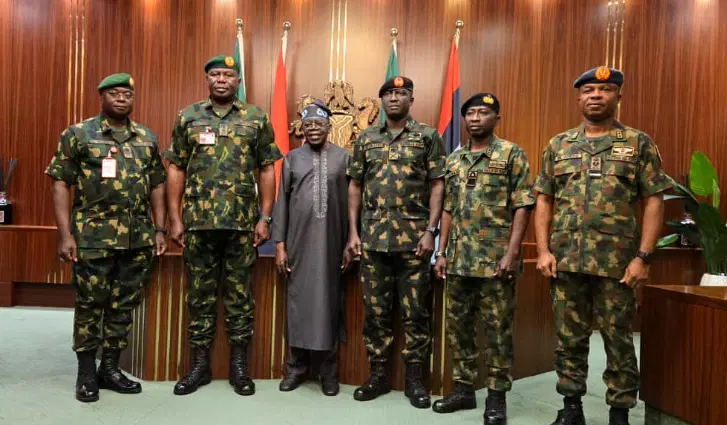
Security data paints a grim picture. Since 2012, over 100,000 Nigerians have reportedly lost their lives to violent conflicts, while thousands have been abducted and millions displaced. As of now, no fewer than 3.7 million people are living in displacement camps across the country.
More Read

Worryingly, the crisis appears far from over. Within the first 41 days of 2026 alone, at least 1,091 lives have been lost in violent attacks. The resurgence of suicide bombings, particularly in Maiduguri, has further heightened fears of a return to darker days.
Against this backdrop, the National Assembly has intensified scrutiny of defence spending as lawmakers push to pass the 2026 Appropriation Bill before March 31.
The Senate is currently considering a ₦58.47 trillion budget proposal submitted by President Bola Tinubu, with ₦5.41 trillion earmarked for defence and security — one of the largest allocations in the plan.
Senate President Godswill Akpabio has indicated that the upper chamber is working to meet the March 31 deadline, stressing the urgency of timely budget passage to sustain military operations.
Similarly, the House of Representatives is set to resume detailed scrutiny of the defence component, with committees focusing on troop welfare, logistics, intelligence, and procurement.
Lawmakers insist that increased funding must translate into measurable improvements in security.
During a budget defence session in Abuja, the Chief of Defence Staff, Olufemi Oluyede, acknowledged that the military alone cannot solve Nigeria’s complex security challenges.
He called for stronger support for the Nigeria Police Force and the Nigeria Security and Civil Defence Corps, noting that these agencies are better positioned to maintain security in areas already cleared by the armed forces.
According to him, overstretched military personnel are currently engaged across multiple conflict zones, leaving little room for rest or strategic regrouping.
More Read

Oluyede also disclosed that special forces have been deployed to parts of the North-Central, including Benue and Plateau states, while additional troops are expected in Kwara and Niger states to curb rising insecurity.
He revealed plans for a new Joint Task Force, Operation Savannah Shield, aimed at strengthening coordinated security efforts in affected regions.
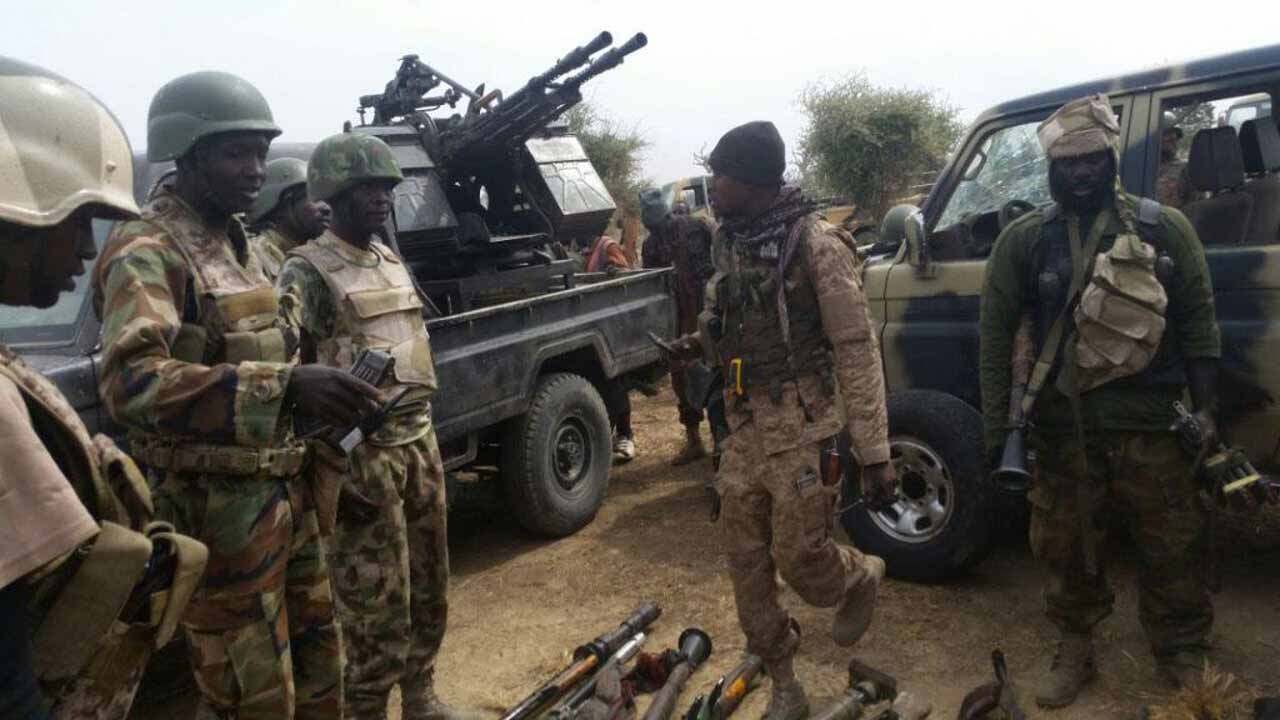
While the military points to operational gains, particularly in the North-East, lawmakers argue that the results are not sufficient.
Chairman of the House Committee on Defence, Babajimi Benson, stressed that Nigeria must move beyond spending figures to measurable outcomes.
He warned that Nigerians expect tangible results — safer communities, restored livelihoods, and renewed confidence in government authority.
As deliberations on the 2026 budget continue, the central question remains unresolved: can increased defence spending truly deliver the security Nigerians desperately seek?
For millions living under the constant threat of violence, the answer cannot come soon enough.