As Nigeria approaches the 2027 general elections, one message is becoming increasingly difficult for political leaders to ignore: Nigerians are tired of promises. They want results. They want a country where hard work guarantees a decent living, where parents can feed their children without struggling, where young graduates can find meaningful employment, and where citizens can go about their daily activities without living in fear.
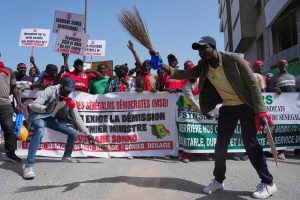
Across the country, the mood is increasingly defined by frustration, economic uncertainty and declining confidence in the ability of political leadership to deliver the basic necessities of life. Hunger is biting harder, insecurity continues to threaten communities, businesses are struggling with rising energy costs, and millions of households are finding it increasingly difficult to cope with the cost of living.
For the average Nigerian, the 2027 presidential election is therefore more than another contest between political parties and ambitious politicians. It represents another opportunity to demand a government that understands the realities of ordinary citizens and possesses the competence, courage and political will to address the country’s numerous challenges.
The expectations are enormous. But perhaps what makes this moment particularly significant is that Nigerians are no longer asking for extraordinary privileges. They are demanding the basic conditions necessary for a dignified existence.
More Read

The First Test: Making Life Affordable
The cost of living remains one of the most pressing concerns confronting Nigerian households. Food prices, transportation fares, housing costs, cooking gas and other essential commodities have placed enormous pressure on families whose incomes have struggled to keep pace with rising expenses.
For many households, survival has become a daily calculation. What can be bought? Which bills can be postponed? How many meals can be afforded?
More Read
This is not the kind of economic reality that should define a country with Nigeria’s enormous human and natural resources.
Whoever occupies Aso Rock after the 2027 elections must understand that economic recovery cannot be measured exclusively through government statistics, economic projections or announcements of policy achievements. Its real impact must be visible in the purchasing power of citizens.
A successful economic policy should translate into affordable food, reasonable transportation costs, increased household incomes and an environment where small businesses can operate without being suffocated by operational expenses.
The government must also recognise that economic reforms, however necessary, must be accompanied by effective social protection mechanisms to prevent vulnerable citizens from bearing disproportionate burdens.
Nigerians need an economy that works for the majority, not one in which survival becomes a privilege.
Security Must Become a Fundamental Responsibility
More Read

Perhaps no responsibility is more fundamental to government than the protection of lives and property.
Yet, insecurity continues to undermine livelihoods, disrupt economic activities and threaten the social stability of communities across the country.
From banditry and kidnapping to terrorism, communal violence and other criminal activities, the consequences extend far beyond the immediate victims. Farmers are afraid to return to their farms, traders hesitate to travel, parents worry about the safety of their children, and communities are forced to live under persistent threats.
A nation cannot achieve meaningful development when its citizens are constantly worried about their safety.
The next president must therefore approach national security with a renewed sense of urgency. This requires more than military operations and occasional declarations of success. It demands improved intelligence gathering, modern security equipment, effective coordination among security agencies, stronger community engagement and accountability for operational failures.
The proposal for state police also deserves serious consideration, provided adequate constitutional safeguards, oversight mechanisms and institutional checks are established to prevent political abuse.
Security must not be treated as a campaign slogan. It must become a measurable responsibility of government.
Electricity: The Foundation of Economic Growth
Nigeria’s electricity crisis remains one of the greatest obstacles to industrialisation, business expansion and economic development.
For decades, unreliable electricity has forced households and businesses to depend on alternative power sources, particularly petrol and diesel generators. The financial implications are enormous, especially for small businesses and manufacturers already struggling with high operating costs.
How can local industries compete internationally when a significant portion of their revenue goes into generating electricity?
How can small businesses expand, employ more workers and reduce production costs when reliable power remains uncertain?
The next administration must make electricity reform a national economic priority. It must address the structural challenges within the power sector, encourage credible private-sector investment, improve transmission and distribution infrastructure, and establish a framework that guarantees reliable and affordable electricity.
A functional power sector would have a multiplier effect across several areas of the economy. It would support manufacturing, encourage investment, improve productivity, create employment and reduce the cost of doing business.
Nigeria cannot continue to speak confidently about economic diversification while businesses remain trapped in an environment where electricity is a luxury.
Youth Unemployment: A Threat to the Nation’s Future
Nigeria’s young population represents one of its greatest assets. However, the failure to create sufficient economic opportunities for young people threatens to turn this demographic advantage into a major national challenge.
Every year, thousands of graduates leave universities and other institutions with expectations of building meaningful careers. Unfortunately, many encounter a difficult labour market characterised by limited employment opportunities, inadequate skills development and insufficient support for entrepreneurship.
The consequences are visible in the growing number of young people struggling to establish sustainable livelihoods or considering migration in search of better opportunities.
The next president must move beyond the familiar language of youth empowerment.
Young Nigerians need genuine employment opportunities, practical vocational training, access to affordable financing, technology development and an economic environment that allows businesses to grow.
Government should also create stronger partnerships with the private sector to ensure that education and skills development are aligned with the demands of the modern economy.
The objective should not simply be to distribute grants or organise empowerment programmes for political publicity. It should be to build a system in which young people can become economically independent and contribute meaningfully to national development.
Education and Healthcare Must Not Remain Privileges
A country that neglects education mortgages its future. Similarly, a nation that cannot provide affordable healthcare places the lives of its citizens at unnecessary risk.
Nigeria’s public education system requires sustained investment in infrastructure, teacher development, learning resources and institutional stability. Students deserve an uninterrupted academic calendar and an educational environment that prepares them for the realities of the modern world.
Government must also address the conditions responsible for recurring industrial disputes in the education sector and work towards sustainable solutions that protect the interests of students, lecturers and other stakeholders.
Healthcare demands equal attention.
It is unacceptable for ordinary Nigerians to face financial hardship simply because they require medical attention. Public hospitals must be properly equipped, medical personnel adequately motivated, and primary healthcare facilities strengthened, particularly in rural and underserved communities.
Health insurance must also become more accessible to low-income households.
The quality of a nation’s healthcare system should not depend on how wealthy its citizens are.
Accountability and the Cost of Governance
Another major expectation is a government that respects public resources and understands the meaning of accountability.
Over the years, Nigerians have repeatedly heard promises of transparency, fiscal discipline and the fight against corruption. However, citizens continue to demand stronger institutions and visible evidence that public funds are being used for their intended purposes.
The next president must demonstrate that public office is a responsibility rather than an opportunity for personal enrichment.
Government expenditure must reflect national priorities. Excessive political privileges, wasteful spending and unnecessary administrative costs deserve serious scrutiny, particularly at a time when millions of citizens are struggling to meet basic needs.
There must also be stronger institutions capable of operating independently and holding public officials accountable, regardless of political affiliation or influence.
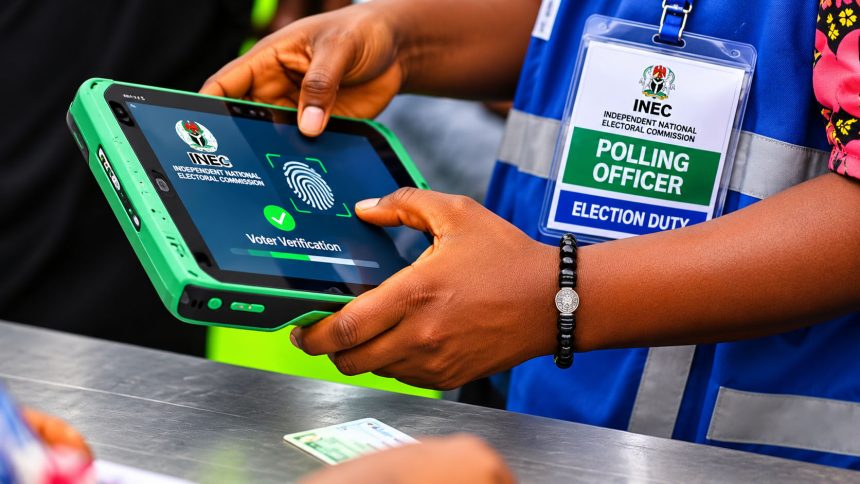
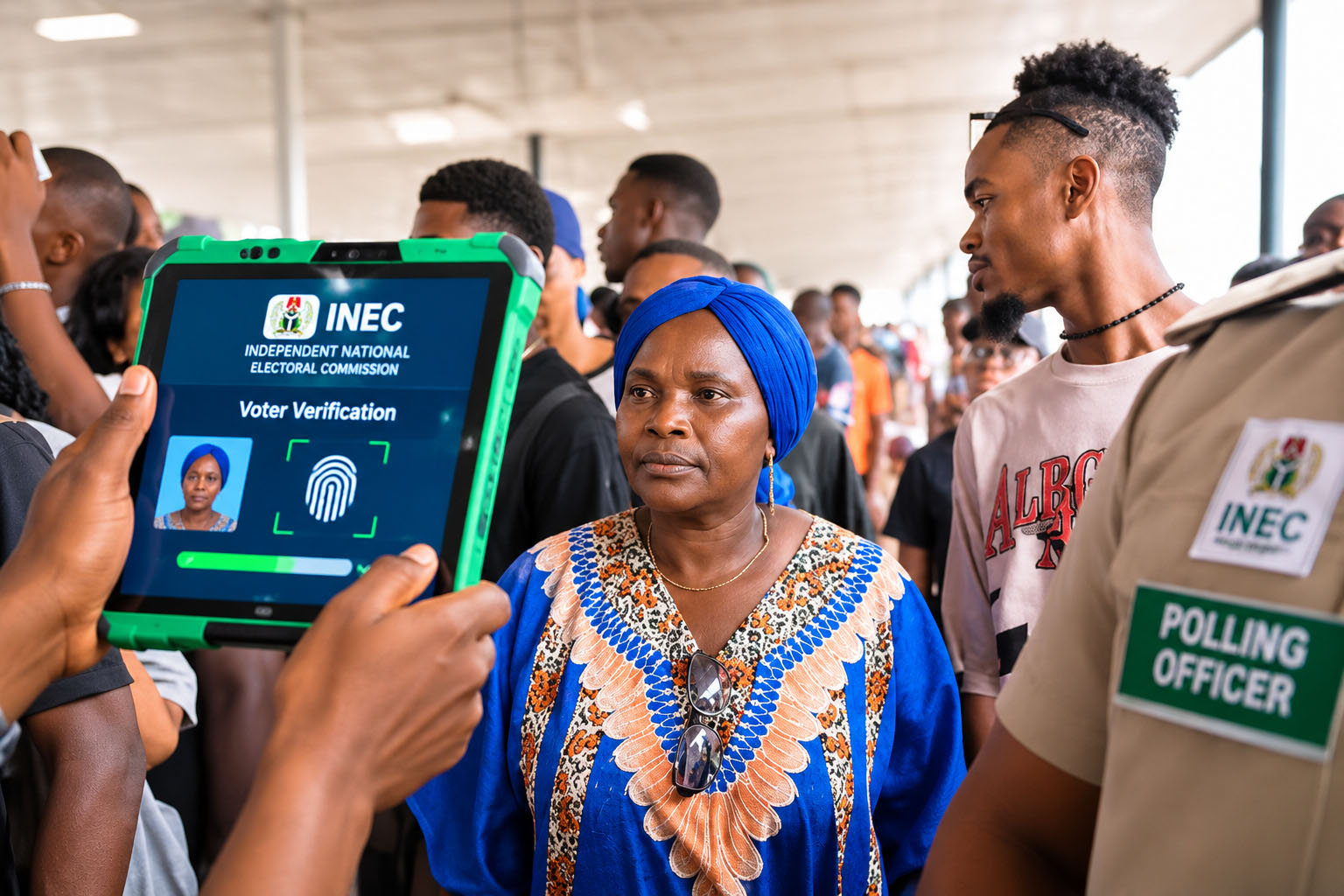
Electoral credibility and judicial independence are equally important. Citizens must have confidence that their votes count and that the institutions responsible for protecting democracy can perform their duties without political interference.
Without accountability, even the most attractive policies risk becoming another collection of unfulfilled promises.
Nigeria Needs Production, Not Just Consumption
Beyond the immediate challenges of survival, the next administration must confront the structural weaknesses of the Nigerian economy.
For too long, the country’s economic fortunes have remained heavily influenced by crude oil, while agriculture, manufacturing, technology and other productive sectors have struggled to achieve their full potential.
Nigeria must deliberately strengthen domestic production, improve agricultural productivity, support local manufacturers and create an environment that encourages investment.
Farmers must be protected, industries must have access to reliable energy, and local entrepreneurs must be supported through policies that encourage expansion rather than discourage enterprise.
Economic diversification must move beyond official declarations and become a practical national development strategy.
A country that produces more of what it consumes will be better positioned to create jobs, reduce import dependence and strengthen its economic resilience.
The 2027 Election Must Be About Performance, Not Personalities
As political activities gather momentum, Nigerians must resist the temptation to reduce the forthcoming election to arguments about political parties, personalities, ethnicity, religion or regional interests.
The most important question should be simple: Who has the competence, character, experience and practical programme to address the country’s challenges?
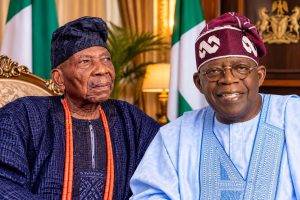
President Bola Ahmed Tinubu and the other presidential contenders must understand that Nigerians will be judging them against the realities confronting households and businesses.
The electorate deserves detailed policy proposals, realistic implementation strategies, measurable targets and clear explanations of how proposed programmes will be funded.
Campaign rallies and political advertisements may attract attention, but they cannot substitute for credible solutions.
Candidates must also be prepared to explain how they intend to address insecurity, inflation, unemployment, electricity shortages, poor infrastructure and the deteriorating conditions of public institutions.
The era when political promises could be made without clear implementation plans should give way to a more demanding political culture.
The Real Measure of Leadership
Ultimately, the success of Nigeria’s next president should not be determined by the number of political appointments made, the size of government projects announced or the frequency of official speeches.
It should be measured by the difference made in the lives of ordinary Nigerians.
Can a civil servant feed a family comfortably on a monthly salary? Can a young graduate find a decent job? Can a farmer return safely to the farm? Can a small business operate without spending most of its income on electricity? Can a parent afford quality education for a child? Can an ordinary citizen access medical treatment without selling personal belongings?
These are the questions that should define the national conversation ahead of 2027.
Nigerians are not demanding perfection, nor are they expecting every national problem to disappear overnight. They are demanding responsible leadership, realistic policies, transparency, compassion and measurable progress.
The next president will inherit a country with enormous potential but equally enormous challenges. The responsibility will be to transform that potential into opportunities and ensure that economic growth translates into improved living conditions.
Nigeria does not simply need another president who knows how to win elections. It needs a leader who understands what it means to govern.
In 2027, the ultimate campaign promise should be simple: make Nigeria a country where citizens can live, work, prosper and dream without the daily fear of poverty, insecurity and hopelessness.
Because, at the end of the day, Nigerians do not eat manifestoes. They live with the consequences of governance.