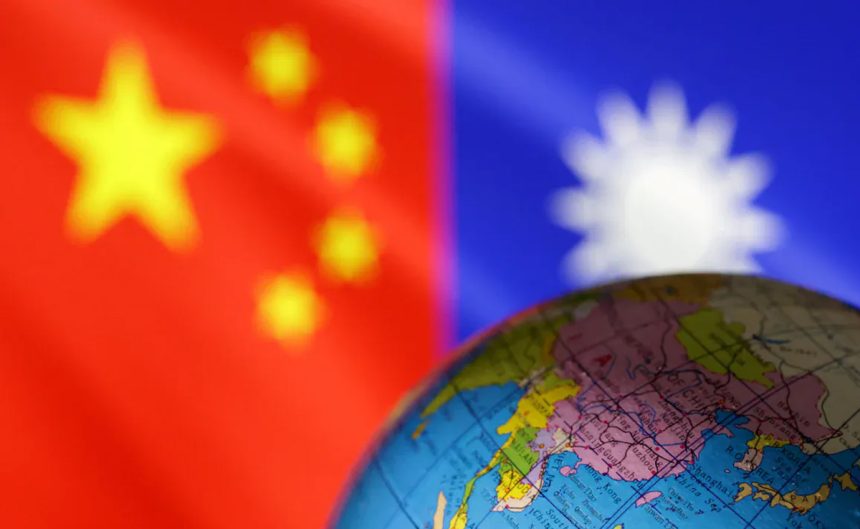
A new assessment by the United States Intelligence Community has revealed that China is not currently planning to invade Taiwan in 2027, countering earlier speculations of a possible near-term military action.
The finding was contained in the agency’s latest Annual Threat Assessment report, which stated that Chinese leaders have no fixed timeline for achieving unification with Taiwan. Instead, Beijing is expected to continue pursuing strategies aimed at bringing the island under its control without resorting to armed conflict.
According to the report, China will likely focus on creating favorable conditions for unification by 2026, relying on political, economic, and diplomatic pressure rather than military force.
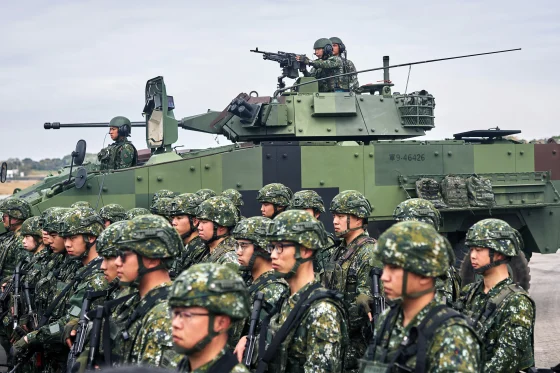
Despite this, the report acknowledged that tensions remain high, noting that China still considers Taiwan a part of its territory and has not ruled out the use of force if necessary. In recent years, Beijing has increased military drills and pressure around the island, signaling its continued commitment to reunification.

However, the intelligence community cautioned that a full-scale invasion of Taiwan would be extremely complex and risky, particularly due to the challenges of launching an amphibious assault. The report added that such an operation could face a high risk of failure, especially if the United States intervenes militarily.
Reacting to the report, China’s foreign ministry spokesperson, Lin Jian, reiterated that the Taiwan issue remains an internal affair of China. He also urged the United States to exercise caution in its statements and actions, calling on Washington to “correct its understanding” and stop what he described as exaggeration of the China threat.

More Read

The report further revealed that China views unification with Taiwan as a key component of its long-term national goal of “rejuvenation” by 2049, indicating a broader and more gradual strategy rather than an immediate military objective.
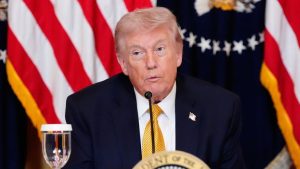
While the United States does not officially recognize Taiwan as an independent nation, it remains the island’s primary military supporter. Under Donald Trump, the tone of US support has reportedly softened slightly, although its strategic backing continues.
The latest assessment suggests that while the possibility of conflict cannot be entirely ruled out, the situation is more likely to evolve through sustained geopolitical maneuvering rather than imminent warfare.
As global attention remains fixed on the Taiwan Strait, analysts say the coming years will be critical in determining whether diplomacy or confrontation shapes the future of the region.