Legal practitioners across Nigeria have condemned alleged threats and attacks against opposition supporters, warning that political intimidation, if left unchecked, could undermine citizens’ constitutional rights and the credibility of the 2027 general elections.
As political activities gather momentum ahead of the 2027 general elections, concerns are mounting over reports of threats, harassment and violence allegedly involving political actors and supporters of the ruling All Progressives Congress (APC) in different parts of the country.
The concerns follow a series of reported incidents, including threats against a hotel hosting an opposition party meeting in Edo State, an alleged directive restricting commercial drivers from entering a motor park unless they wore APC-branded caps, and statements reportedly warning residents who do not support the ruling party to leave their communities.
The incidents have drawn strong reactions from senior lawyers and other legal practitioners, who say political disagreements must not be settled through threats, coercion or the misuse of public office.
Among the reported incidents, the chairman of Esan West Local Government Area in Edo State was accused of threatening to demolish a hotel hosting a meeting of the Nigeria Democratic Congress (NDC), allegedly warning that any building accommodating meetings of parties other than the APC would be brought down.
The local government chairman was also accused of visiting Ekpoma motor park and ordering that commercial drivers wearing caps associated with other political parties be prevented from entering the facility.
In Abuja, a council chairman reportedly told residents unwilling to support the APC to relocate from the Federal Capital Territory, while a commissioner in Borno State was alleged to have threatened that residents opposing the ruling party would be flogged.
Reports of political gatherings being disrupted, individuals attacked and properties destroyed have further heightened concerns about the atmosphere surrounding the forthcoming elections.
Lawyers who spoke on the developments warned that such actions, if established, could violate constitutional protections and electoral laws, while discouraging citizens from freely participating in the democratic process.
Lawyers warn intimidation could erode confidence in election results
A Senior Advocate of Nigeria (SAN), Kenneth C. Ahia, said threats against citizens over their political affiliations violate fundamental rights guaranteed by the 1999 Constitution.
Ahia specifically cited Sections 34, 40, 41 and 42, which address human dignity, freedom of association and assembly, freedom of movement and protection against discrimination on the grounds of political opinion.
He said the reported threats, including those involving businesses, commercial drivers and elected local government officials, could discourage political participation and undermine public confidence in election results even before voting begins.
According to him, elections can only be meaningful when citizens are free to campaign, express their opinions and vote without fear.
Ahia also called for impartial investigations into every reported threat and appropriate sanctions against any public official found to have abused their authority.
He urged political leaders across party lines to make it clear that electoral victories must be achieved through persuasion and performance rather than coercion.
The senior lawyer further reminded politicians that political power is temporary, pointing to the period when the Peoples Democratic Party (PDP) dominated Nigerian politics before the APC defeated it in the 2015 general elections.
Another SAN, Dayo Akinlaja, described the reported threats as unconstitutional, illegal and disturbing, arguing that they reflected a decline in the country’s democratic culture.
Akinlaja said Nigeria should have moved beyond political intolerance and incivility, insisting that election campaigns should focus on issues and policies rather than fear and intimidation.
He lamented that political debates were increasingly being overshadowed by what he described as fearmongering, warning that the situation was deeply troubling for the country’s democratic development.
Threats against political choice could constitute electoral offences
Abuja-based senior lawyer Nkereuwem Akpan also condemned the alleged threats, describing them as a cause for concern in a multiparty democracy founded on citizens’ freedom to choose their political representatives.
Akpan argued that any attempt to prevent citizens from supporting a political party of their choice, whether before, during or after an election, raises serious constitutional and legal questions.
He recalled Nigeria’s experience under previous political administrations, including the era of military rule when political parties such as the National Republican Convention and Social Democratic Party provided platforms for political participation.
According to him, the rise and subsequent decline of the PDP should serve as a reminder that no political party can assume permanent control of the country.
Akpan maintained that attempts to discriminate against citizens because of their political affiliations or restrict their freedom of choice could be challenged in court and may also constitute electoral offences.
He also expressed concern about the enforcement of laws, alleging that political influence could obstruct investigations and prosecutions.
Senior legal practitioner Chief Chukwuma Nwachukwu said the reported incidents demonstrated the need for public officials and political actors to respect the Constitution and the rule of law.
Nwachukwu cited Section 1(1) of the 1999 Constitution, which establishes the Constitution as the supreme law of the country and binds all authorities and persons.
He said no political party member or government official had the right to interfere with citizens’ fundamental rights under the guise of political activities.
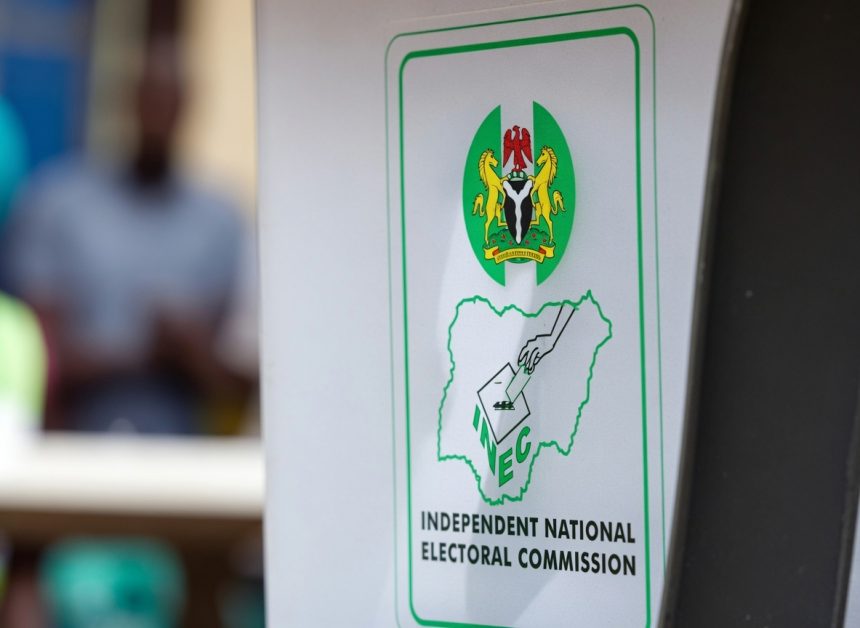
He urged law enforcement agencies to carry out their statutory responsibilities and called on the Independent National Electoral Commission (INEC) to caution political office holders against inflammatory statements as the country approaches the elections.
Nwachukwu also raised concerns about allegedly excessive charges for political campaign billboards, arguing that campaign-related fees should not be set at prohibitive levels that unfairly restrict political participation.
Lawyers call for impartial enforcement and protection of voters
Lawyer Evans Ufeli warned that political intimidation could turn elections into what he described as a “marketplace of fear,” where citizens become more concerned about possible reprisals than their political preferences.
Ufeli said threats against workers, traders, civil servants and business owners because of their political affiliations could undermine constitutional democracy.
He argued that intimidation intended to compel voters to support a particular candidate, abstain from voting or abandon a political party could attract legal consequences where the evidence establishes an offence.
He also identified possible consequences such as investigations into abuse of office, civil actions to enforce fundamental rights, disciplinary sanctions and criminal liability, depending on the facts of each case.
Ufeli warned that threats involving employment, government services, business operations or access to public contracts could have a chilling effect on political participation.
He called for an electoral environment in which citizens are not forced to choose between their political beliefs and their personal safety or livelihoods.
Similarly, lawyer Femi Aborisade described the reported incidents as a threat to the credibility of the electoral process.
Aborisade said public officials have a constitutional responsibility to protect citizens regardless of their political affiliations and must not use their positions to dictate how people should vote.
He warned that a continued atmosphere of intimidation could discourage citizens from participating in political activities or expressing their genuine preferences.
According to him, political competition should revolve around policies, programmes and the records of candidates rather than threats and reprisals.
Former President of the Ijaw Youth Council Worldwide, Dr Eric Omare, also condemned the reported threats, saying they could pose risks to peace and security ahead of the 2027 elections.
Omare said Nigerians have the right to support political parties and candidates of their choice in a multiparty democracy.
He urged security agencies to take proactive measures to address threats and prevent them from escalating into violence.
Public officials urged to respect constitutional rights
Amaebi Clarkson, another legal practitioner, described the reported conduct as a sign of disregard for constitutional principles and warned against the use of public authority to intimidate political opponents.
Clarkson cited Section 40 of the Constitution, which guarantees freedom of peaceful assembly and association, and said these rights must be respected by all political actors.
He noted that the APC itself benefited from Nigeria’s multiparty democratic system when it defeated the PDP in 2015, arguing that the same democratic principles must protect opposition parties and their supporters.
Port Harcourt-based lawyer Amarachi Owhoeli also warned that threats and political violence could plunge the country into chaos if not addressed promptly.
She called on security agencies to investigate those responsible for the alleged threats and take appropriate legal action, regardless of their political status.
Owhoeli further recommended that security agencies invite individuals accused of making threats and take measures to prevent the alleged threats from being carried out.
Former Chairman of the Nigerian Bar Association (NBA) Young Lawyers Forum, Calabar Branch, George Akiki, said free, fair and violence-free elections were essential features of democracy.
Akiki urged INEC to establish measures that would provide a level playing field for all political parties, while calling on security agencies to protect voters and election participants from intimidation, coercion and violence.
He also cited previous reports of election-related harassment and assaults during the 2023 general elections, stressing the importance of safeguarding citizens’ freedom to choose their political representatives.
Lawyers caution against inflammatory political rhetoric
Former NBA Chairman of the Owo Branch, Tajudeen Olutop, said citizens must not be intimidated, assaulted, denied access to public facilities or forced to relocate because of their political preferences.
Olutop acknowledged that inflammatory political statements were not new in Nigeria, noting that politicians from different parties had made similar remarks while in government.
However, he warned that such statements should not be dismissed as harmless political rhetoric, as they could embolden overzealous supporters, heighten tensions and weaken public confidence in the electoral process.
He called on public office holders to exercise restraint and remember that government institutions and public spaces belong to all Nigerians, regardless of their political affiliations.
Chief Ola Amure also expressed concern about the reported threats, arguing that public authority must never be used to punish citizens for supporting opposition parties.
Amure questioned the implications of denying commercial drivers access to their workplaces because of their political symbols or threatening hotel owners for providing venues for political meetings.
He said the 2027 elections must be an opportunity for Nigerians to freely choose their leaders based on policies, performance, character and their vision for the future.
He further urged opposition parties to be allowed to campaign freely and warned against the use of public resources and government institutions as instruments of political punishment.
Former NBA Vice Chairman of the Ijebu Ode Branch, Moruff Balogun, said the more fundamental issue was whether citizens could make political choices without fearing consequences from those in authority.
Balogun noted that while politicians often use strong language during election campaigns, statements made by public officials carry particular significance because of their access to government institutions and resources.
He warned that when threats emerge from different jurisdictions, they could create an atmosphere in which citizens begin to question not only whom they want to vote for but also what might happen to them if they make a different choice.
Balogun said the 2027 elections should demonstrate whether Nigeria’s political institutions can protect citizens’ right to disagree with those in power.
Legal experts call for stronger enforcement of electoral laws
Bukola Onifade said disregard for the rule of law by politicians and public office holders remained a serious challenge to Nigeria’s democracy.
He warned that allowing threats to become an accepted feature of election campaigns could undermine democratic development and create conditions for instability.
Onifade maintained that political campaigning and canvassing for votes must be conducted through lawful means rather than intimidation.
Dr Wunmi Bewaji, a solicitor of the Supreme Court of Nigeria and former Minority Leader of the House of Representatives, offered a different perspective, describing some of the reported statements as possible manifestations of excessive political enthusiasm.
Bewaji cautioned against treating every provocative statement as an established criminal offence, arguing that political intolerance could be found across party lines.
He urged Nigerians to promote political tolerance and said the focus should not be limited to the ruling party, but should also include conduct by officials and supporters of other parties.
Bewaji cited incidents involving the destruction of opposition posters and billboards as examples of political intolerance that should also be discouraged.
Lawyer Chika Eze, meanwhile, highlighted provisions of the Electoral Act 2026, which he said prohibit threats, coercion and intimidation intended to influence political support or voting decisions.
Eze said Section 97 addresses threats of force or violence during political campaigns, while Section 130 covers certain forms of intimidation and conduct around polling units.
He also referred to Section 132, which he said criminalises the use or threat of force, violence or restraint intended to influence whether or how a person votes.
Eze stressed that allegations of electoral intimidation should be investigated carefully, with evidence properly preserved and the circumstances surrounding each incident established.
He urged investigators to identify not only those who allegedly carried out acts of intimidation but also any individuals who may have sponsored or directed them, where evidence supports such an inquiry.
Election law expert Emeka Nwosu said Nigeria’s challenge was not necessarily the absence of legal provisions but the failure to consistently investigate, prosecute and secure convictions in electoral offence cases.
Nwosu called for specialised investigators, proper documentation of evidence, timely legal advice and dedicated prosecutors to strengthen enforcement.
He also urged authorities to ensure that electoral laws were applied consistently, regardless of whether the accused person was a political heavyweight, party operative or ordinary citizen.

2027 elections: Calls for peaceful campaigns intensify
Chinedu Okafor urged political parties, candidates, security agencies and citizens to take collective responsibility for ensuring peaceful elections in 2027.
He called on security agencies to remain professional, neutral and firm in dealing with anyone attempting to disrupt the electoral process, irrespective of political affiliation.
Okafor also urged political actors to campaign on issues, respect electoral rules and accept results where due process had been followed.
He warned citizens against participating in violence, vote buying, hate speech and the circulation of unverified information.
The growing concerns over political intimidation have renewed calls for stronger enforcement of electoral laws, restraint by public officials and protection of the rights of opposition supporters.
With the 2027 general elections approaching, the lawyers say the responsibility for preserving a peaceful political environment rests not only with INEC and security agencies but also with political parties, public office holders and the electorate.
Their central message is that political competition must remain a contest of ideas and policies, with citizens free to make their choices without threats, coercion or fear.