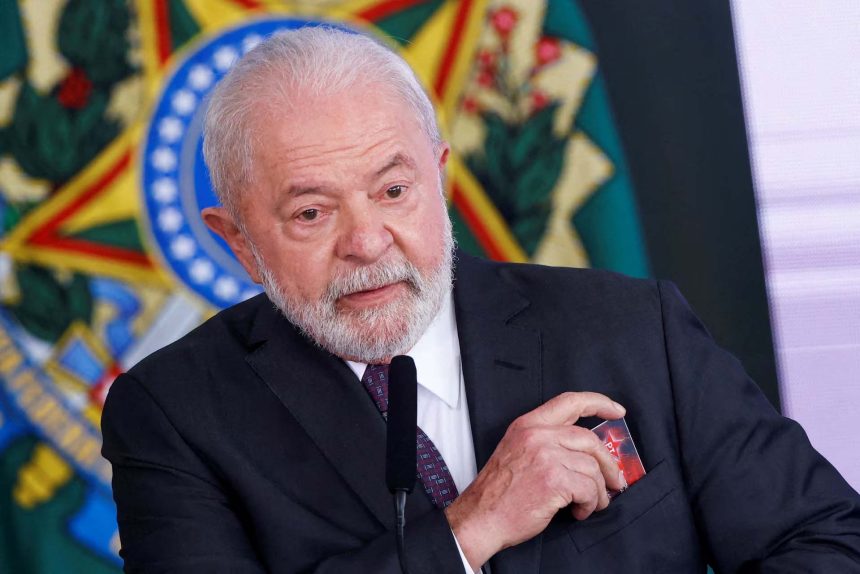
Brazilian President Luiz Inácio Lula da Silva has signed a provisional order banning sports betting and online casinos, days before the country’s presidential election, as he seeks a fourth term amid growing concerns over gambling addiction and household financial losses.
The announcement comes just over a week before the first round of voting, with Lula facing a closely contested race against Flávio Bolsonaro, the son of former President Jair Bolsonaro, who is currently incarcerated.
Lula signed the order on Friday, introducing a sweeping prohibition on online gambling activities that have expanded rapidly since the industry was legalised in Brazil in 2018.
The president described the industry as a “cancer” and warned that its continued growth posed a serious threat to Brazilian families.
“Either we remove the tumour, or it kills us,” Lula said, calling for urgent action to address the social and financial consequences of gambling addiction.
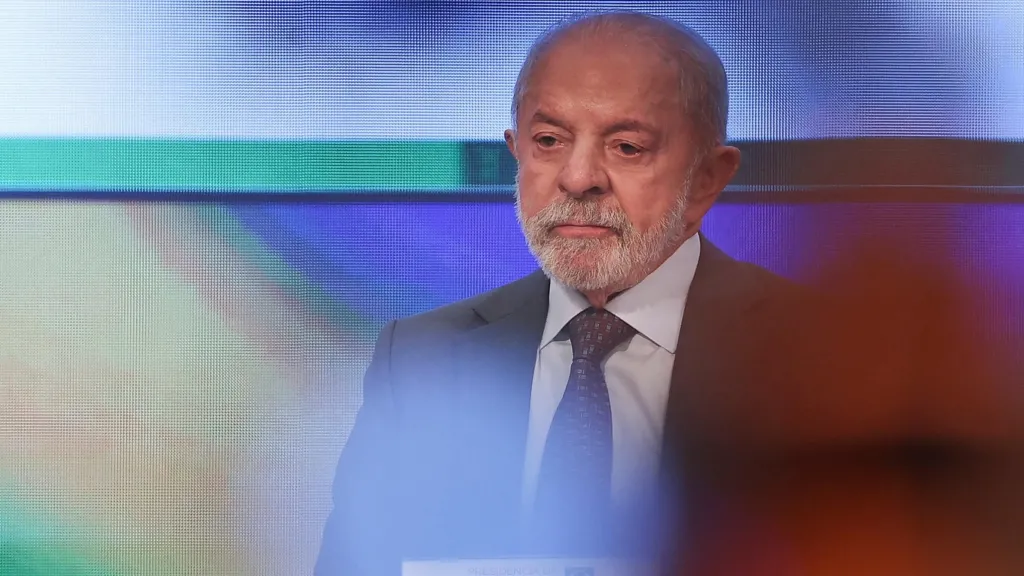
Government cites gambling addiction and financial hardship
The Brazilian government says the rapid expansion of online betting has contributed to rising household debt and financial difficulties among families.
Lula said he had received accounts from families who had sold household possessions to finance gambling activities, highlighting the impact of addiction on vulnerable communities.
The president also criticised the lack of effective safeguards, particularly measures designed to prevent children and adolescents from accessing online betting platforms.
“We won’t allow betting companies to profit at the expense of Brazilian families’ income and lives,” Lula said.
The president had raised the issue earlier in the week during his address to the United Nations General Assembly, where he accused betting companies of “transforming addiction into profit”.
The administration’s announcement also includes a separate legislative proposal to strengthen penalties for criminal offences associated with fixed-odds betting.
New restrictions and congressional approval
Under the provisional measure, new deposits into betting platforms are prohibited from the order’s publication. Existing customers are to be given an opportunity to withdraw their available funds, while operators are required to comply with restrictions on advertising and access to their platforms.
The measure is expected to require congressional approval within 120 days to remain in force. If lawmakers do not approve it within that period, it will lose its validity.
The government has also set out a timetable for the removal of betting advertisements and the eventual shutdown of websites and applications covered by the ban.
Although the sector was legalised in 2018, it subsequently expanded under Jair Bolsonaro’s government. Lula has argued that insufficient regulation allowed betting companies to grow without adequate protections for consumers.
Bolsonaro’s son criticises the decision
The announcement has drawn criticism from Lula’s presidential challenger, Flávio Bolsonaro, who described the crackdown as “populist, hypocritical and politically motivated” during a campaign rally in Rio de Janeiro on Friday, according to Reuters.
The dispute has added another dimension to an already closely contested presidential campaign, with the two candidates offering contrasting views on the government’s intervention in the betting industry.
Recent polling reported by Reuters indicates that Lula and Flávio Bolsonaro are closely matched in potential second-round scenarios. However, the results vary between pollsters and remain within their respective margins of error.
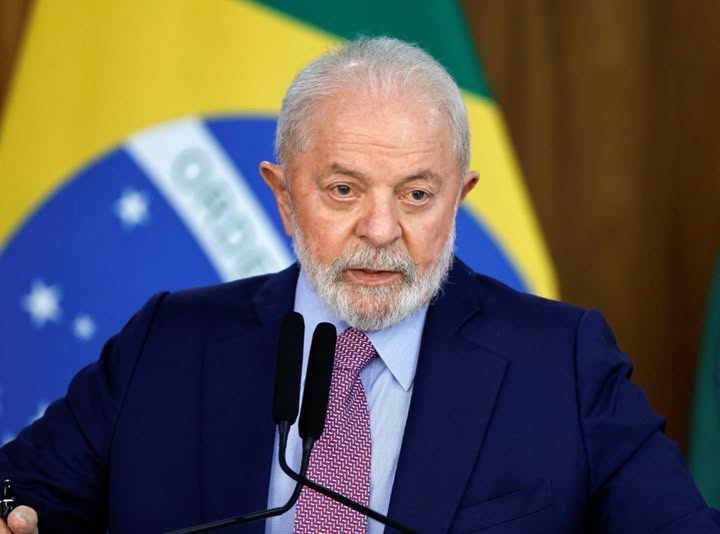
Public support for a gambling ban
The proposed restrictions appear to have considerable public support, according to a survey by Atlas and Bloomberg cited in the original report.
The survey found that approximately 59.9% of Brazilian adults supported banning internet betting, reflecting concerns about the financial and social consequences of gambling.
However, the policy also raises questions about the economic impact of shutting down a rapidly expanding industry, including potential losses in tax revenue and the effects on businesses and sports organisations that receive betting sponsorships.
With the election approaching, the provisional order is likely to remain a prominent issue in the campaign, as lawmakers consider whether to approve the restrictions and determine the future of online betting in Brazil.