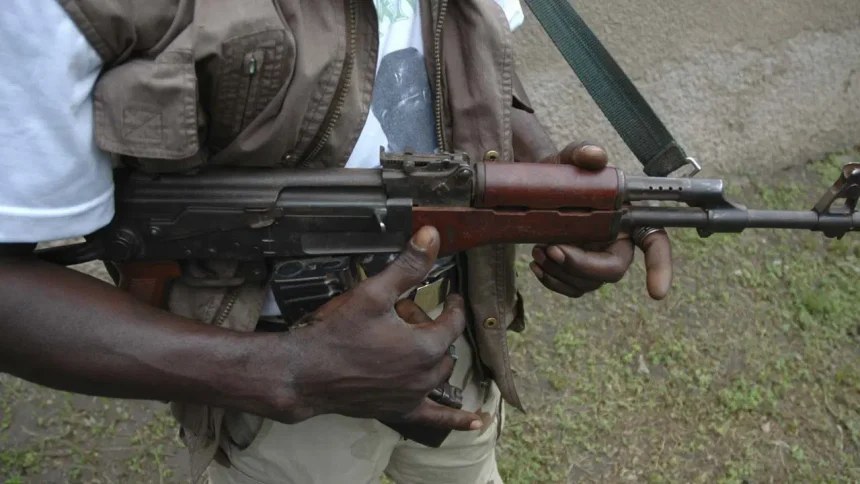
Nigeria’s worsening security crisis has come under renewed spotlight, with at least 137 terror and kidnapping incidents recorded across 34 states and the Federal Capital Territory (FCT) within just four weeks.
The alarming figures highlight the expanding reach of violence nationwide, cutting across regions previously considered relatively stable.
Worst-Hit States
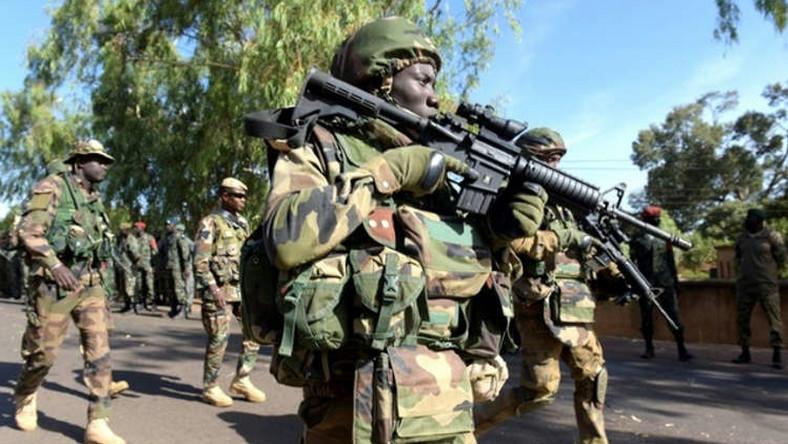
Data shows that Borno, Benue, and Ondo States emerged as the most affected, recording some of the deadliest attacks and highest number of incidents during the period.
From insurgent assaults in the North-East to mass killings in the North-Central and rising kidnappings in the South-West, the trend indicates that insecurity is no longer regional but a national emergency.
More Read

Notably, only Nasarawa and Jigawa States recorded zero incidents within the review period.
Nigeria’s Rising Terror Ranking
The surge aligns with findings from the Institute for Economics & Peace, which ranked Nigeria 4th globally in the Global Terrorism Index 2025.
-
Terror attacks increased by 43%
-
Incidents rose from 120 in 2024 to 171 in 2025
-
Boko Haram and ISWAP were identified as major drivers
-
67% of victims were civilians
Regional Breakdown of Attacks
North-East
-
Borno recorded the highest (19 incidents), including mass abductions and coordinated attacks
-
Yobe, Bauchi, Adamawa: 4 incidents each
-
Gombe: 3 incidents
-
Taraba: 2 incidents
North-West
-
Sokoto: 8 incidents
-
Katsina: 4
-
Zamfara & Kebbi: 3 each
-
Kano: 1 incident
North-Central
-
Benue: 10 incidents (mass killings in Kwande, Apa, Otukpo)
-
Niger: 7 incidents
-
Kogi: 6 incidents (highway attacks)
-
Plateau: 5 incidents
-
Kwara: 3 incidents (including deadly Kaiama attack)
-
FCT (Abuja): 8 incidents
South-East
-
Abia: 5 incidents
-
Imo, Enugu, Ebonyi: 4 each
-
Anambra: 3 incidents
South-South
-
Edo: 5 incidents
-
Rivers: 4 incidents
-
Bayelsa, Cross River: 2 each
-
Akwa Ibom, Delta: 1 each
South-West
-
Ondo: 10 incidents (worst-hit in region)
-
Oyo, Ekiti: 5 each
-
Osun: 2
-
Ogun: 1
-
Lagos: 1 unconfirmed case
Mass Killings and Major Attacks
Several incidents recorded exceptionally high casualties:
More Read

-
Borno State: Hundreds abducted in coordinated insurgent raids
-
Benue State: Over 70 killed in multiple attacks
-
Kwara State (Kaiama):
-
Over 200 residents reportedly killed
-
About 175 abducted
-
-
Zamfara State: Over 50 killed in a single attack
-
Niger State: Entire communities razed, dozens killed
Civilians remained the primary targets, especially in rural communities, highways, and farmlands.
Public Protests and Fear
Rising insecurity has triggered public outrage and protests:
-
In Oyo State, residents blocked major highways, including the Ibadan-Oyo Expressway
-
In Ondo State, communities displayed victims’ bodies in protests
-
In Benue, Niger, and South-East regions, residents are fleeing homes
In parts of the FCT, residents report constant threats and direct ransom demands from kidnappers.
Security Response Under Scrutiny
Security agencies have intensified operations:
-
Operation Hadin Kai repelled attacks in Borno and rescued victims
-
Reinforcements deployed in Niger and Kebbi States
-
Joint operations and arrests carried out in Ondo, Imo, and Abia
-
Rescue missions conducted in Abuja suburbs
However, many Nigerians say responses remain largely reactive, calling for:
-
Permanent military bases in vulnerable areas
-
Improved intelligence gathering
-
Stronger rural protection systems
A Nation Under Strain
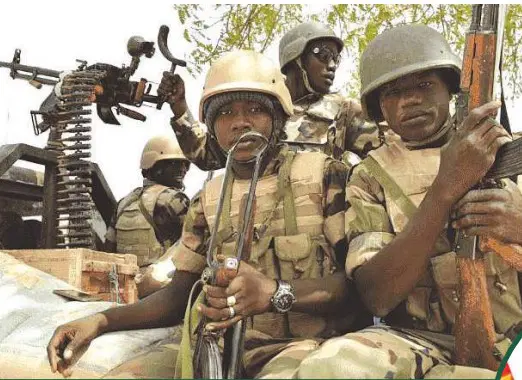
With 137 incidents in just four weeks, the data underscores a rapidly evolving and nationwide security crisis.
More Read

While a few states like Nasarawa and Jigawa recorded calm, the broader pattern suggests that insecurity has become deeply entrenched across Nigeria.
The situation raises urgent concerns about whether current security strategies are sufficient to tackle a threat that is no longer confined to any single region.