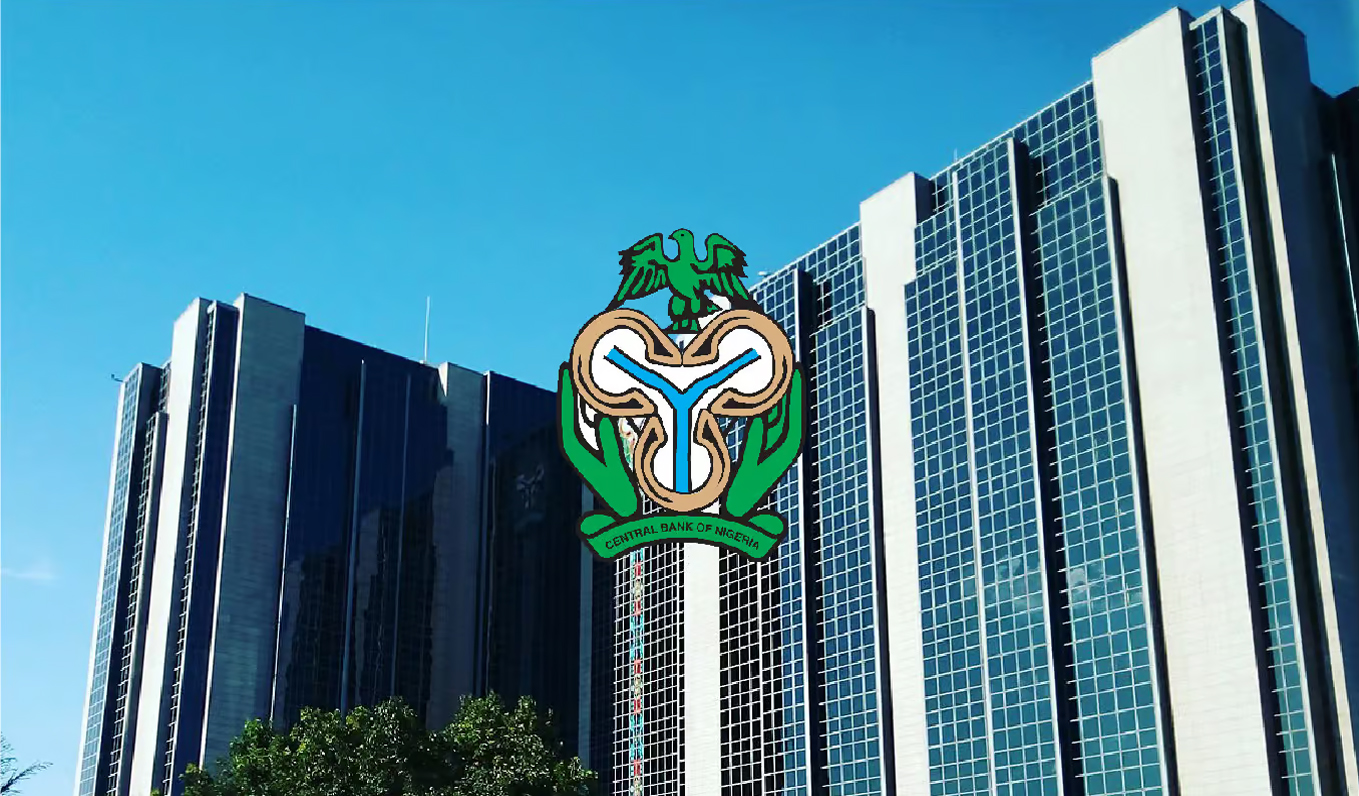
The Central Bank of Nigeria says the country’s net usable external reserves, which stood at just 859 million dollars in the second quarter of 2023, have risen to about 40 billion dollars under the current administration of the apex bank.
The disclosure was made by the CBN Deputy Governor in charge of Corporate Services, Dr. Muhammad Abdullahi, at the opening of the 38th Seminar of Finance Correspondents and Business Editors in Abuja.
Abdullahi said the 859-million-dollar position represented a significant challenge for the country, noting that it was less than a month’s import cover and reflected the severe pressures confronting Nigeria’s foreign exchange market at the time.

According to him, the current CBN administration inherited a highly fragmented foreign exchange market in 2023, with multiple exchange-rate windows operating alongside a large parallel market.
More Read
He said the gap between the official and parallel-market exchange rates averaged more than 60 percent in 2022 and exceeded 100 percent at certain points.
The CBN Deputy Governor said the World Bank had estimated that the implicit subsidy created by the exchange-rate system cost Nigeria about three percent of its Gross Domestic Product in 2022.
He further disclosed that outstanding foreign-exchange forward claims had risen to more than seven billion dollars, while declining capital inflows and uncertainty surrounding access to foreign exchange made it difficult for businesses to plan investments and meet their obligations.
More Read

Abdullahi said these challenges prompted the apex bank to embark on a series of reforms aimed at restoring transparency and stability to the foreign exchange market and strengthening the banking sector.
He explained that one of the first major steps came in June 2023, when the CBN consolidated the existing foreign-exchange windows and moved towards a willing-buyer, willing-seller framework.
The bank also removed restrictions that had prevented 43 categories of imports from accessing the official foreign exchange market and reviewed outstanding forward claims.
According to the Deputy Governor, valid claims were subsequently settled, helping to address a major source of uncertainty for businesses and investors.
Meanwhile, the Director of Banking Supervision at the CBN, Dr. Olubukola Akinwunmi, said the apex bank has also strengthened its supervision of Nigerian banks to safeguard the stability of the financial system.
Akinwunmi said the CBN had tightened its supervisory framework to prevent developments that could undermine the stability of banks and their capacity to support economic activities.

He disclosed that Nigerian banks are now restricted from investing more than 10 percent of their shareholders’ funds in offshore subsidiaries.
The Director of Banking Supervision explained that the regulation was not introduced by the current CBN administration but had existed previously and was not being implemented with sufficient diligence.
The CBN officials said the reforms remain part of broader efforts to strengthen the financial system, restore confidence in the foreign exchange market and ensure that the banking sector remains capable of supporting Nigeria’s economic growth.