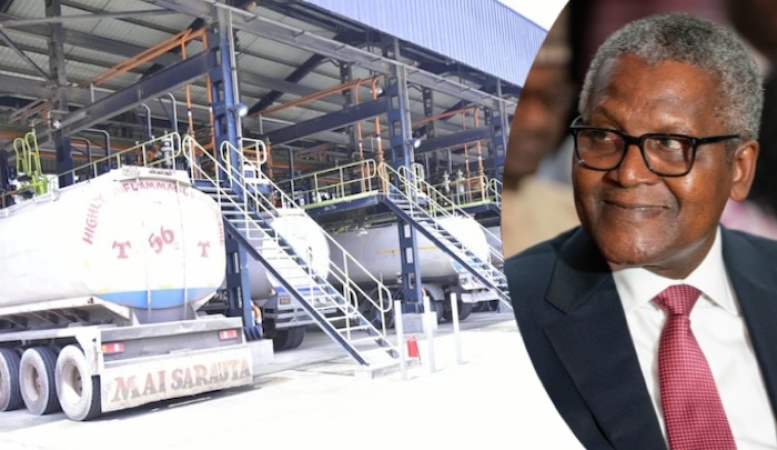
Lagos, Nigeria — Africa’s largest oil refinery, the Dangote Petroleum Refinery, is rapidly emerging as a critical stabilizing force across the continent as fuel and fertilizer shortages deepen amid global supply disruptions linked to tensions involving Iran.
During a recent visit to the sprawling Lagos-based facility, billionaire industrialist Aliko Dangote projected confidence in the refinery’s growing role, revealing that the plant is now operating at full capacity of 650,000 barrels per day. According to him, the refinery is not only meeting domestic demand but is increasingly supplying petroleum products to countries across West, Central, and even parts of East Africa.
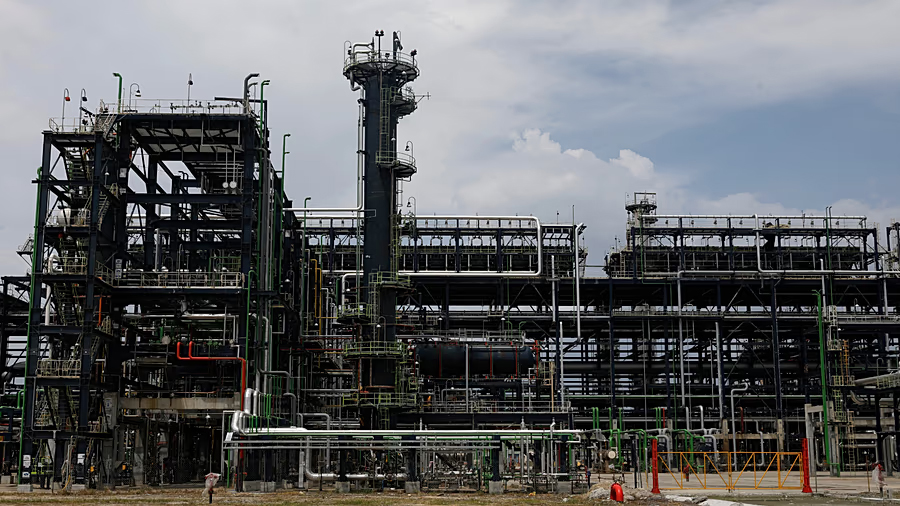
“We are now serving a much wider African market than initially planned,” Dangote said, noting that the refinery has already exported about 17 cargoes of gasoline to other African nations.
The surge in regional demand comes at a time when many African countries are grappling with fuel shortages caused by disrupted global supply chains and rising crude oil prices. The Dangote refinery, one of the most ambitious industrial projects on the continent, is stepping in to bridge that gap, marking a significant shift toward intra-African energy trade.
More Read

At the same time, the company is ramping up exports of urea fertiliser, a critical input for agriculture. With a production capacity of up to 3 million metric tons annually, the plant has historically exported most of its fertiliser to markets in the United States and South America. However, Dangote disclosed that a growing share is now being redirected to African countries facing acute shortages.
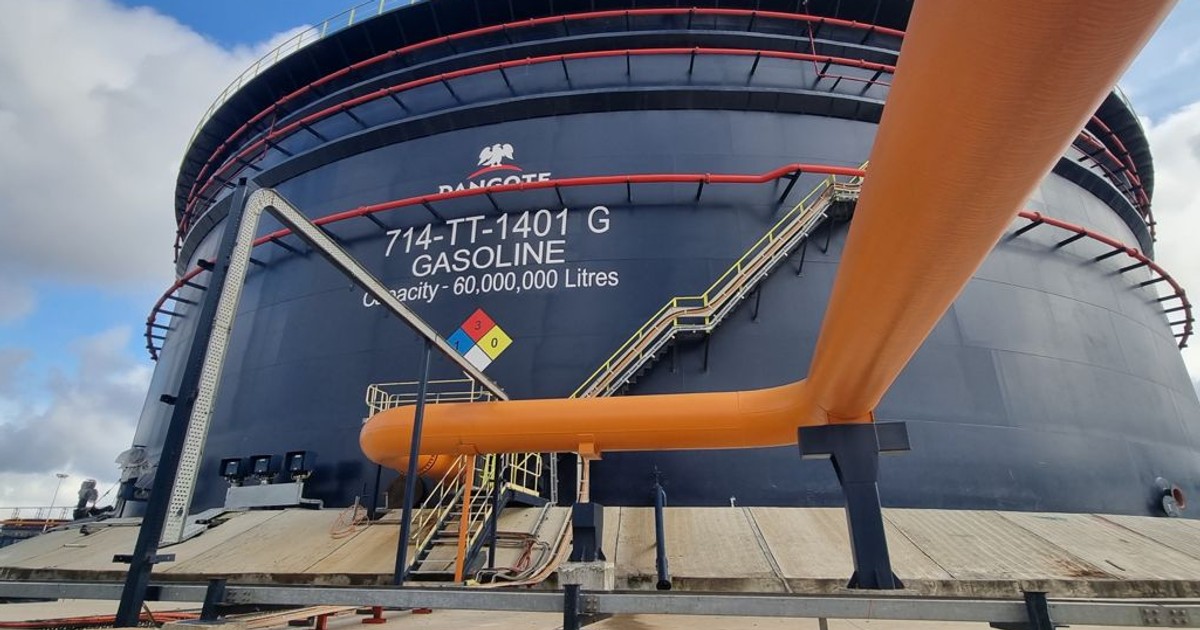
Despite the refinery’s rising output and expanding footprint, the benefits have yet to translate into lower fuel prices at home. Petrol prices in Nigeria continue to climb to record highs, driven largely by elevated global crude oil prices and foreign exchange pressures.
More Read

Industry analysts note that while local refining reduces dependence on imports, the cost of crude oil — still largely priced in dollars at international rates — remains a major determinant of domestic fuel prices.
Dangote acknowledged the challenge, suggesting that sourcing more crude locally and pricing it in naira could help ease the burden on Nigerian consumers. Such a move, he argued, would reduce exposure to exchange rate volatility and potentially lower pump prices.
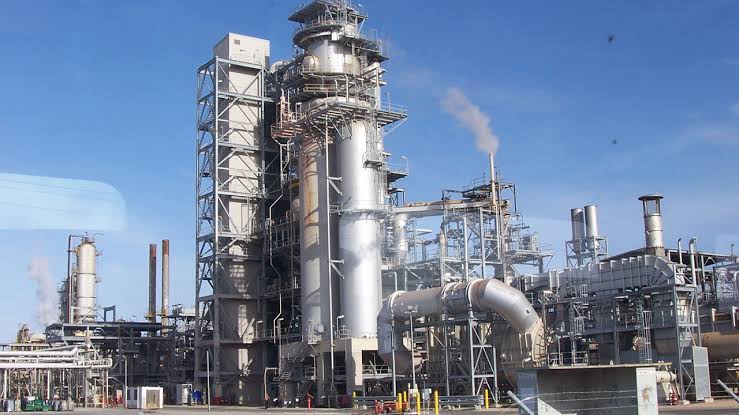
Meanwhile, Nigeria’s state-owned oil company is reportedly increasing crude allocations to the refinery, a sign of growing institutional support as the facility becomes central to both national and regional energy security.
As global uncertainties continue to strain supply chains, the Dangote refinery’s expanding role underscores a pivotal moment for Africa — one where the continent begins to rely more on its own industrial capacity to navigate external shocks.