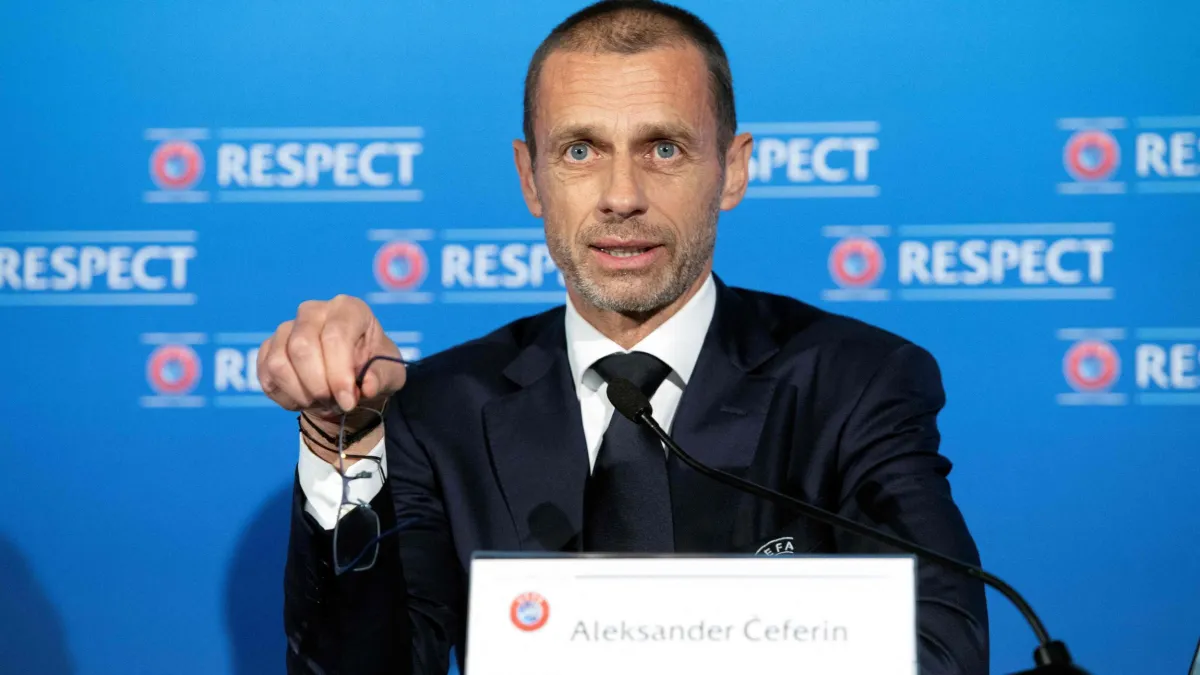
Italy’s role as co-host of the UEFA Euro 2032 tournament is under serious threat, with UEFA president Aleksander Ceferin issuing a stark warning about the country’s aging and inadequate stadium infrastructure.
In an interview published Thursday by Gazzetta dello Sport, Ceferin did not mince words, describing Italy’s football facilities as “some of the worst in Europe.” He stressed that while the tournament itself is not in doubt, Italy’s participation as a host nation is far from guaranteed.
“Euro 2032 is scheduled and will take place, of that there is no doubt,” Ceferin said. “I just hope that the infrastructure in Italy will be ready. If that’s not the case, the tournament will not be held in Italy.”
Italy is set to co-host the competition alongside Turkey, but concerns are mounting over whether the country can meet UEFA’s strict infrastructure deadlines. By October, Italian authorities must select five host stadiums from 11 candidate cities, including Rome, Milan, Naples, Turin, and Florence. Crucially, construction or renovation work on the selected venues must begin by March 2027.
More Read

At present, only Juventus’ Allianz Stadium in Turin is considered fully ready for a major international tournament. Several other projects are in various stages of development. Inter Milan and AC Milan are planning a new 71,500-seat stadium to replace San Siro by 2031, though the project is currently under investigation over alleged bid-rigging in the land sale.
Elsewhere, Roma have received approval to build a new stadium in the capital, while Fiorentina’s Stadio Artemio Franchi is undergoing redevelopment. In Naples, city officials recently unveiled a €200 million renovation plan for the Stadio Diego Armando Maradona, aimed at modernizing the venue regardless of Euro 2032 requirements.
More Read

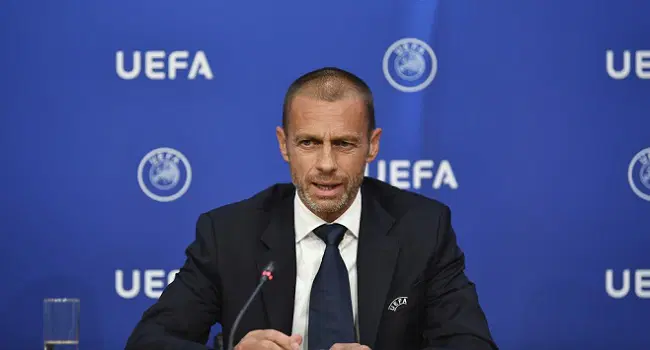
Beyond infrastructure, Ceferin pointed to deeper systemic issues, blaming strained relations between football authorities and political institutions for the slow progress.
“Maybe Italy’s politicians should ask themselves why the football infrastructure is among the worst in Europe,” he added, emphasizing that governance challenges remain a major obstacle.
With the clock ticking and scrutiny intensifying, Italy faces mounting pressure to modernize its stadiums or risk losing its place on one of football’s biggest stages.