The conflict between Israel and the Lebanese militant group Hezbollah has taken a dangerous new turn, with Israel ramping up military operations in southern Lebanon.
The Israeli military has announced a “wide wave of strikes” targeting Hezbollah infrastructure, signaling plans for a broader and more sustained ground offensive. Chief of Staff Eyal Zamir described the campaign as the beginning of a prolonged operation, with forces being positioned for a coordinated advance involving both ground troops and air power.
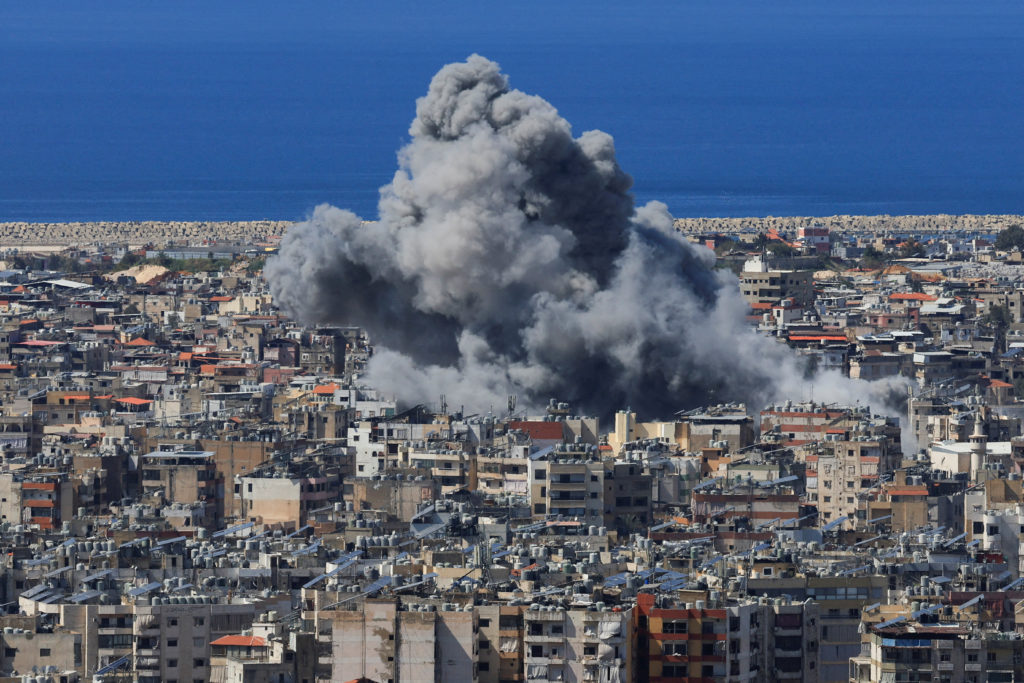
As part of the escalation, Israeli strikes hit key bridges over the Litani River, which officials say were being used by Hezbollah fighters to transport weapons and personnel.
Lebanese authorities report severe damage to infrastructure, including a major bridge near the city of Tyre.
More Read

Reacting to the attacks, Lebanese President Joseph Aoun condemned the strikes as a “flagrant violation” of national sovereignty, warning that the destruction of vital infrastructure could signal preparations for a wider ground invasion.
The latest escalation follows weeks of intense fighting that began in early March, when Hezbollah launched rockets into Israel, prompting retaliatory strikes and cross-border clashes.
Since then, both sides have exchanged heavy fire. Israeli forces have conducted incursions into southern Lebanon, while Hezbollah continues targeting Israeli troops and border communities.
More Read

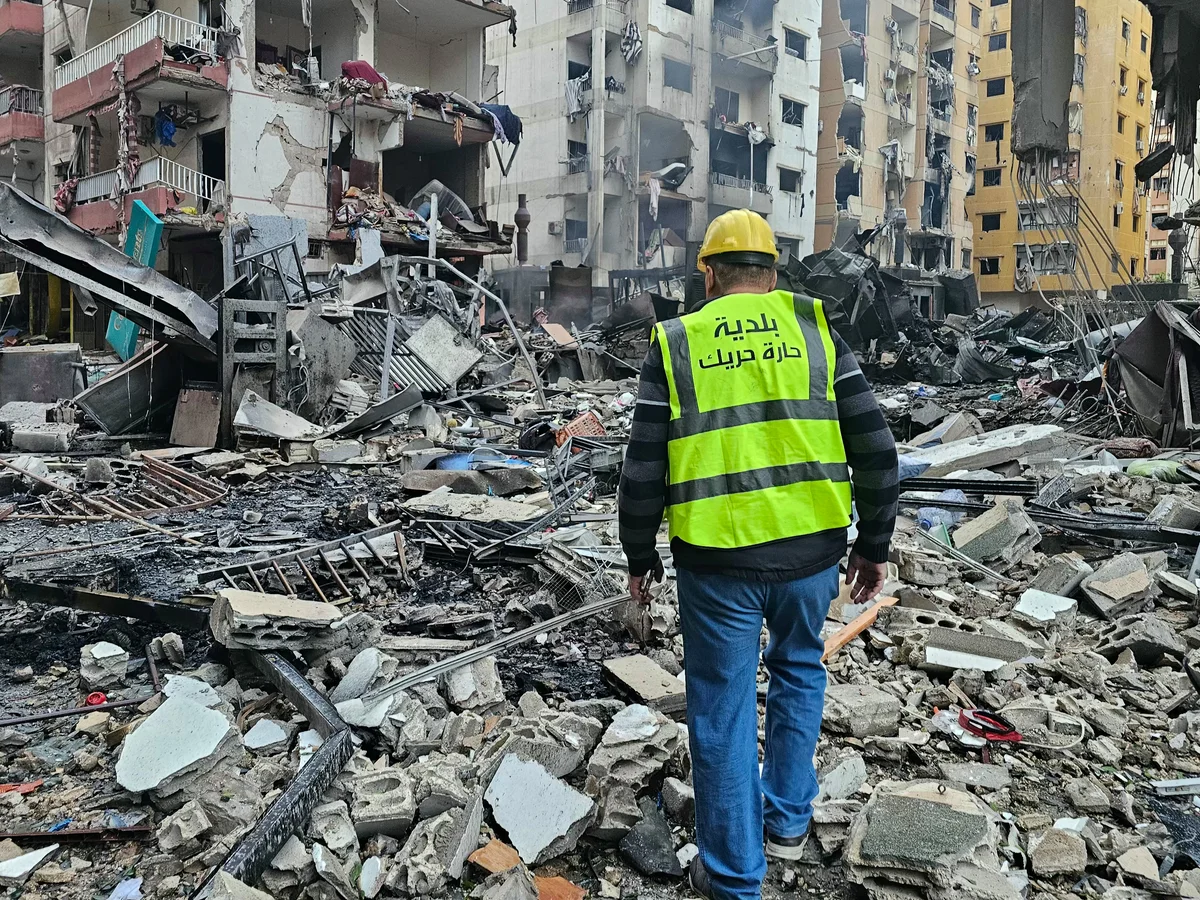
The humanitarian toll is rising rapidly. Lebanese officials say over 1,000 people have been killed, with more than one million displaced in just three weeks of fighting. Israel has also reported military and civilian casualties due to ongoing rocket attacks.
Israel has now issued evacuation warnings to residents in parts of southern Lebanon, stating plans to establish a buffer zone along the border to protect northern communities.
As international calls for restraint grow louder, concerns are mounting that the conflict could spiral into a wider regional war.