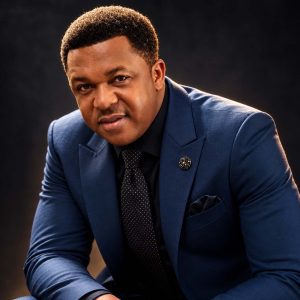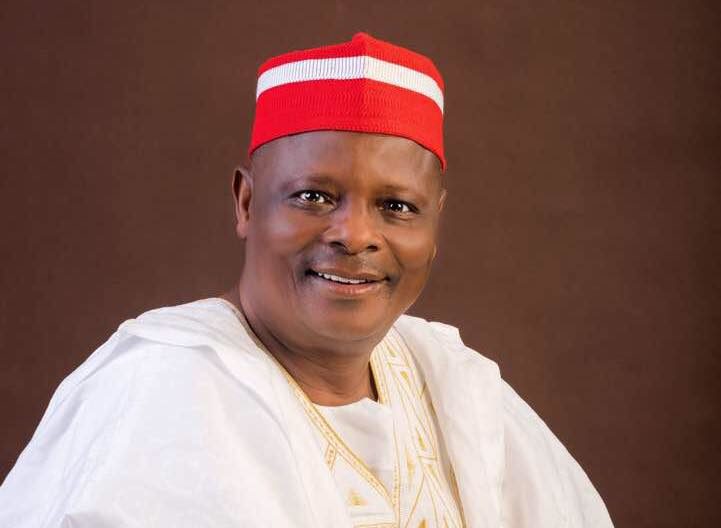
The vice-presidential candidate of the Nigeria Democratic Congress (NDC), Rabiu Musa Kwankwaso, has said the party may restore the petrol subsidy if elected in 2027, promising to explore measures to reduce fuel prices and ease the economic burden on Nigerians.
Kwankwaso, a former governor of Kano State, made the disclosure on Thursday during an interview on Channels Television’s Politics Today, where he acknowledged the continuing economic difficulties many Nigerians face following the removal of the petrol subsidy.
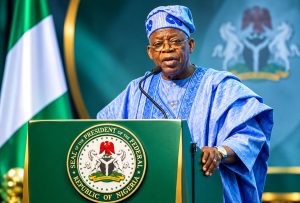
The subsidy was removed by President Bola Tinubu on May 29, 2023, during his inauguration, a decision that has been followed by increased fuel costs and rising pressure on households, businesses and transportation operators.
Speaking on the policy, Kwankwaso said Nigerians had yet to recover from the economic shock associated with the decision, arguing that the cost of energy remained a major concern requiring urgent attention.
“We have seen the implication of removing the subsidy from day one in the country till today. Up till now, I think nobody has recovered from that shock of removing the subsidy on that day,” he said.
More Read

The NDC vice-presidential candidate maintained that reducing the cost of energy would be a priority for the party, adding that tackling corruption in the oil sector should form part of efforts to make fuel more affordable.
He explained that the party had considered the country’s economic challenges and the experiences of its leading figures, including its presidential candidate, Peter Obi, and former Bayelsa State Governor Seriake Dickson, in shaping its position on the economy.
“Our collective position now is that the price of energy in this country is too high,” Kwankwaso said.
More Read

He added that the party would consider all necessary options to bring down fuel prices, including the possible reintroduction of the subsidy.
“And our position is we are going to do whatever is necessary to ensure that the price of fuel in this country is taken back, including doing whatever we can, including the subsidy,” he stated.
Obi, Atiku Also Back Subsidy Restoration
Kwankwaso’s comments come amid growing debate among political aspirants over the future of Nigeria’s petrol subsidy ahead of the 2027 general elections.
In September, Obi reportedly expressed support for restoring the subsidy if elected president, but stressed that corruption must first be addressed.
Speaking at the Nigerian Bar Association’s 2026 conference in Port Harcourt, Rivers State, Obi argued that concerns over the alleged mismanagement of savings from subsidy removal under the current administration were not, on their own, sufficient grounds for reinstating the policy.
More Read
Other presidential hopefuls have also proposed measures to reduce petrol prices or reverse the subsidy removal.
Donald Duke, the presidential candidate of the Peoples Redemption Party, said earlier this month that he would seek to reduce petrol prices to approximately ₦300 per litre if elected in 2027.
Similarly, former Vice-President Atiku Abubakar, the presidential candidate of the African Democratic Congress, pledged in August to restore the petrol subsidy if elected.
Subsidy Debate Set to Feature in 2027 Campaigns
The renewed calls for subsidy restoration place fuel pricing and the broader cost of living among the economic issues likely to feature prominently in discussions ahead of the 2027 elections.
While supporters of subsidy removal have pointed to the potential benefits of ending government spending on the policy, critics have highlighted the immediate impact of higher fuel prices on transportation, food costs, business operations and household purchasing power.
The proposals by Kwankwaso, Obi and Atiku raise questions about how a future administration might balance affordable energy with the cost of government intervention, the management of public funds and the need to tackle corruption in the petroleum sector.
For the NDC, Kwankwaso’s remarks signal a willingness to reconsider the existing fuel pricing framework if the party wins the 2027 election. However, the details of any proposed subsidy arrangement, including its funding, implementation and safeguards against abuse, remain important considerations in assessing how such a policy could work.
As political parties begin to articulate their economic positions, Nigerians will be watching for clearer proposals on how the presidential contenders intend to reduce fuel costs, address inflationary pressures and improve living standards.