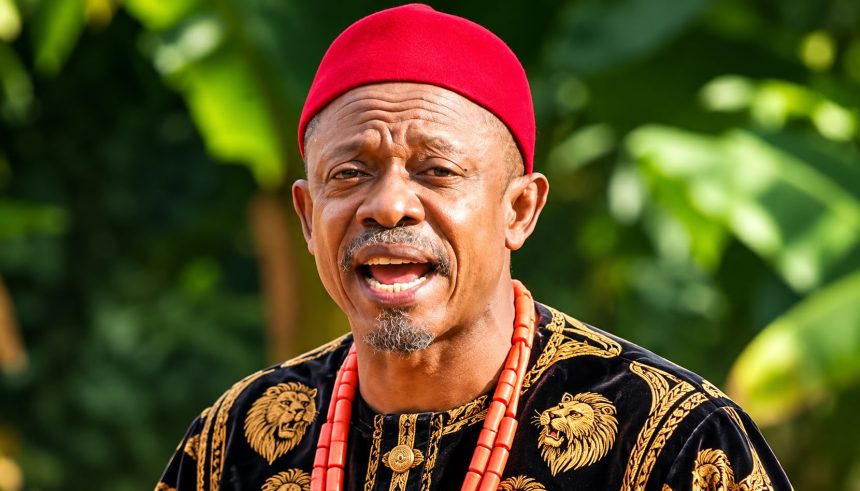
Veteran Nollywood actor, Nkem Owoh, popularly known as Osuofia, has clarified his position on the origins of Nigeria’s film industry, insisting that while Yoruba filmmakers pioneered home-video productions in the country, they did not start Nollywood.
The legendary actor made the clarification during an appearance on Curiosity Made Me Ask, a popular interview programme hosted by comedian and content creator Adebayo Abidemi, popularly known as Bae U.
The interview, published on the host’s YouTube channel on Saturday, featured Owoh addressing reports suggesting that he had claimed the Yoruba people, rather than the Igbo, were responsible for starting Nollywood.

Responding to the controversy, Owoh dismissed the interpretation of his earlier comments, explaining that the term Nollywood did not exist when filmmakers initially began producing home videos in Nigeria.
More Read

According to the actor, the people involved in the early development of the industry worked together, exchanging ideas and making collective efforts towards establishing what would eventually become known as Nollywood.
“First of all, you have given me this wrong accusation that I said, Yoruba started Nollywood. No. Yoruba started this film on… when did Nollywood come out? When we started the thing, there was no Nollywood as a name,” Owoh explained.
He further stated that the name Nollywood was eventually adopted after discussions among those involved in the industry.
More Read

“We sat together and we’re banding, you know, ideas and all that, how the thing is going to come to fruition. And eventually, we chose Nollywood,” he added.
Owoh Credits Yoruba Filmmakers for Popularising Home Videos
Although he rejected the claim that Yoruba filmmakers started Nollywood, Owoh acknowledged their significant contributions to the development and popularisation of Nigeria’s home-video industry.
He specifically mentioned legendary filmmaker and theatre pioneer Hubert Ogunde, alongside Adebayo Papa, as personalities whose productions he admired.
The actor maintained that Yoruba filmmakers played an important role in making home-video productions popular among Nigerian audiences.
“So, Yoruba started the thing. They made the thing very popular home video and all that. Yes, they did. And I’ve said it several. Okay. Ogunde and Adebayo Papa. These are the people I love to watch their thing,” he said.
During the conversation, the interviewer jokingly suggested that Hubert Ogunde was Igbo, but Owoh immediately disagreed, insisting that the late filmmaker was Yoruba.
More Read

“Ogunde is not Igbo. I’m telling you that Yoruba started it. When Ogunde was out, I don’t think there was any Igbo man who was that popular in that,” he stated.
Summarising his position, the veteran actor made a clear distinction between the origins of home-video productions and the emergence of Nollywood as an industry.
“The Yoruba did not start Nollywood. They started Home video,” Owoh declared.
The Historical Contributions of Yoruba and Igbo Filmmakers
The debate surrounding the origins of Nollywood has remained a subject of discussion among filmmakers, historians and entertainment enthusiasts, particularly regarding the contributions of Nigeria’s major ethnic groups.
Historical accounts of Nigerian cinema trace the roots of Yoruba filmmaking to travelling theatre groups led by influential personalities such as Hubert Ogunde and Duro Ladipo.
Their theatrical productions eventually evolved into film and video productions, establishing a strong foundation for indigenous Nigerian storytelling long before the commercial home-video boom of the 1990s.
However, the emergence of modern commercial direct-to-video filmmaking is widely associated with the 1992 Igbo-language film Living in Bondage, produced by Kenneth Nnebue.
The groundbreaking production became a major commercial success and helped popularise the direct-to-video distribution model, which played a significant role in the expansion of the Nigerian film industry.
The success of Living in Bondage is widely regarded as a major turning point in the development of what would later become internationally recognised as Nollywood.
Over the years, filmmakers, actors, producers and entrepreneurs from different ethnic backgrounds have contributed to the industry’s growth, shaping its identity and expanding its reach beyond Nigeria.
Debate Over Who Built Nollywood Continues
Owoh’s latest clarification has added another perspective to the longstanding conversation about the origins and development of Nigeria’s film industry.
The debate gained renewed attention in August 2026 following comments by late veteran actor Francis Duru, who argued that the Igbo played a major role in building Nollywood, particularly during the commercial home-video revolution of the 1990s and early 2000s.
Duru also suggested that Yoruba filmmakers had gained greater dominance in the industry partly because of their organisational abilities and effective promotion of their productions.
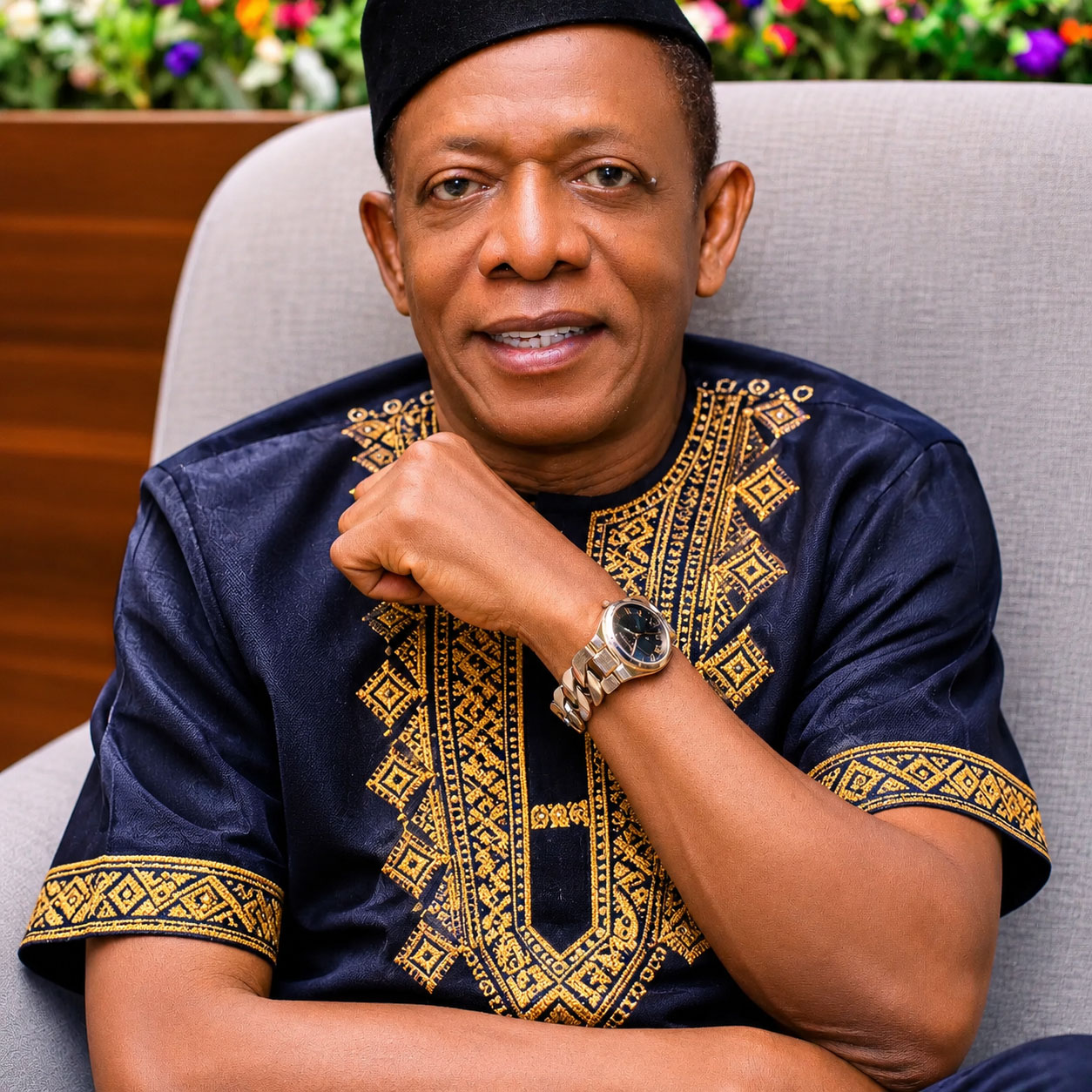
The actor, who died in October 2026, had attributed much of the growth of the modern home-video industry to Igbo entrepreneurs and filmmakers.
With Owoh’s latest remarks, the distinction between the pioneering contributions of Yoruba theatre and home-video practitioners and the commercial breakthrough associated with Igbo-led productions has once again become a central point of discussion.
Ultimately, the evolution of Nollywood reflects the combined contributions of filmmakers and industry practitioners from different parts of Nigeria, whose creativity, investments and entrepreneurial efforts helped transform local productions into one of Africa’s most recognised film industries.