Paris, France — French health authorities have confirmed the country’s first case of Ebola, involving a doctor who recently returned from a humanitarian mission in the Democratic Republic of the Congo (DR Congo), raising fresh concerns as Central Africa battles one of its most significant Ebola outbreaks in recent years.
According to France’s Ministry of Health, the doctor was immediately admitted to a specialized treatment facility upon diagnosis and is currently in stable condition. Officials emphasized that the risk to the French population remains “very low” and assured the public that strict containment measures have been activated.
The case marks the first confirmed Ebola infection in Europe connected to the ongoing outbreak in DR Congo. Health authorities have launched an extensive contact-tracing operation to identify and monitor anyone who may have been exposed to the infected doctor before isolation.
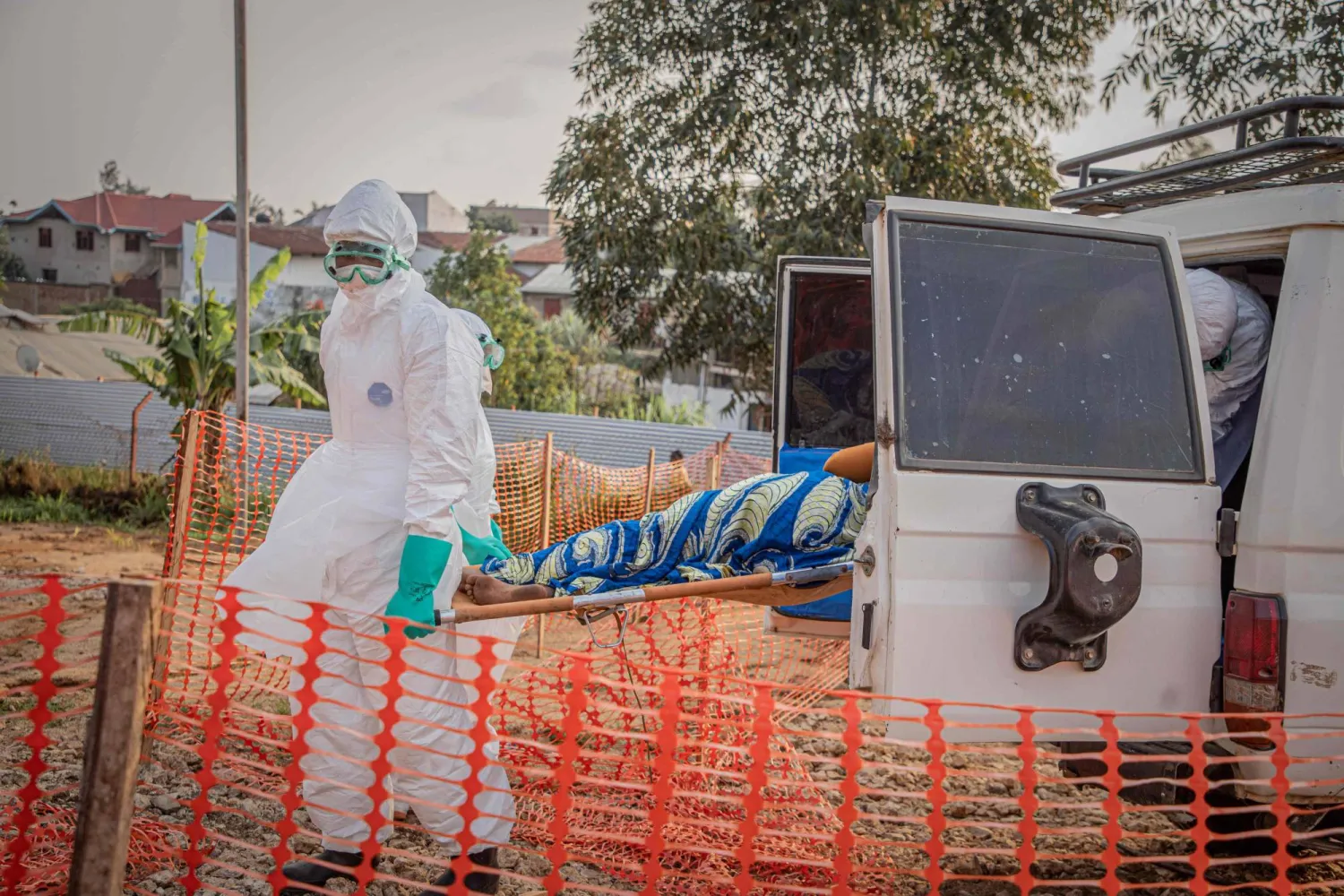
The outbreak in DR Congo was officially declared last month, although health experts believe the virus had been circulating undetected for several weeks before it was identified. Since then, more than 1,000 people have been infected, while over 260 deaths have been recorded, making it one of the most serious Ebola outbreaks in recent history.
More Read

The World Health Organization (WHO) has expressed concern over the rapid spread of the virus, particularly in the eastern provinces of Ituri, North Kivu, and South Kivu. Ituri Province remains the epicenter of transmission, accounting for more than 90 percent of confirmed cases.
Neighboring Uganda has also reported Ebola infections linked to the outbreak, with authorities confirming 20 cases and two deaths. The cross-border spread has heightened regional surveillance efforts as governments work to prevent further transmission.
Healthcare workers continue to face the greatest risk. WHO recently reported that 75 medical personnel had contracted Ebola during the current outbreak, with 17 fatalities among them. The infected French doctor is believed to have been exposed while providing humanitarian assistance in affected communities.

Unlike previous Ebola outbreaks, the current epidemic is being driven by the Bundibugyo strain of the virus, for which no approved vaccine currently exists. This has complicated response efforts and increased concerns among international health agencies.
In response to the growing crisis, France has established a dedicated monitoring system for humanitarian workers and medical personnel returning from DR Congo. Officials say the system is designed to detect infections early and prevent any possibility of community transmission.
Despite the confirmed case, health experts stress that Ebola is not an airborne disease and spreads primarily through direct contact with the bodily fluids of an infected person. Rapid isolation, strict infection-control protocols, and effective contact tracing significantly reduce the risk of widespread transmission.
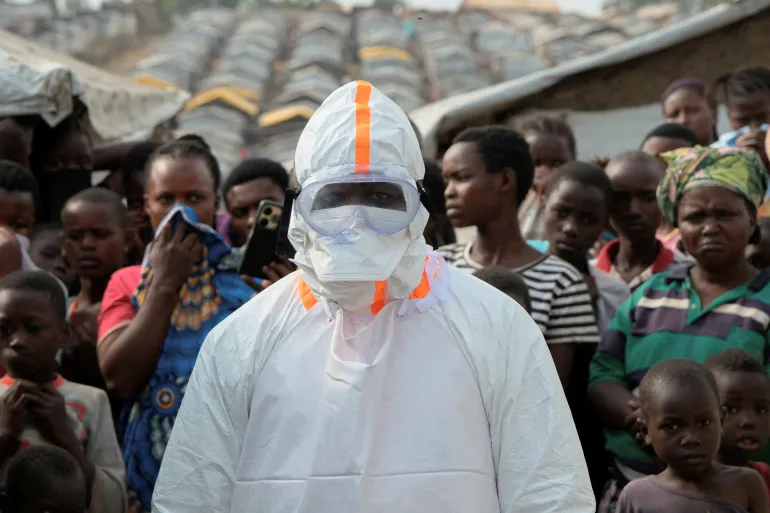
Africa’s Centres for Disease Control and Prevention (Africa CDC) and U.S. public health authorities have warned that the current outbreak has the potential to become one of the largest Ebola epidemics ever recorded if containment measures fail to keep pace with the virus’s spread.
As health agencies intensify efforts across Central Africa and Europe, global attention remains focused on preventing the outbreak from escalating further while ensuring that frontline healthcare workers receive the protection and resources needed to combat the deadly disease.