Uganda’s parliament has passed a controversial new law that critics warn could be used to stifle dissent and tighten control over civil society, despite last-minute changes intended to soften its impact.
The “Protection of Sovereignty Bill” was approved late Tuesday after a tense and often heated parliamentary session. Lawmakers backed amendments removing a highly criticised provision that would have classified Ugandans living abroad as “foreigners.” The revised bill also exempts certain sectors — including medical, academic, and faith-based institutions — from restrictions tied to foreign funding.
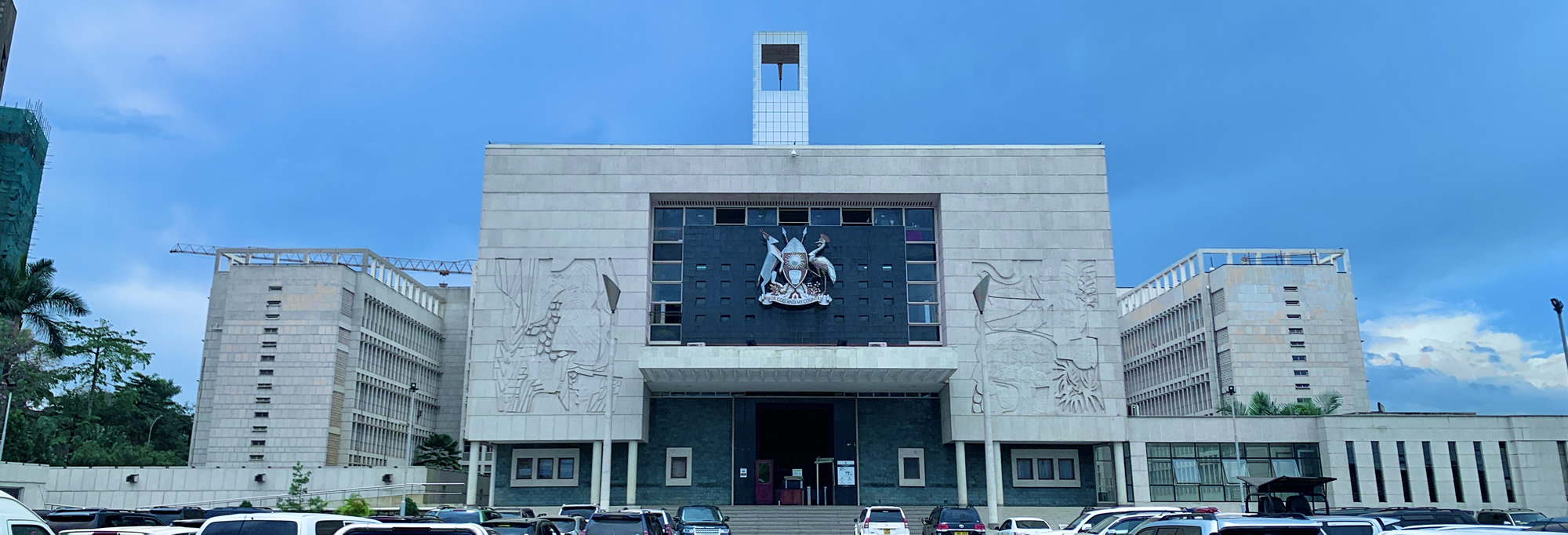
Even with those concessions, the legislation has drawn strong backlash. It criminalises actions considered to promote “the interests of a foreigner against those of Uganda” and labels individuals or organisations receiving foreign support as “agents of foreigners.” Convictions under the law could result in prison sentences of up to 20 years.
Speaker of Parliament Anita Among praised the bill as a milestone, calling it “historic” and framing it as a necessary step to protect Uganda’s sovereignty. Supporters argue the law will shield the country from undue external influence and preserve its political independence.
More Read

Proponents further insist the measure is about strengthening national self-governance, noting that it bars designated “agents” from participating in political activities linked to foreign interests.
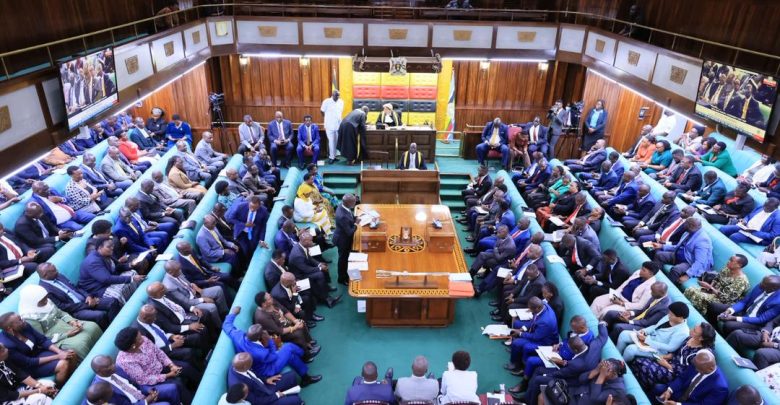
However, opposition figures, rights organisations, and sections of the business community say the bill’s broad and ambiguous language could be weaponised against activists, journalists, and non-governmental organisations.
More Read

Human Rights Watch warned that the legislation risks deepening restrictions on civic space, arguing that its provisions resemble “foreign agent” laws used in countries such as Russia to suppress dissent.
Opposition MP Gilbert Olanya cautioned that the law could have economic consequences, potentially discouraging foreign investment and creating a hostile regulatory environment for organisations operating in the country. His calls for the bill to be withdrawn were overwhelmingly rejected by the majority.
The move comes under the long-standing leadership of President Yoweri Museveni, who has ruled Uganda for nearly four decades. His government has frequently faced criticism from both domestic and international observers over alleged authoritarian practices and the suppression of political opposition.
As the bill awaits implementation, attention is likely to turn to how broadly its provisions will be interpreted — and whether fears of a wider crackdown on dissent will materialise.