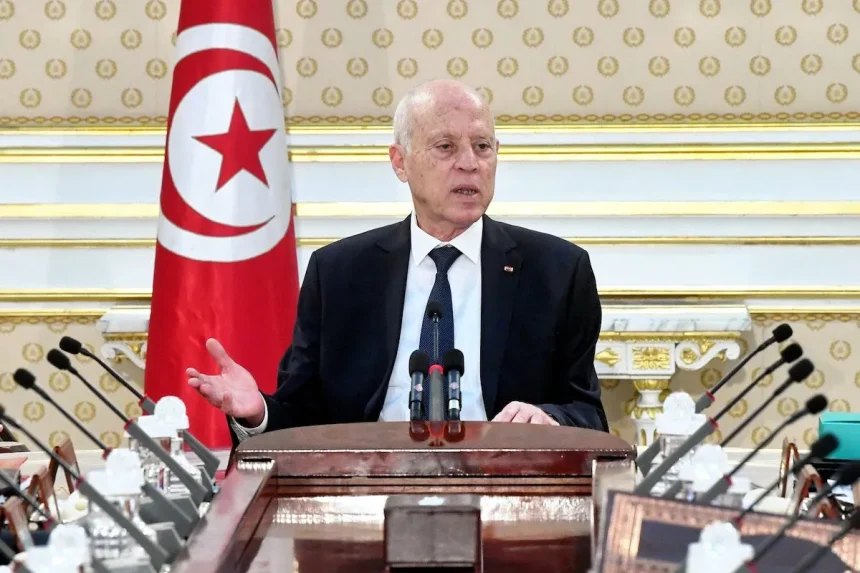
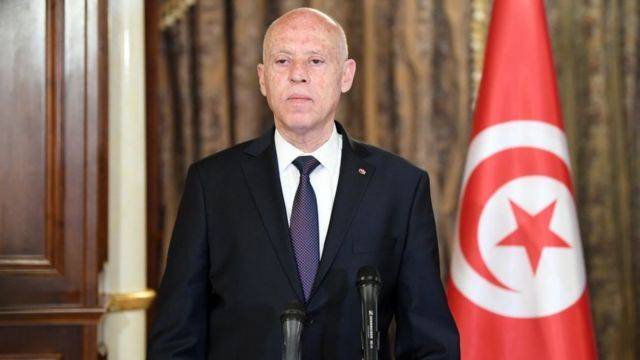
Tunisian President Kais Saied has dismissed Energy and Industry Minister Fatma Thabet Chiboub in a sudden move that comes amid mounting criticism over proposed renewable energy agreements with foreign firms.
The presidency announced the decision on Tuesday in a brief statement that provided no explanation. The dismissal comes just ahead of a parliamentary session set to review a series of contentious draft laws governing renewable energy concessions.
The proposed legislation would allow foreign companies to install solar panels in Tunisia and exploit the energy produced for up to 20 years, with an option to renew contracts for an additional decade. Notably, the agreements include tax exemptions for the first five years. The electricity generated would be sold to Tunisia’s state-owned electricity and gas utility, STEG.
Government officials have defended the proposals, saying they are essential to strengthening Tunisia’s energy independence, ensuring stable supply, and reducing production costs. The country currently relies heavily on imported energy, a dependency that has placed increasing pressure on public finances due to subsidies on fuel, electricity and gas.
More Read

According to State Secretary for Energy Transition Wael Chouchane, renewable sources accounted for about nine percent of Tunisia’s energy mix as of April. The government aims to raise that figure to 35 percent by 2030.
Authorities recently unveiled plans for nearly $600 million in solar investments, expected to generate 600 megawatts of power—roughly a quarter of the nation’s annual consumption. The projects are set to be developed בעיקר in underprivileged regions in central and southern Tunisia, areas known for high solar potential but limited economic growth.
However, the initiative has sparked a wave of opposition from labor unions and lawmakers. The powerful UGTT trade union warned that the deals risk deepening Tunisia’s dependence on foreign entities and undermining national sovereignty. It has called for more balanced and equitable partnerships between STEG and international investors.
More Read

Some members of parliament have gone further in their criticism. MP Bilel El Mechri described the proposals as a form of “energy colonisation” and welcomed the minister’s dismissal, urging that she be held accountable for what he called a compromise of national interests.
Following Chiboub’s removal, Housing Minister Salah Eddine Zouari has been tasked with overseeing the energy portfolio on an interim basis.
The political shake-up underscores growing tensions within Tunisia over how best to navigate the transition to renewable energy while safeguarding economic sovereignty, as lawmakers prepare for a heated debate on the future of the country’s energy strategy.