Madagascar has expelled a French diplomat over alleged involvement in destabilization activities, in a move that underscores escalating tensions between the Indian Ocean island nation and its former colonial ruler, France.
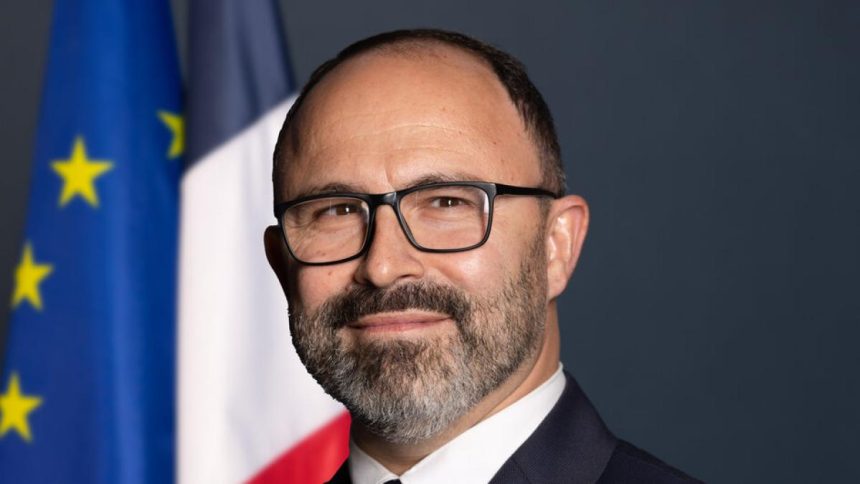
Authorities summoned French Ambassador Arnaud Guillois before declaring an embassy staff member persona non grata, effectively ordering their immediate departure. While officials stopped short of detailing the accusations, the decision signals a sharp deterioration in diplomatic relations.
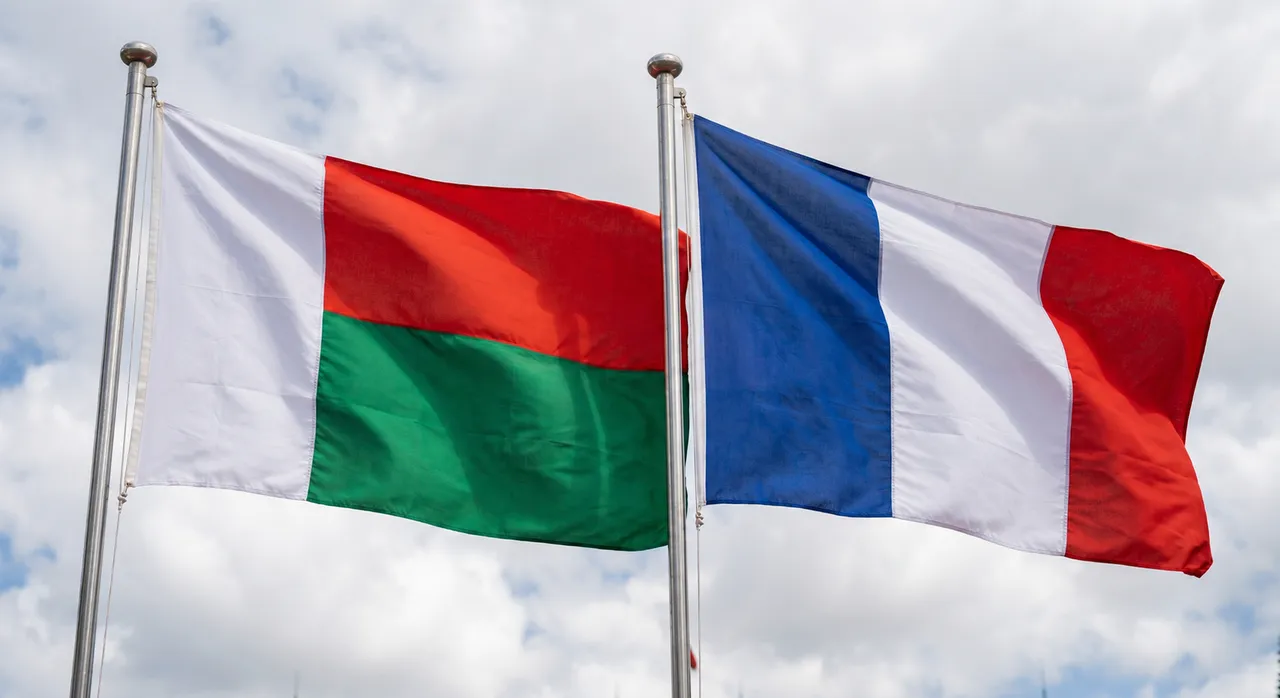
The expulsion comes at a time of mounting political uncertainty in Madagascar, where interim leader Michael Randrianirina assumed power following the ousting of former president Andry Rajoelina after widespread protests last October.
In recent weeks, fresh demonstrations have erupted in the capital, Antananarivo, with critics accusing the transitional government of dragging its feet on promised reforms and failing to address entrenched corruption. The renewed unrest has heightened concerns about the country’s stability.
More Read
Human rights organisations have also raised alarms. Amnesty International has accused authorities of using arrests and detentions to stifle dissent, warning that such actions are fostering what it describes as a “climate of fear” among opposition voices and civil society.
Government officials, however, maintain that the unrest may not be purely domestic. They claim there are indications of foreign involvement in efforts to undermine the administration, pointing to an ongoing investigation into an alleged plot to assassinate the interim leader.
More Read

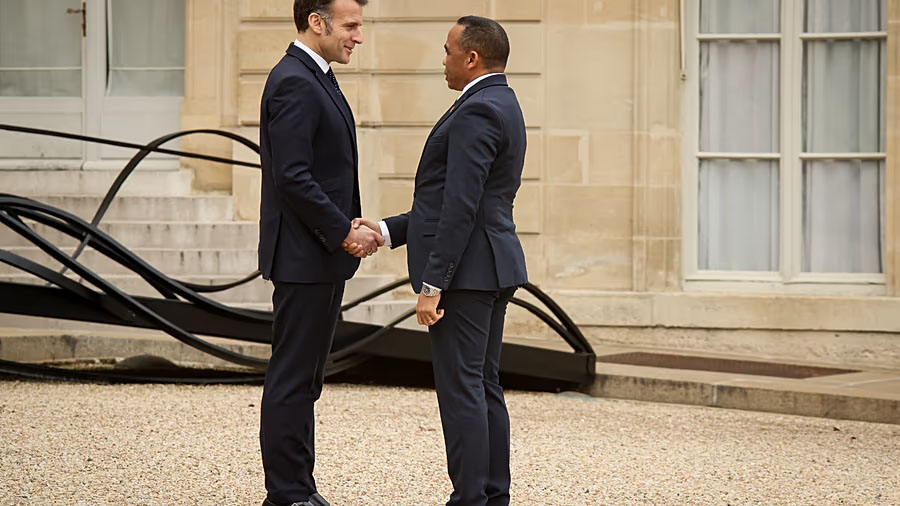
The expulsion of the French diplomat is likely to deepen scrutiny of Madagascar’s claims and could strain ties with Paris, which has historically maintained strong political and economic links with the island nation.
As protests persist and investigations continue, Madagascar finds itself navigating a delicate moment—caught between internal pressures for reform and growing suspicion of external influence.