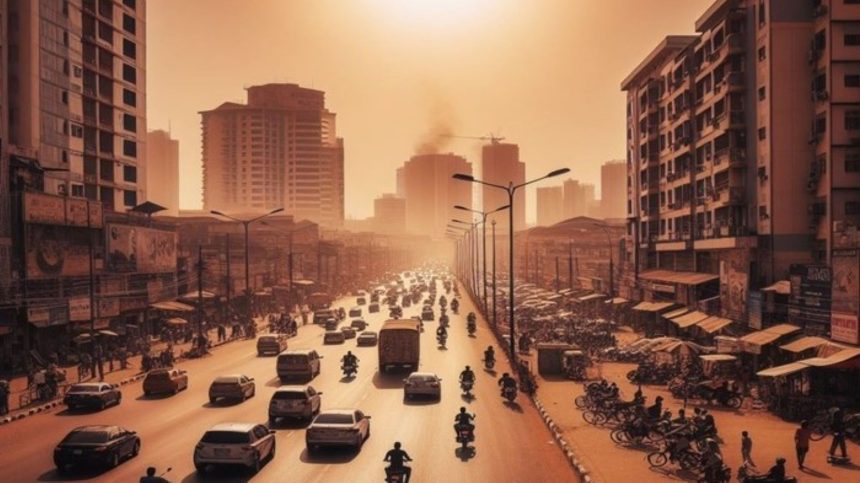
By all accounts, Lagos has always been hot. But this is different.
This is the kind of heat that clings to your skin before sunrise, that follows you into overcrowded buses, and refuses to loosen its grip even long after the sun has gone down. It is the kind of heat that turns homes into ovens and workdays into endurance tests.
For Azeez Akanni, a 32-year-old fashion designer navigating the relentless chaos of Lagos, the change is undeniable. Each day, he squeezes into packed yellow buses, transporting carefully crafted luxury items across the city. But lately, the journey feels heavier.
“The sun is too hot,” he says—simple words that echo a growing national discomfort.

Across Nigeria, millions are facing a heatwave that is no longer just a seasonal inconvenience but a public crisis. The country’s weather authorities warn that recent years rank among the hottest ever recorded, signaling a dangerous upward trend.
In Lagos, the impact is magnified. A city bursting at the seams, choked with traffic, and starved of green spaces, it traps heat like a furnace. Cars idle endlessly, buildings radiate warmth, and thousands of petrol generators hum relentlessly—each one adding to the suffocating atmosphere.
Yet, just as the heat intensifies, relief is slipping out of reach.
Fuel prices have surged sharply, driven in part by global tensions, making basic coping mechanisms unaffordable. For many, generators—once a lifeline during frequent power cuts—are now silent.
“I stopped using my generator,” says Emmanuel Chinonso, a driver in Abuja. “Fuel is too expensive.”
Even small comforts have become luxuries. Air conditioning in cars is now rationed. Some drivers switch it off entirely, while others charge passengers extra just to feel a brief gust of cool air.
At night, the situation worsens. When electricity fails, fans go still, and families lie awake in stifling rooms, waiting for a breeze that never comes.
For those who work outdoors, there is no escape at all.
Lagos streets remain alive with the unyielding rhythm of survival. Hawkers weave through traffic selling chilled drinks that warm too quickly. Food vendors stand over open flames, cooking under an already unforgiving sun.
“The weather is not good,” says Aminat Jimoh, frying tofu by the roadside. “But we have to endure. If we don’t work, we don’t eat.”
Her words capture a harsh reality: in Nigeria’s informal economy, survival often outweighs safety.
Health experts are increasingly alarmed. Rising temperatures and humidity create ideal conditions for mosquitoes to thrive, raising fears of a surge in malaria cases. With Nigeria already carrying one of the world’s highest malaria burdens, the implications are serious.
And still, people wait.
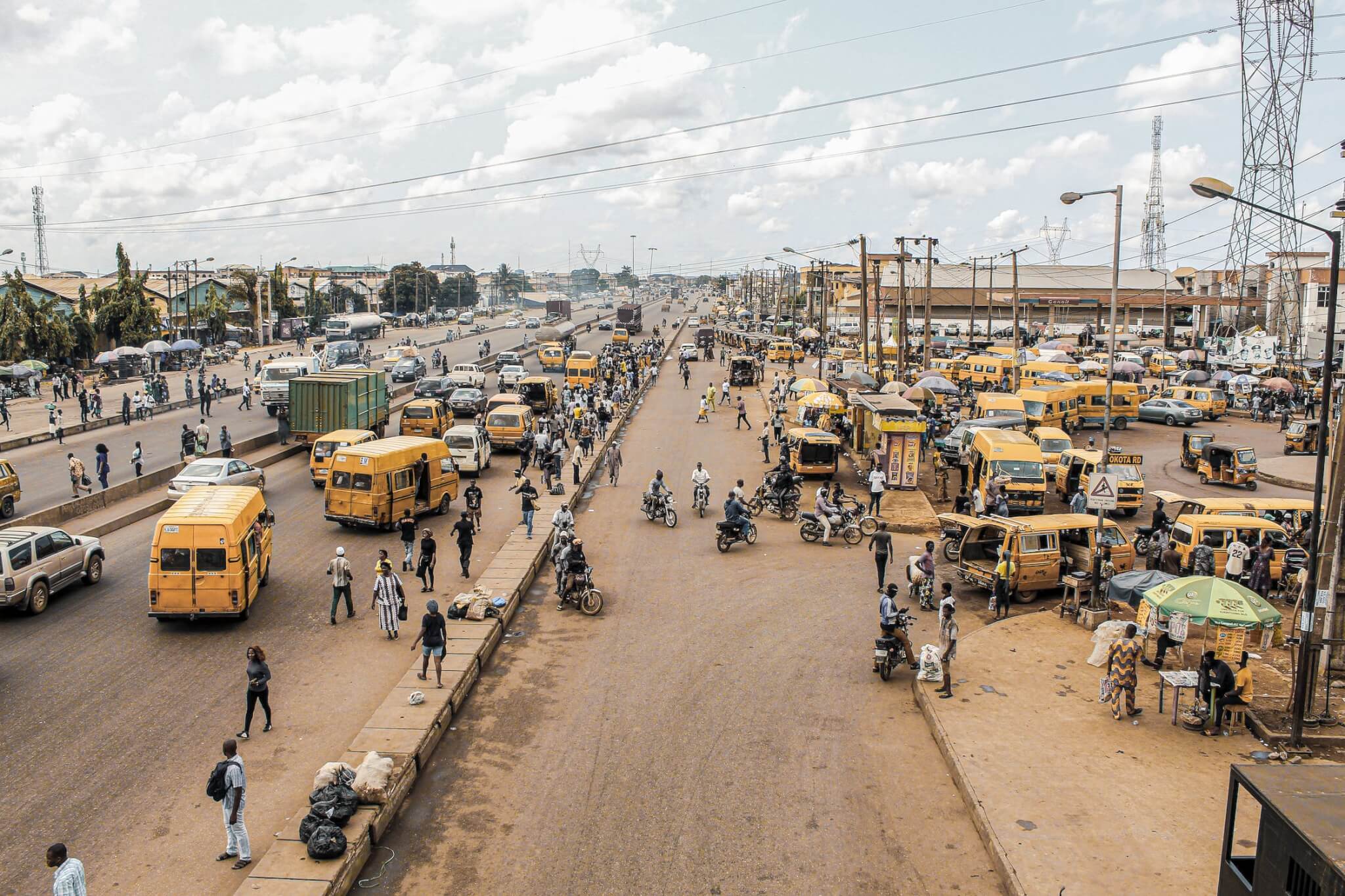
Eyes turn skyward in hope of the coming rains. The rainy season promises cooler air, a break from the oppressive heat. But even that relief comes with a warning—flooding, displacement, and yet another cycle of hardship.
This is the paradox Nigerians now face: choosing between heat that drains the body and rains that threaten homes.
For Akanni, the choice is simple.
“I know the rain has its own problems,” he says. “But I just want this heat to go.”
His words are not just a personal plea—they are a national sigh.
Because in today’s Nigeria, the heat is no longer just weather.
It is a test of resilience, a strain on survival, and a warning that the climate crisis is no longer coming—it is already here.