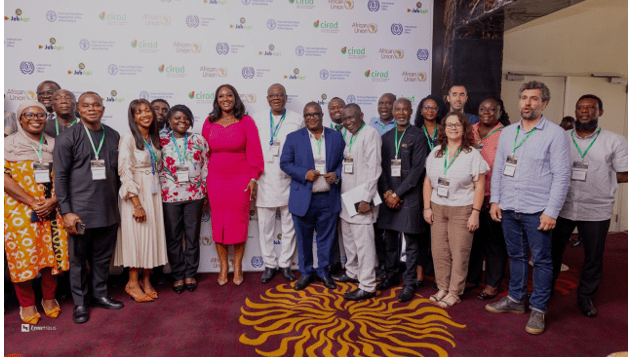
Ghana and the European Union on Tuesday sealed their first-ever formal defence partnership, marking a significant step in efforts to curb the spread of jihadist violence across West Africa.
The agreement, signed in Accra by EU foreign policy chief Kaja Kallas and Ghanaian Vice President Jane Naana Opoku-Agyemang, is designed to deepen cooperation in counterterrorism, intelligence sharing and crisis response.
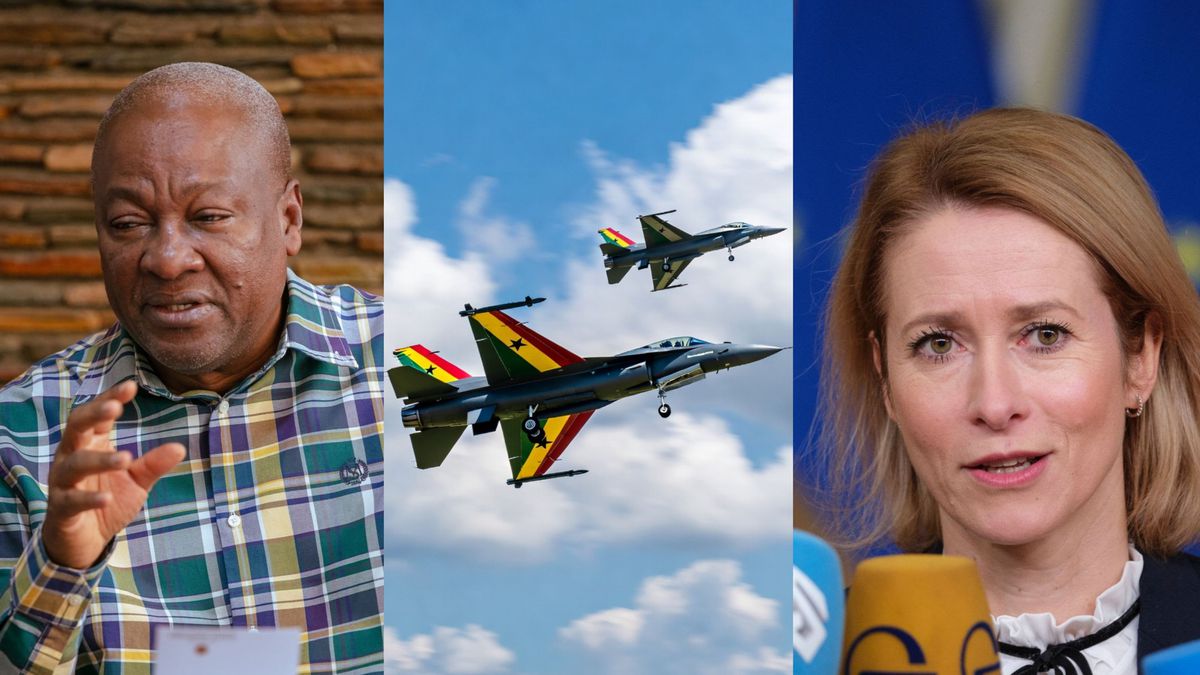
Kallas described the pact as a historic milestone, noting it is the first defence agreement of its kind between the EU and an African nation. “This partnership allows us to work more closely in areas that matter for the security of our citizens, both in Europe and Ghana,” she said.
The deal builds on a broader €50 million ($54 million) EU support package provided since 2023. That assistance has included advanced communication systems and patrol boats to strengthen Ghana’s border security. Under the new agreement, Ghana’s military is also set to receive surveillance drones, anti-drone equipment and motorcycles to improve rapid response capabilities.
More Read

Ghana’s National Security Coordinator Osman Abdul-Razak said the timing of the partnership reflects evolving security threats facing both the country and the wider region. “The nature of security challenges continues to change, requiring stronger collaboration and improved capacity among security agencies,” he said.
The move comes amid growing concern that violence from the Sahel — particularly in Burkina Faso, Mali and Niger — could spill into coastal West African states. Armed groups linked to Al-Qaeda and the Islamic State have intensified attacks in recent years, with the Sahel accounting for nearly half of global terrorism-related deaths for the third consecutive year in 2025, according to the Global Terrorism Report.
While Ghana has largely remained stable, its proximity to conflict zones has raised concerns. Analysts note that militants often move through northern Ghana to rest and regroup rather than carry out attacks, underscoring the country’s vulnerability.
More Read

Regional tensions have also been aggravated by economic disputes. Last year, traders in Ghana clashed with counterparts in Burkina Faso over cross-border tomato trade restrictions, highlighting how economic friction can compound security risks.
Fears of jihadist expansion have further intensified following a series of attacks in Benin and an incident in Nigeria last year.
Security experts warn that while military cooperation is essential, long-term stability will depend on sustained political and economic investment in underserved rural areas across the region.
The Ghana-EU partnership is therefore being seen not just as a defence pact, but as a strategic effort to prevent West Africa’s coastal states from becoming the next frontline in the Sahel’s ongoing conflict.