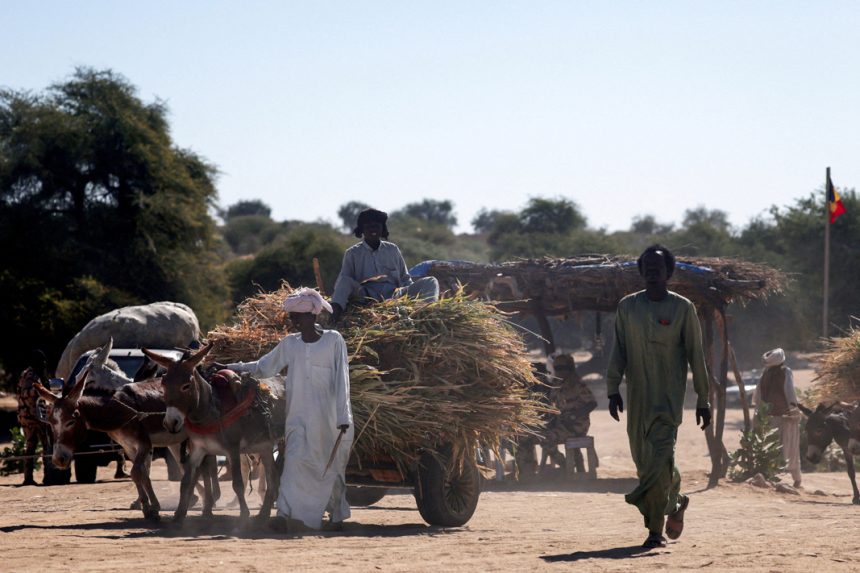
Chad has begun relocating thousands of refugees away from its volatile eastern border with Sudan, as security concerns mount following deadly cross-border violence.
The evacuations started over the weekend in Ennedi Est Province, where authorities are moving at least 2,300 refugees—mostly women and children—to safer areas inland. The move comes amid fears of further attacks near the frontier, which has grown increasingly unstable in recent weeks.
President Mahamat Idriss Déby has ordered the deployment of Chadian troops along the border and signaled the possibility of military action beyond it. The directive follows a recent drone strike that killed at least 17 people inside Chad, an incident the government views as a serious escalation.
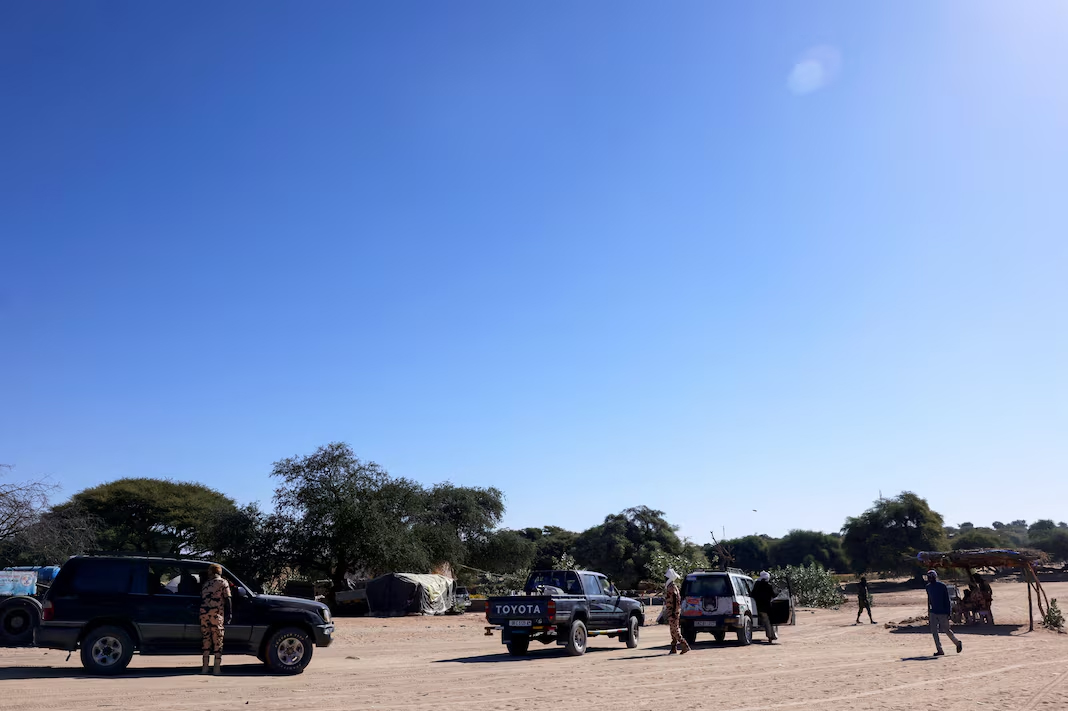
Officials in N’Djamena have warned that continued attacks originating from Sudanese territory could prompt retaliatory operations, raising concerns about a broader regional spillover of the conflict.
More Read

The tensions are rooted in the ongoing war in Sudan, which erupted in April 2023 after a power struggle between the national army and the paramilitary Rapid Support Forces escalated into full-scale fighting. Much of the violence has centered in the capital, Khartoum, but has since spread across the country.
The conflict has triggered what aid organizations describe as the world’s largest humanitarian crisis. More than 14 million people have been displaced, while the United Nations estimates that over 40,000 have been killed—though the true toll is believed to be significantly higher.
Chad has borne a heavy burden from the crisis, hosting hundreds of thousands of Sudanese refugees who have crossed the border in search of safety. Although the government temporarily closed its frontier after the conflict began, it has continued to allow limited entry on humanitarian grounds.
More Read

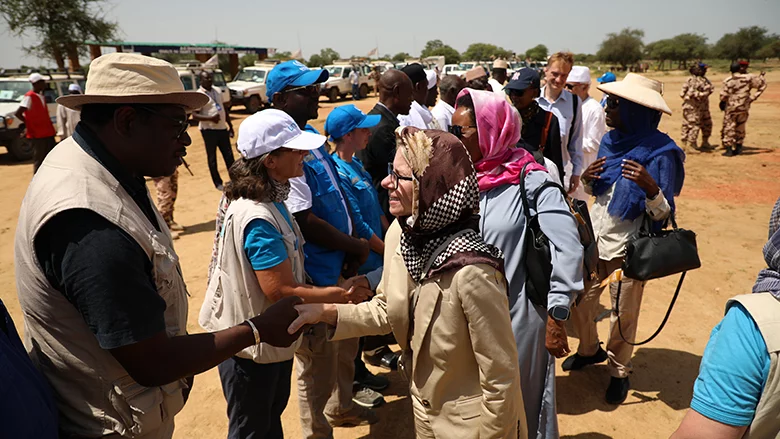
However, the worsening security situation is now forcing authorities to rethink their approach, balancing the need to protect civilians with growing concerns about national security.
As Chad moves refugees further from the border and steps up its military posture, fears are rising that the Sudan conflict could draw neighboring countries deeper into the crisis, complicating efforts to contain one of the most devastating humanitarian emergencies in recent history.