The Nigerian Guild of Editors (NGE) has called for far-reaching constitutional and electoral reforms ahead of Nigeria’s 2027 general elections, including a review of the process for appointing the leadership of the Independent National Electoral Commission (INEC) and faster resolution of election disputes.
The call formed part of the resolutions reached at the 22nd All Nigeria Editors Conference (ANEC 2026), held in Enugu from September 24 to 26 under the theme, “The Ballot, the Media and the Task of Keeping Democracy Alive.”
More than 300 editors, publishers, senior journalists and other stakeholders participated in the conference, which examined Nigeria’s electoral system, the judiciary, election security, artificial intelligence and the responsibilities of the media ahead of the 2027 polls.
In its communiqué, the NGE called for sustained constitutional and electoral reforms to address what it described as structural weaknesses in Nigeria’s electoral system.
The editors specifically demanded a review of the process for appointing the INEC Chairman, National Commissioners and Resident Electoral Commissioners, as well as State Electoral Commissioners.
More Read

The Guild also expressed concern over the deployment of security personnel during elections, particularly situations where their presence could intimidate voters or undermine the credibility of the electoral process.
Another major concern was the increasing role of election tribunals in determining political outcomes.
The editors argued that elections should remain the primary means through which citizens determine their political leaders, rather than having electoral outcomes effectively determined through prolonged judicial processes.
More Read

The conference therefore called for election disputes to be resolved within appropriate timelines, preferably before declared winners are sworn into office.
It also advocated constitutional consideration of a presidential election threshold that would require a candidate to secure up to 50 per cent of votes cast, with a run-off where no candidate meets the required threshold.
The NGE further called for the introduction of a constitutional framework permitting independent candidates to contest elections, while urging a review of existing limitations that prevent ordinary voters from challenging disputed electoral results.
According to the editors, strengthening citizens’ ability to seek redress is essential to restoring public confidence in the electoral process.
The conference noted that although the ballot remains the principal instrument through which Nigerians exercise their sovereign will, the value of the ballot depends on credible information, public confidence in the electoral system and the assurance that votes will be properly counted and respected.
The editors identified poor governance, electoral violence and intimidation, administrative shortcomings and declining confidence in the electoral process as some of the factors contributing to voter apathy.
More Read
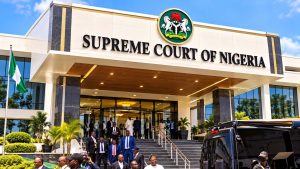
They also raised concerns about the relationship between election results and subsequent judicial decisions, calling for electoral adjudication to be timely, transparent, predictable and impartial, while maintaining respect for judicial independence.

AI, Deepfakes Threaten Election Information
The NGE also sounded the alarm over the growing threat posed by generative artificial intelligence, deepfakes, voice cloning and automated networks to the integrity of election-related information.
The conference warned that synthetic content could increasingly be used to fabricate election results, clone the voices of public officials, forge official documents, manipulate result sheets and produce fake reports falsely attributed to established media organizations.
The editors said the danger extends beyond individual pieces of misinformation, warning that widespread exposure to fabricated content could undermine public trust to the point where citizens become unable to distinguish authentic information from falsehood.
Against this backdrop, the NGE urged newsrooms to institutionalize fact-checking and verification systems and integrate digital verification, deepfake detection and forensic tools into their editorial processes.
The Guild also called on INEC to develop and implement an Artificial Intelligence Governance Framework to ensure that automated systems used in elections remain subject to human oversight, transparency, accountability and legal verification.
While acknowledging steps being taken by INEC to strengthen its preparedness for the 2027 elections, including technological initiatives, staff welfare measures and nationwide readiness assessments, the editors stressed the need to protect the integrity of the Bimodal Voter Accreditation System, BVAS, and safeguard the institutional independence of the electoral commission.
The NGE further cautioned news organizations against publishing or amplifying unverified election results, stressing that the statutory responsibility for declaring election results rests with INEC.
Editors Reaffirm Media Responsibility
The conference reaffirmed the Nigerian Media Code of Election Coverage, Revised 2022, jointly endorsed by the Newspaper Proprietors’ Association of Nigeria, Broadcasting Organizations of Nigeria, Nigeria Union of Journalists, Nigerian Guild of Editors and Guild of Corporate Online Publishers.
It urged news organizations to train journalists on the provisions of the code before the 2027 elections.
The editors also reaffirmed the responsibility of the media to scrutinize government, political parties and other centres of power while reporting verified achievements and developments fairly.
They stressed that editorial neutrality means impartiality among legitimate political contenders but does not require journalists to remain silent in the face of verified wrongdoing or treat established facts as equivalent to unverified claims.
Governments and political actors were consequently urged to provide equitable access to the media for both government and opposition voices while respecting editorial independence.

Safety of Journalists
The conference also placed significant emphasis on the safety of journalists during elections.
The NGE maintained that an electoral process cannot be fully transparent when journalists are threatened, attacked, obstructed or prevented from independently observing and reporting events.
It therefore called on security agencies and political actors to protect journalists and allow them to perform their constitutional and professional responsibilities without intimidation.
On terrorism reporting, the conference adopted the principle, “Inform, Don’t Amplify,” urging newsrooms to report terrorist activities responsibly without giving undue publicity or propaganda value to terrorist organizations.
Journalists were advised to clearly identify terrorist assertions as claims until independently verified and to avoid reproducing propaganda, recruitment messages, slogans or graphic materials except where there is compelling editorial justification.
The NGE reaffirmed that the Nigerian media should remain “pro-Nigeria, pro-Ballot and pro-People” rather than aligned with any political party.
The Guild called on the Federal Government, INEC, security agencies, the judiciary, political parties, traditional and religious institutions, civil society organizations, technology platforms and the media to discharge their responsibilities with integrity, courage and diligence.
It maintained that the credibility of Nigeria’s democracy ultimately depends on citizens being able to make informed choices, cast their votes freely and have confidence that their votes will be accurately counted and respected.
The 22nd All Nigeria Editors Conference was chaired by the Obi of Onitsha, Igwe Nnaemeka Alfred Achebe, while the Archbishop Emeritus of Abuja, John Cardinal Onaiyekan, delivered the keynote address.
Vice President Kashim Shettima participated virtually as Special Guest of Honour, while Enugu State Governor, Dr Peter Mbah, served as Chief Host.