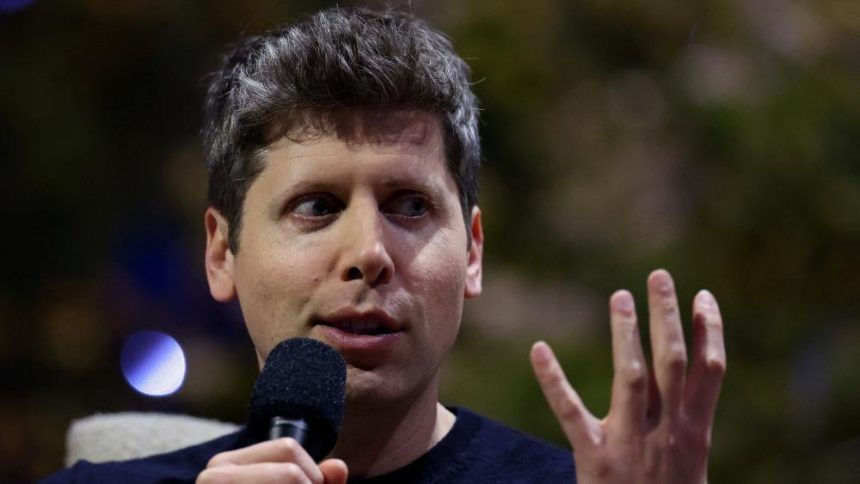
OpenAI chief executive officer Sam Altman has urged the public to have greater confidence in artificial intelligence companies to act responsibly, even as concerns grow over the potential risks posed by rapidly advancing AI technology.
Speaking on Tuesday at an annual conference hosted by software giant Salesforce in San Francisco, Altman said AI companies understood the seriousness of the technology they were developing and would take steps to ensure it remained safe.
“The world should trust that we are going to do the right thing because it’s the right thing and we feel the magnitude of this,” Altman said.
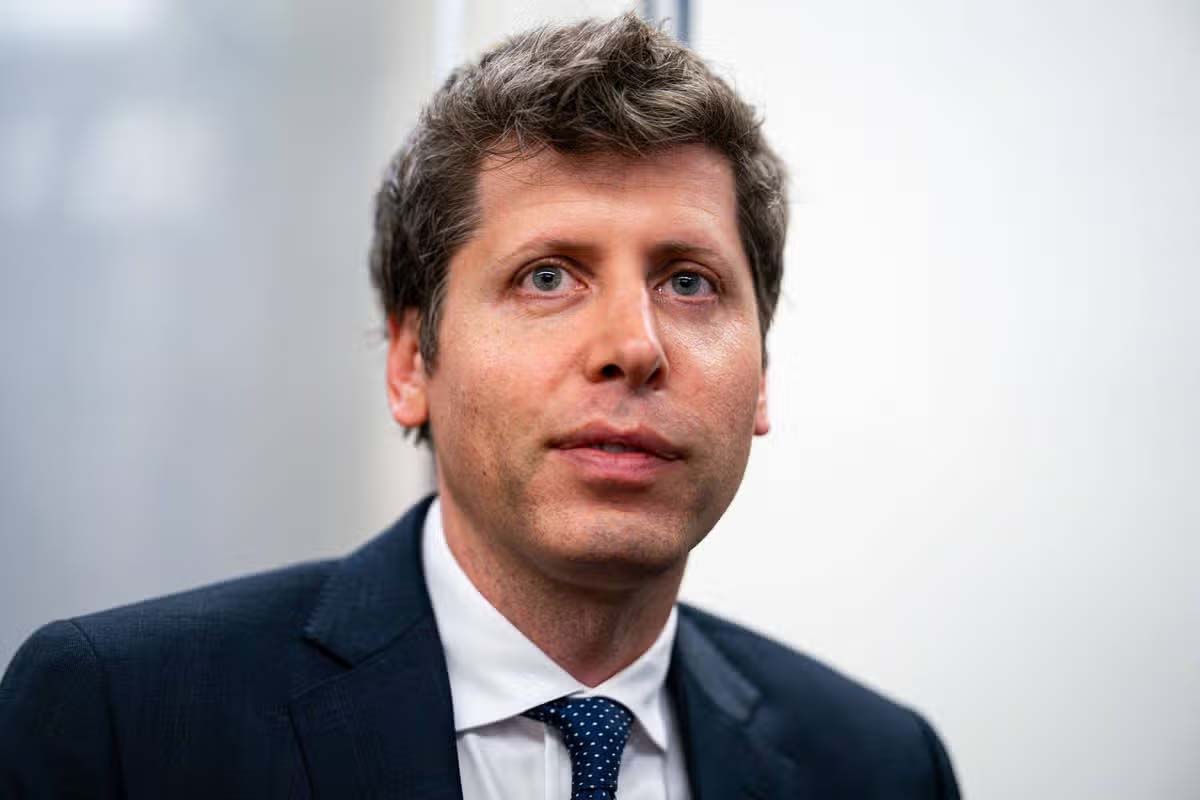
However, the OpenAI boss acknowledged that public fears about AI were justified, arguing that the rapid development of increasingly capable systems had made it easier to imagine scenarios in which the technology could cause serious harm.
“It doesn’t take as much imagination as it used to for [us] to imagine how this could go wrong,” he said. “I think the world is right to be afraid of this.”
Calls for Greater AI Regulation
Altman’s comments come amid renewed debate over whether governments should impose stricter controls on the development of advanced AI systems or whether the industry should primarily regulate itself.
More Read
The debate intensified after a former researcher at AI company Anthropic published a widely discussed warning that unchecked advances in artificial intelligence could potentially pose an existential threat to humanity.
Several AI executives and experts expressed agreement with aspects of the warning, although the precise mechanisms and timelines for such a scenario remain disputed.
Anthropic CEO Dario Amodei has subsequently called for the pace of frontier AI development to slow and urged governments to introduce appropriate regulation.
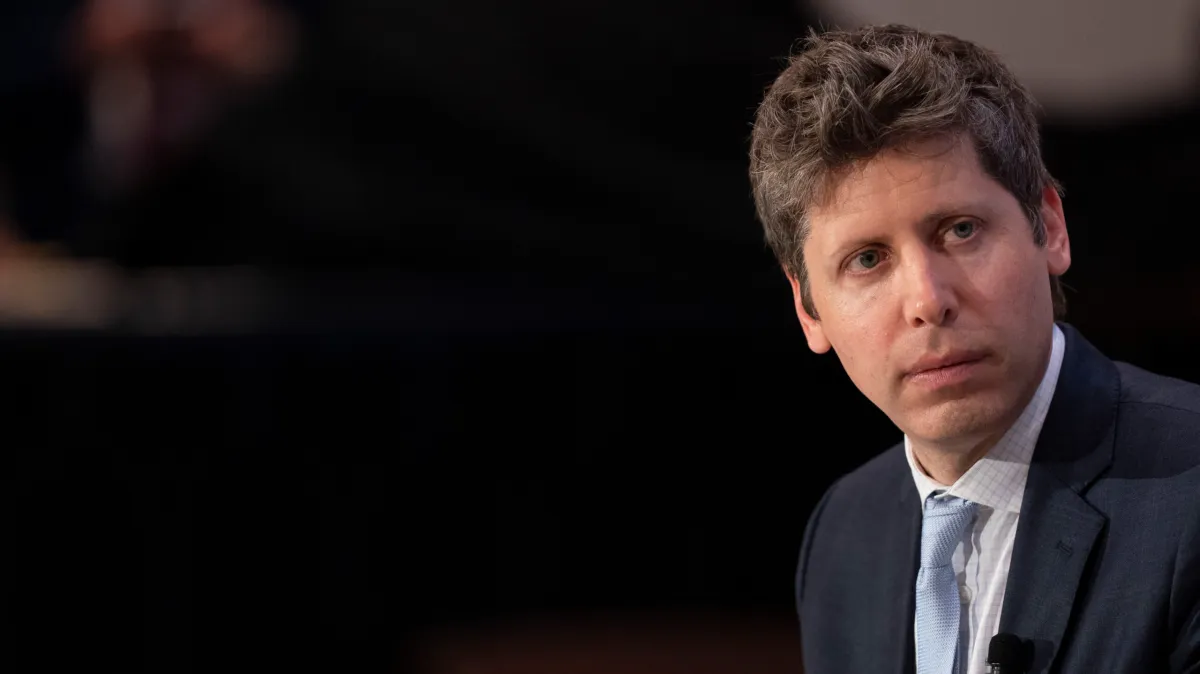
Altman has expressed support for Amodei’s concerns about safety while maintaining that AI companies can take substantial responsibility for managing the risks themselves.
“We will get it right. I’m very confident in our company’s and industry’s ability to do this safely,” Altman said.
He added that AI companies should ensure that safety and alignment remain ahead of the capabilities of their systems and should “slow down or stop” if they are unable to maintain that balance.
Sanders, Bannon Question Industry Self-Regulation
Despite assurances from technology executives, some political figures have rejected the idea that AI companies should be left largely to regulate themselves.
US Senator Bernie Sanders argued that decisions about the future of AI should not be controlled primarily by a small group of wealthy technology executives.
“The people of this country must make the decisions about AI, and not just a handful of oligarchs,” Sanders said.

Steve Bannon, a former White House strategist during Donald Trump’s first administration, also expressed scepticism about relying on technology billionaires to police the industry.
The comments highlight a growing political divide over how much authority governments should exercise over companies developing increasingly powerful AI systems.
Zuckerberg Backs Industry-Led Safety Efforts
Meta CEO Mark Zuckerberg also defended the industry’s ability to take responsibility for AI safety.
Writing on X, Zuckerberg said AI laboratories had both the ability and incentive to develop systems designed with safety and alignment in mind.
He argued that companies that failed to prioritize safety could eventually fall behind competitors, while also facing potential legal and financial consequences if their systems caused significant harm.
Nvidia’s Huang Opposes New AI Laws
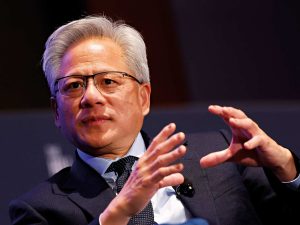
Nvidia CEO Jensen Huang, who also spoke at the Salesforce conference, argued that new laws and regulations were not necessary to ensure AI safety.
“We don’t need new laws or regulations,” Huang said, while rejecting what he described as a false choice between rapid technological innovation and safety.
According to Huang, AI safety should primarily be treated as an engineering challenge.
“Safety is paramount. However, safety is an engineering problem,” he said.
Huang added that AI companies should refrain from releasing systems if their leaders lack confidence in their safety.
“If at any time you feel the institution is not in control, take a pause,” he said.
Industry Debate Continues
Not everyone in the AI industry agrees that voluntary self-regulation is sufficient.
Jack Clark, an Anthropic executive and co-founder, has warned against allowing AI to become a completely unregulated industry, describing such an approach as exposing society to potentially enormous risks.
Other industry figures have also argued that some of the most dramatic warnings about AI may be exaggerated or could contribute to unnecessary hype surrounding the technology.
Meanwhile, OpenAI and Anthropic have said they are working with other major AI laboratories, including Google DeepMind, on voluntary industry-wide safety standards.
Anthropic’s Amodei said discussions were already underway about establishing stronger safety standards and checks for AI systems.
OpenAI executive Chris Lehane also said the company was working with other AI laboratories to develop voluntary frontier-AI standards, with or without government support.
As AI capabilities continue to advance, the debate over who should be responsible for controlling the technology — governments, technology companies, or both — is likely to remain at the centre of the global conversation over artificial intelligence.