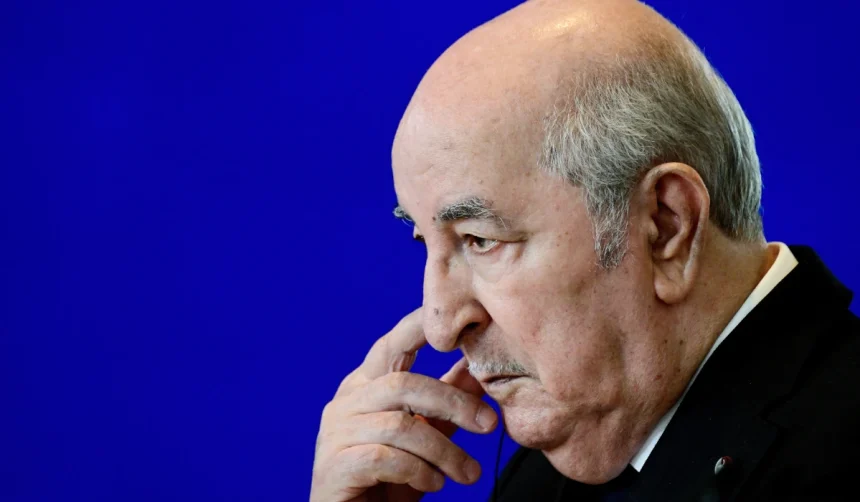
ALGIERS — Amnesty International has called on the Algerian government to abandon plans to expand the use of the death penalty and resume executions following President Abdelmadjid Tebboune’s directive to introduce capital punishment for people found responsible for deliberately starting wildfires.
The rights organization made the call on Tuesday after Algeria announced plans to amend its penal code following devastating wildfires that swept through parts of the country’s northeast last month.
Official figures put the death toll from the fires at 12, although witnesses and rights sources have reported substantially higher casualties.
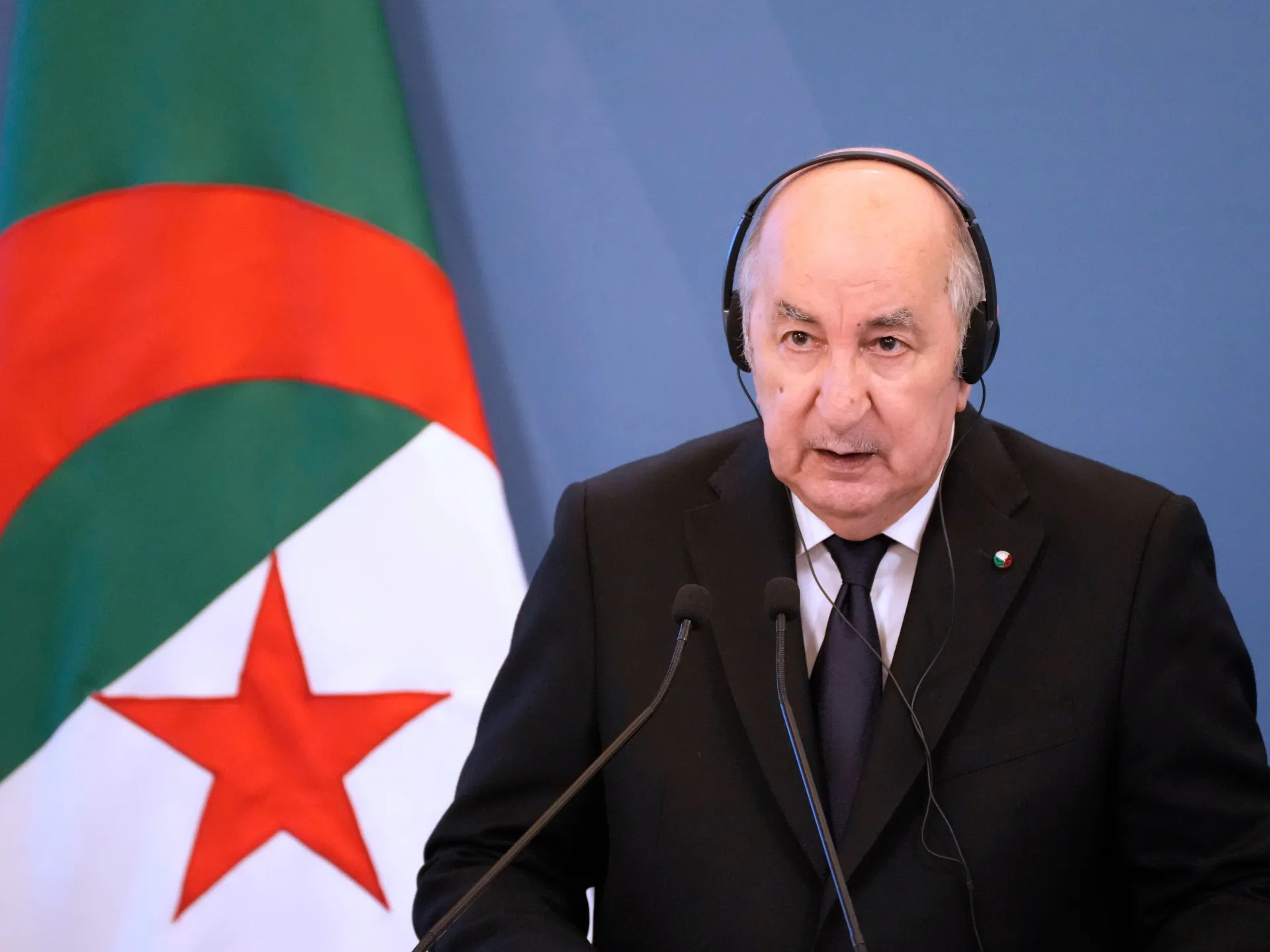
Algeria has not carried out an execution since 1993, although courts have continued to hand down death sentences, including in terrorism-related cases. Those sentences have generally not been implemented.
Last month, President Tebboune directed the justice minister to amend the country’s penal code to allow the death penalty for people who deliberately start forest fires.
“Algeria’s authorities must immediately abandon any plans to expand the scope of the death penalty or resume executions after more than three decades without carrying one out,” Amnesty International said in a statement.
The organization also urged Algerian authorities to establish an official moratorium on executions as a first step towards the complete abolition of capital punishment.
Tebboune has, however, indicated that his administration intends to take a tougher approach to crimes punishable by death. He said people sentenced to capital punishment should be executed once they had exhausted their legal right to appeal.
The government began examining proposed amendments to the penal code this month.
The president also said the proposed expansion would cover people convicted of abducting or abusing children.
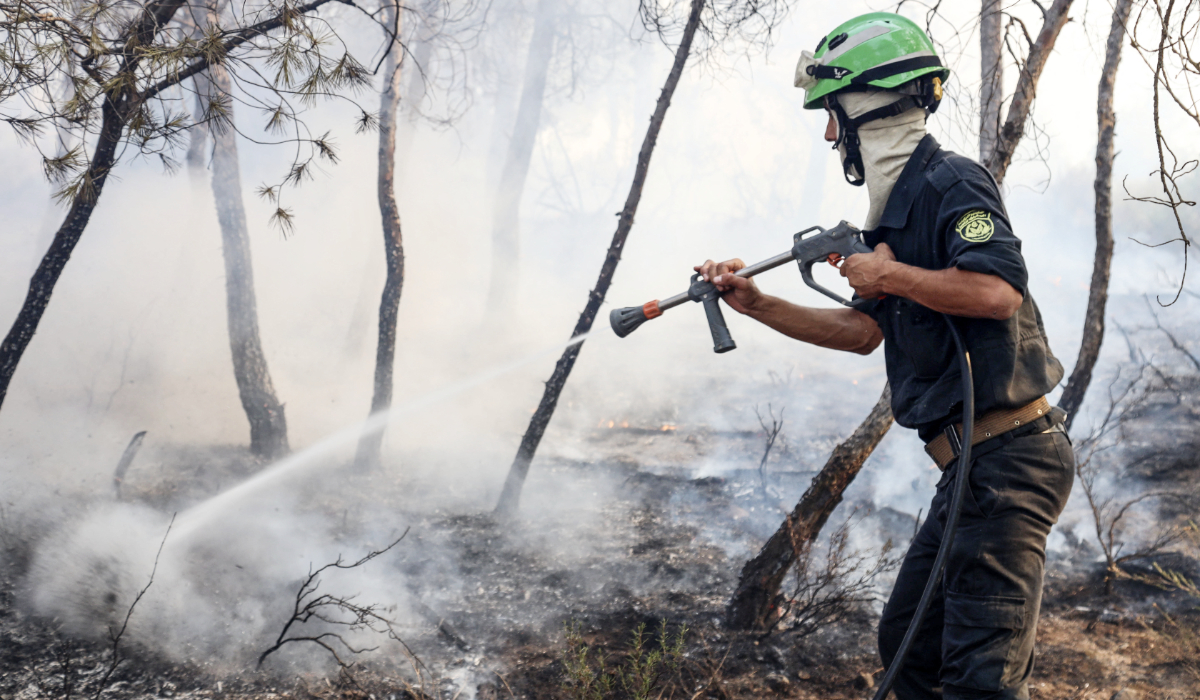
Forest fires are a recurring threat in northern Algeria during the summer months. Scientists have linked the increasing severity of such disasters to climate change, which is contributing to longer droughts, more intense heat and conditions that allow fires to spread rapidly.
Tebboune has alleged that the scale and circumstances of the latest fires suggested that criminal activity may have been involved, saying there was “something criminal” about the blazes.
Amnesty International said credible sources had reported casualties significantly higher than the government’s official figures, including claims of more than 70 deaths in a single municipality.
Algeria experienced another deadly wildfire disaster in July 2023, when fires swept through thousands of hectares of forests and farmland, destroying hundreds of homes and killing more than 30 people.
The aftermath of those fires also led to a highly controversial case involving the lynching of a 38-year-old man who had been falsely accused of starting the blazes. In 2023, Algerian courts sentenced more than 50 people to death over the killing, with some of the sentences handed down in absentia.
The latest debate over capital punishment has renewed attention on Algeria’s longstanding de facto moratorium on executions and the government’s proposed changes to the penal code.