US forces have struck five Iranian oil tankers, sinking one, after Iran twice targeted an American warship, in the latest escalation between Washington and Tehran, according to the US Central Command (Centcom).
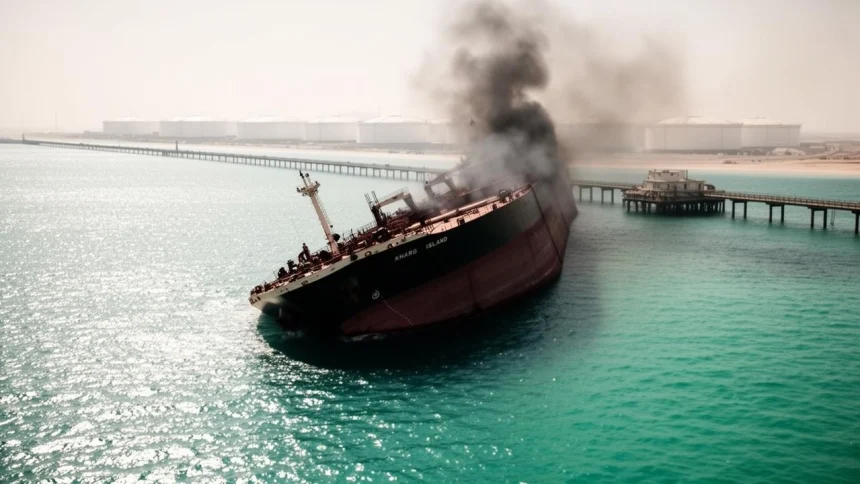
Centcom said four of the Iranian tankers were targeted in the Gulf of Oman, while another was attacked near Kharg Island, Iran’s main oil export terminal.
The US military said the vessels were linked to Iran’s Islamic Revolutionary Guard Corps (IRGC) and formed part of a multi-billion-dollar “shadow network” allegedly used to finance the IRGC and its regional allies.
One of the vessels, the M/T Riesco, later sank in the Gulf of Oman following the US strike. Centcom released video footage showing the damaged tanker.
The strikes came after Iran launched ballistic missiles at a US warship. Centcom said the missiles were successfully evaded and that no American personnel were injured.
More Read

Iran subsequently retaliated by firing missiles at a US base in Jordan. Jordanian authorities said its forces intercepted 18 of the 20 missiles, while the remaining two landed in unpopulated areas.
Iran’s Revolutionary Guards later claimed responsibility for further attacks, saying it had targeted two US vessels, eight oil tankers and 10 “non-compliant vessels” attempting to pass through the Strait of Hormuz.
The claims could not immediately be independently verified.
More Read

Oil Prices Rise Amid Fears Over Hormuz
The escalating confrontation has sent fresh concerns through global energy markets, with oil prices rising in Asian trading.
Brent crude increased by about 1.5% to $99.35 a barrel, while US West Texas Intermediate crude rose 1.3% to $94.23.
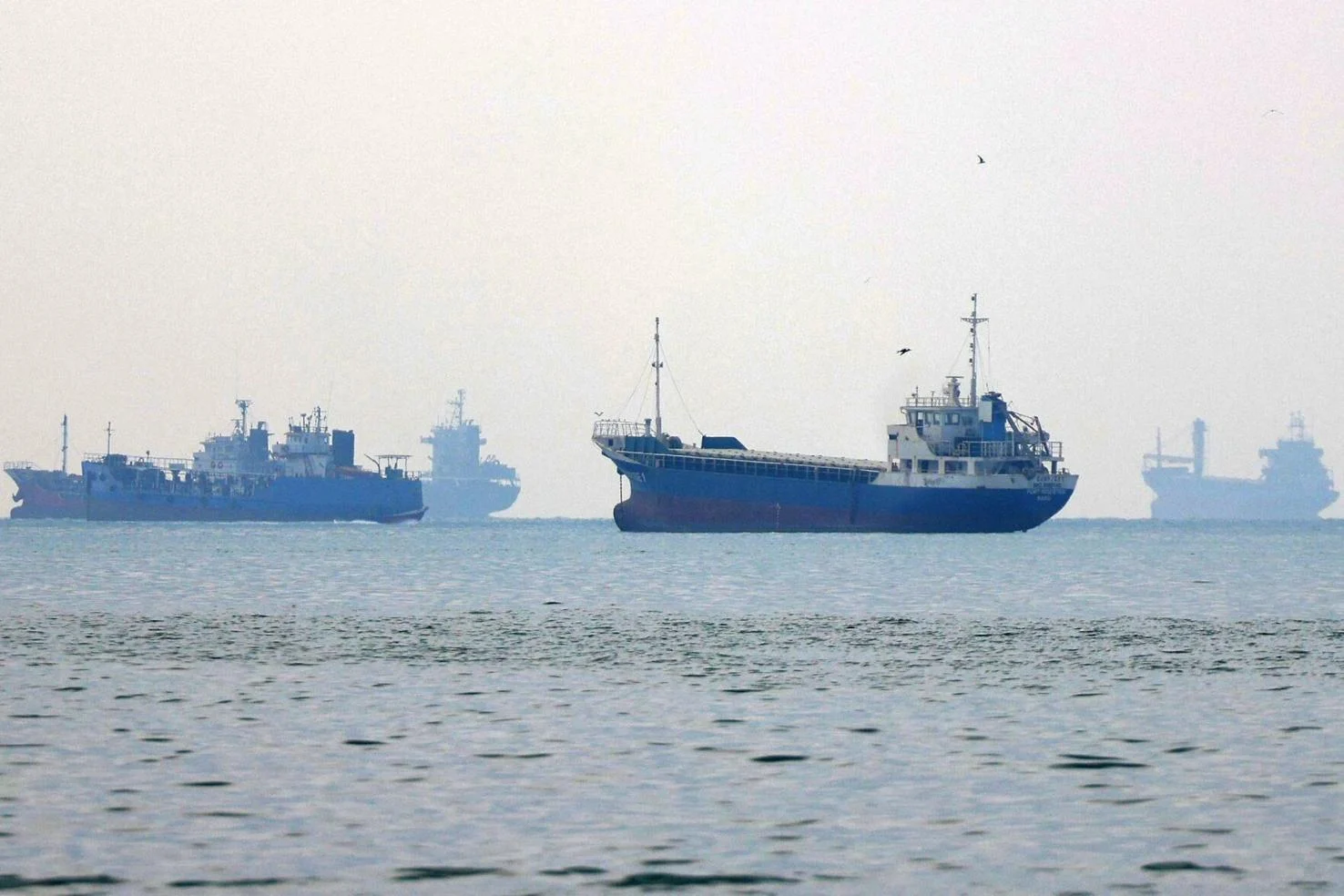
The potential threat to shipping through the Strait of Hormuz has heightened concerns about global oil supplies. The strategic waterway is one of the world’s most important oil transit routes.
Kharg Island is also critical to Iran’s energy exports, with about 90% of the country’s crude oil reportedly passing through the island after being transported by pipeline from the mainland.
Iran Claims US Drone Seized
The latest confrontation followed an Iranian navy claim that it had seized an uncrewed US submarine in the Strait of Hormuz.
More Read

However, US Navy Captain Tim Hawkins, a Centcom spokesman, said the underwater drone had malfunctioned more than a day earlier.
He said the drone had been deployed to survey regional waters in support of ongoing US military operations.
According to Hawkins, the drone was an older model that neither collected sensitive information nor carried classified sonar or radar equipment.
He added that US military operations in the region were continuing.
US Warns of More Strikes
US Secretary of State Marco Rubio defended Washington’s response, warning that further Iranian attacks on American naval forces would trigger additional strikes on Iranian tankers.
“Iran continues to try to hit US naval ships,” Rubio told reporters during a visit to Colombia.
“And, for every time they do that or try to do that, they’re going to lose tankers. And I think you’ll see that again today,” he said.
The latest exchange marks a significant escalation in the confrontation between the United States and Iran, coming more than six months after the US and Israel launched attacks on Iran on 28 February.
Regional Tensions Mount
The confrontation is also unfolding against a backdrop of wider instability across the Middle East.
On Tuesday, Yemen’s Iran-backed Houthi movement attacked energy facilities and civilian infrastructure in Saudi Arabia, according to Saudi authorities.
The attacks, involving drones and missiles, reportedly injured 73 people and caused fires at oil facilities and other installations.
Saudi Arabia’s military and energy ministry said the damage forced a temporary halt to some operations.
With US-Iran tensions escalating, attacks on energy infrastructure continuing and military activity threatening key shipping routes, concerns are growing that the conflict could disrupt global oil supplies and push crude prices higher.
The developments have also raised fears of a broader regional conflict involving the United States, Iran and their respective allies.