ABUJA — The Federal Government has uncovered the illegal admission of more than 58,000 students into various colleges of education across Nigeria, describing the development as a major threat to the credibility and quality of the nation’s tertiary education system.
Minister of Education, Dr Tunji Alausa, disclosed this on Wednesday in Abuja during the inauguration of a ministerial committee on strengthening accreditation and quality assurance in tertiary institutions.
The committee is chaired by the immediate past Registrar of the Joint Admissions and Matriculation Board, Professor Ishaq Oloyede.
According to Alausa, the figure represents a significant increase from the 5,600 illegal admissions initially identified when the Federal Government commenced investigations into admission irregularities in colleges of education.
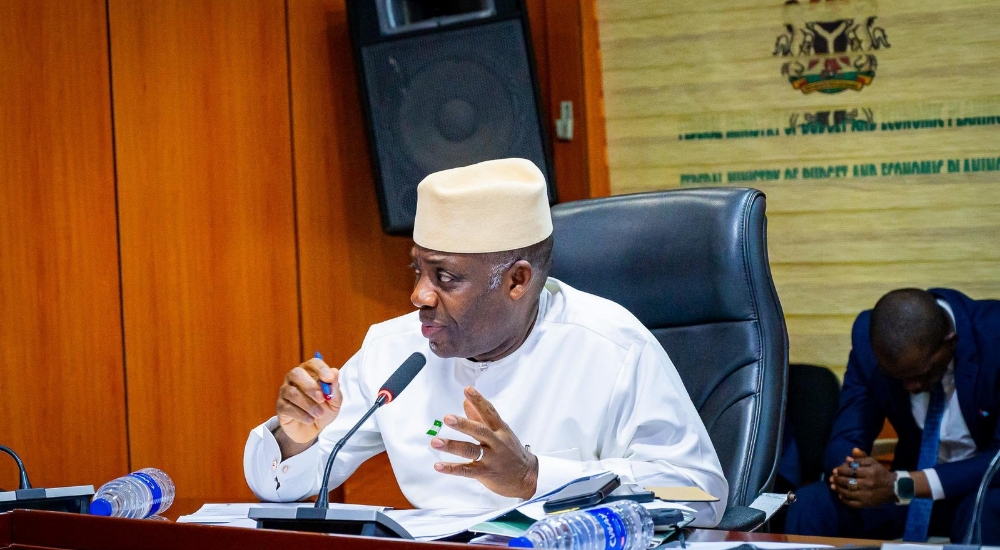

The minister described the situation as disturbing, revealing that one institution had legally admitted only 8,593 students, while 9,872 others were admitted illegally.
He noted that the number of students admitted outside approved regulatory channels in that institution was therefore higher than those admitted legally.
Alausa said the government would treat its current intervention as a one-time amnesty, warning that institutions should not expect repeated government efforts to legitimize illegal admissions.
More Read

He stressed that the era of what he described as “condolement” of admission irregularities must come to an end.
The minister further revealed that the problem extends beyond colleges of education, with universities and polytechnics also allegedly involved in illegal admissions.
He estimated that the number of students illegally admitted into universities across the country could exceed 200,000, although he said the government was still working to establish the exact figure.
Alausa expressed concern that some tertiary institutions were admitting students beyond their approved capacities and programmes, making it difficult for regulatory authorities to determine the actual number of students being trained.
He linked the practice to concerns over the quality of graduates entering Nigeria’s labour market.
According to him, employers increasingly complain that despite receiving hundreds of applications for available positions, only a small number of applicants possess the competence and skills required for employment.
More Read

The minister charged the newly inaugurated committee to identify and close loopholes that have enabled institutions to manipulate accreditation exercises.
He alleged that some institutions temporarily move academic staff, equipment and other facilities from one location to another during accreditation exercises in order to create the impression that they meet regulatory requirements.
Alausa said such practices could no longer be accepted, insisting that accreditation should no longer be based solely on occasional inspection visits.
Instead, he advocated for a continuous quality assurance system, supported by digital technology capable of tracking academic staff, students, infrastructure, equipment and other resources in tertiary institutions.
The minister directed that institutions must henceforth be assessed based on what they actually possess and can sustainably maintain, rather than facilities or personnel temporarily assembled for accreditation exercises.
He also issued a stern warning to officials responsible for enforcing regulatory standards.
Alausa said that under the administration of President Bola Ahmed Tinubu, officials who fail to enforce established standards could lose their jobs, while private institutions found to be deliberately violating regulatory requirements could face the withdrawal of their operating licences.
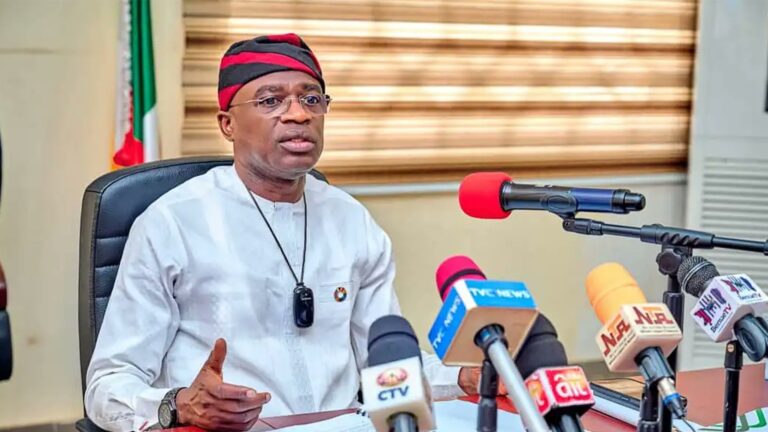
The minister said the reforms were necessary to restore confidence in Nigeria’s tertiary education system and protect students from being admitted into programmes whose qualifications may eventually fail to receive regulatory recognition.
He therefore charged the Oloyede-led committee to develop practical and sustainable measures to eliminate existing loopholes and establish a more transparent, credible and technology-driven accreditation and quality assurance system across Nigeria’s universities, polytechnics and colleges of education.
The Federal Government says the move is part of broader efforts to strengthen regulatory oversight, improve the quality of graduates and restore international confidence in Nigeria’s tertiary education system.