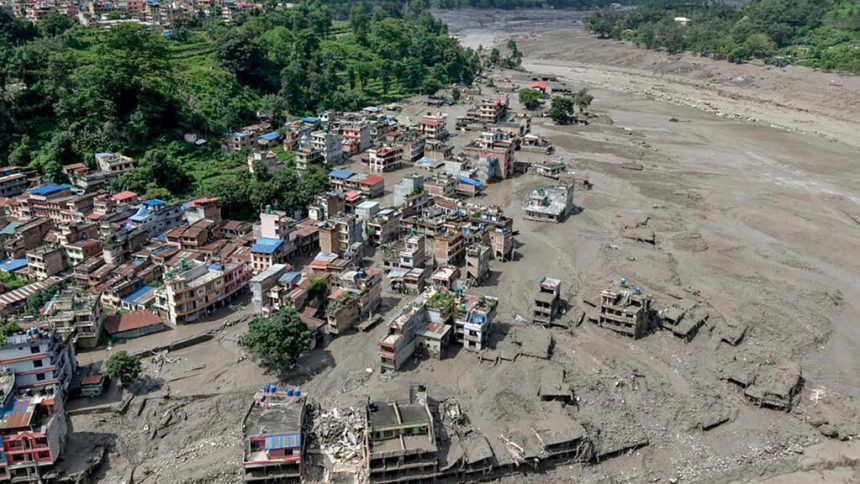
KATHMANDU, Nepal — At least 98 people have been killed after devastating flash floods and mudslides swept through communities along the Nepal-China border, leaving hundreds of people missing and triggering a massive search-and-rescue operation across the Himalayan region.
The disaster struck on Wednesday after a sudden surge of water and debris overwhelmed the Bhote Koshi River in Nepal’s mountainous Rasuwa district, close to the border with China’s Tibet region.
Nepalese authorities reported at least 95 deaths, while Chinese state broadcaster CCTV said a mudslide in Tibet’s Gyirong County had killed another three people and left 265 others missing.
The scale of the disaster remains unclear as rescue teams continue to search areas where homes, roads, bridges and other infrastructure were swept away.
More Read

Hundreds of Foreign Nationals Missing
The Nepal Tourism Board said 403 people had been reported missing in Nepal, including 341 foreign nationals.
Among those unaccounted for are tourists and pilgrims from several countries, including India, the United States, Britain, Australia, Malaysia and Canada. A significant number of the missing were travelling towards Tibet, with some on pilgrimages to the sacred Mount Kailash.
Officials warned that the number of missing people could change as authorities continue to verify reports from tour operators, local communities and families.
More Read

The disaster has therefore raised fears of an even higher final death toll.
Villages Swept Away
The force of the floodwaters caused widespread destruction along the Bhote Koshi River.
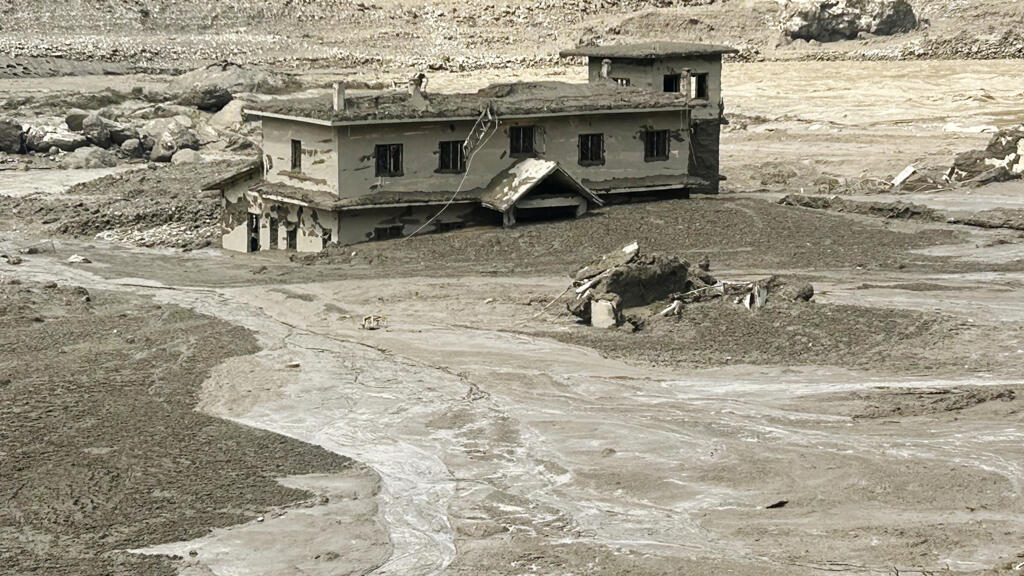
Homes were inundated or completely swept away, while roads and bridges disappeared beneath torrents of muddy water. Several hydropower facilities were also damaged, disrupting electricity supplies in Nepal.
Nepal’s Energy Ministry estimated that around 430 megawatts of electricity generation capacity had been affected, representing more than 12 percent of the country’s total hydropower capacity.
Images emerging from the affected region showed buildings surrounded by mud and debris, vehicles carried away by floodwaters and bridges damaged or destroyed.
Rescue Efforts Hampered
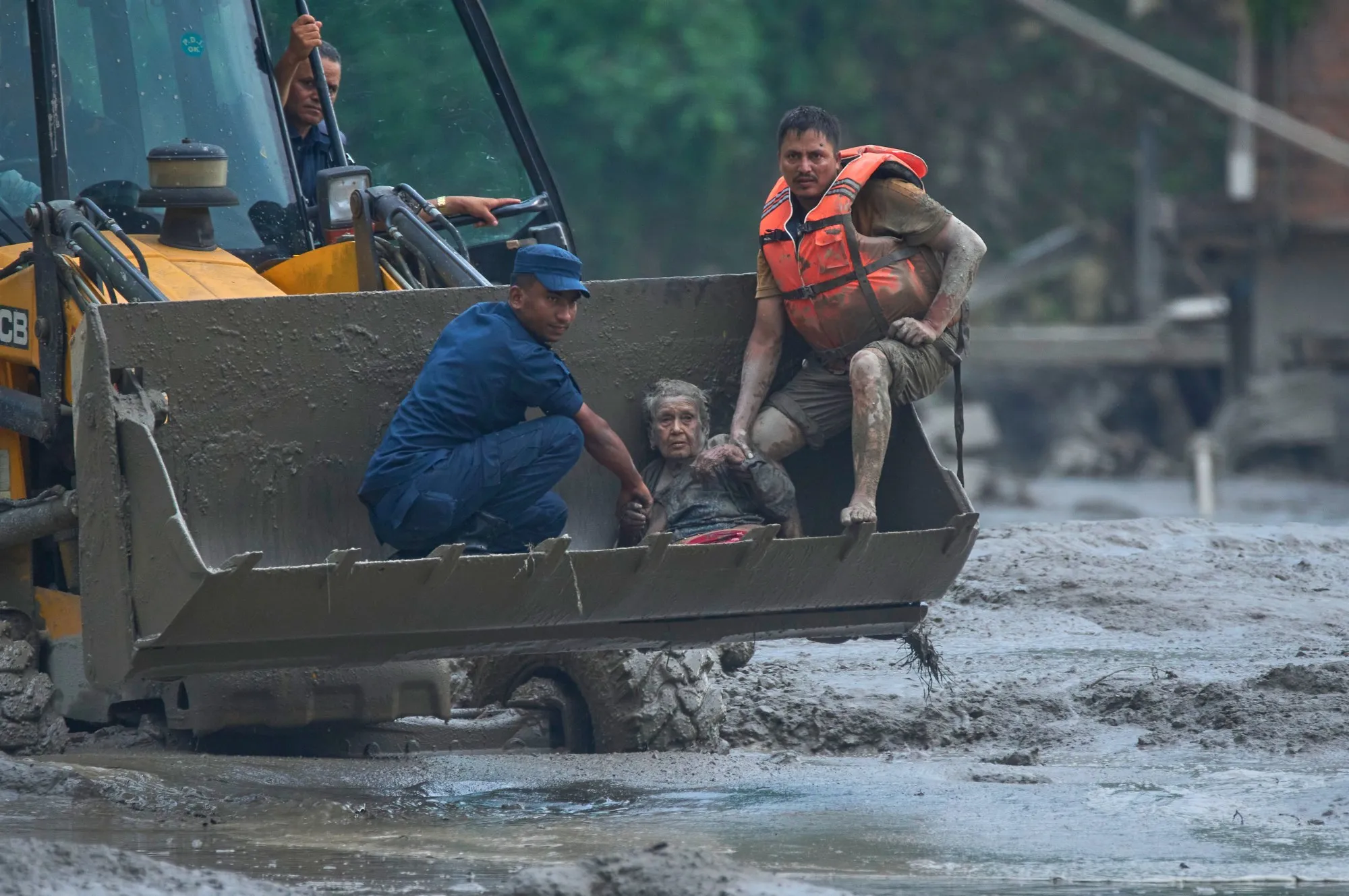
Nepal’s army, police and other emergency personnel have been deployed to the affected areas as authorities race to locate survivors and those still missing.
More Read

However, the mountainous terrain, swollen rivers, damaged roads and continuing risks of landslides have made rescue operations extremely difficult.
In some areas, helicopters have struggled to land because of dangerous weather and river conditions. Authorities have also ordered people living close to rivers to move to safer, higher ground.
Chinese authorities have launched their own rescue efforts on the Tibetan side of the border, particularly around Gyirong County, where a mudslide struck a major border crossing and disrupted roads, communications and power supplies.
Chinese President Xi Jinping has called for intensified search-and-rescue operations and stronger monitoring and early-warning measures to prevent further casualties.
Possible Link to Geological and Climate Events
The precise cause of Wednesday’s disaster is still being investigated.
Early reports indicate that a wall of mud, rock and ice may have collapsed into the river, producing a sudden and powerful surge downstream. Some reports have also pointed to an avalanche or landslide in the mountainous region.
The Himalayan region has experienced a growing number of devastating floods, landslides and glacial-related disasters in recent years. Scientists have warned that rising temperatures are accelerating glacier melt and increasing the risks associated with unstable mountain environments.
The same Bhote Koshi River experienced a deadly flood last year that killed nine people and left 24 missing.
Authorities Urge Vigilance
Nepalese authorities have urged residents and visitors in flood-prone areas to remain alert and avoid riverbanks as rescue operations continue.
With hundreds still unaccounted for, authorities are working to establish the whereabouts of missing tourists and local residents while assessing the full extent of the destruction.
For families across Nepal and several other countries, the search has become a desperate race against time.
As rescue teams move deeper into the devastated Himalayan valleys, officials warn that the final human and economic cost of the disaster may be considerably higher than currently known.
The search for survivors and missing persons is continuing.