WASHINGTON, D.C. — The administration of United States President Donald Trump has intensified its rollback of Temporary Protected Status, or TPS, placing thousands of African nationals living in the country under increased pressure as they face the possible loss of legal protection from deportation and employment authorization.

The latest developments affect nationals of countries including Somalia, South Sudan, Cameroon and Ethiopia, as the Trump administration continues its broader effort to dismantle humanitarian immigration protections granted to migrants whose home countries have been considered unsafe for return.
Temporary Protected Status is a federal humanitarian programme that allows eligible nationals of designated countries already living in the United States to remain temporarily and obtain authorization to work when conditions such as armed conflict, natural disasters or other extraordinary circumstances make it unsafe for them to return home.
However, TPS does not provide permanent residency or create a direct pathway to U.S. citizenship.
More Read

For Somalis in the United States, the latest development is particularly significant. A federal judge on Friday cleared the way for the Trump administration to terminate TPS for nearly 1,100 Somali nationals, removing the legal safeguards that had protected them from deportation. The termination became effective on August 14, 2026.
The decision followed months of legal challenges. A previous court order had temporarily blocked the termination after advocates argued that the administration’s decision was unlawful and improperly motivated. The latest ruling came after a June 2026 Supreme Court decision that significantly restricted judicial review of the administration’s authority to terminate TPS designations.
South Sudanese nationals have also faced the loss of TPS protection, while the administration has moved to terminate protections for Cameroon and Ethiopia as part of the wider rollback. The status of some of these terminations has been affected by ongoing court proceedings and administrative extensions.
More Read

The Trump administration’s actions extend far beyond Africa.
The countries whose TPS protections have been targeted include Afghanistan, Cameroon, Ethiopia, Haiti, Honduras, Myanmar, Nepal, Nicaragua, Somalia, South Sudan, Syria, Venezuela and Yemen. Together, the terminations affect a substantial portion of the people who held TPS in the United States. The Pew Research Center estimates that the administration has taken steps to end TPS for 13 countries, potentially affecting about one million people who had the status as of March 2025.
The administration has argued that TPS was intended to be temporary and that conditions in some designated countries have changed sufficiently to allow their nationals to return.
Critics, however, argue that conditions in several of the affected countries remain unstable and that ending the protections could expose vulnerable migrants to dangerous situations while disrupting families and communities that have lived and worked in the United States for years.
For affected migrants, the consequences can be significant.

More Read

Once TPS protection ends, individuals who do not have another valid immigration status may lose their protection from removal and their authorization to work legally in the United States.
However, the end of TPS does not automatically mean that every former beneficiary will be deported.
Individuals who have another lawful immigration status, a pending immigration case or application, or who qualify for another form of humanitarian protection may still have a legal basis to remain in the country.
Immigration advocates are therefore urging affected individuals to determine whether they qualify for alternative forms of protection rather than assuming that the termination of TPS immediately requires them to leave the United States.
The rollback marks a major shift in U.S. immigration policy under President Trump.
TPS was created by Congress in 1990 to provide temporary protection to people already in the United States who could not safely return to designated countries because of war, natural disasters or other extraordinary circumstances. Over the years, protections for some countries have been repeatedly extended as crises in those nations continued.
Somalia, for example, has had TPS protection dating back to the early 1990s, following the collapse of the country’s central government and the outbreak of prolonged conflict. South Sudan was similarly protected because of continuing conflict and humanitarian challenges.
The Trump administration’s decision to dismantle many of these protections has therefore left thousands of migrants facing an uncertain future.
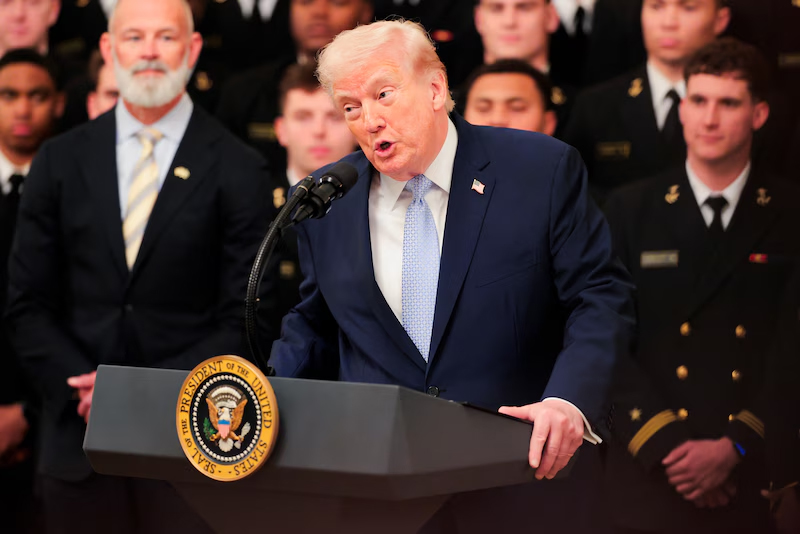
As the administration continues its immigration crackdown, legal challenges are expected to remain a major part of the battle over TPS, while affected migrants and their families are being forced to consider whether they have another lawful route to remain in the United States.
For those without an alternative immigration status, the end of TPS could ultimately expose them to immigration enforcement and removal proceedings.
The humanitarian programme that once offered temporary safety is now becoming a source of uncertainty for thousands of African migrants living in the United States.