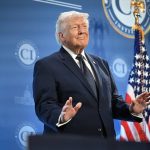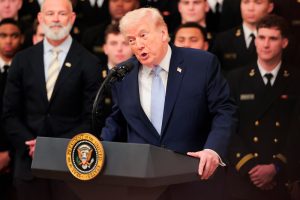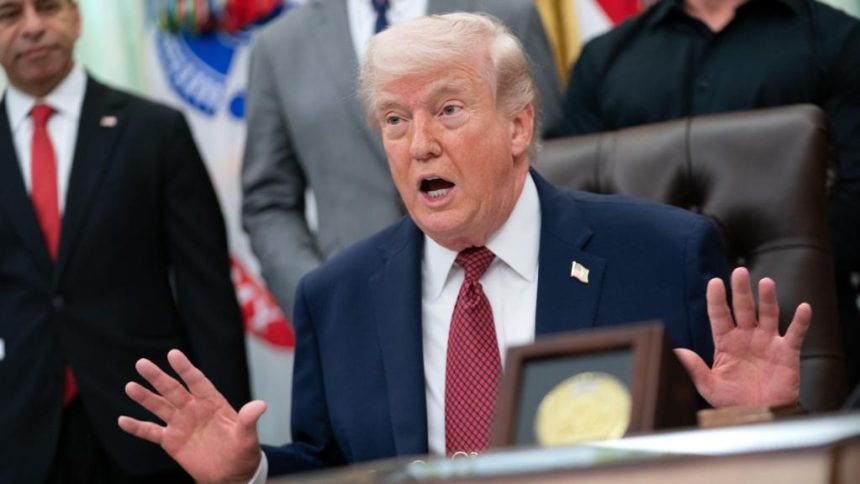
Tensions between the United States and Iran have escalated sharply after U.S. President Donald Trump warned he “expects to be bombing” if upcoming diplomatic talks fail to yield progress, casting a shadow over fragile peace efforts in the Middle East.
The stark warning comes ahead of a possible second round of U.S.-Iran negotiations expected to take place in Islamabad, Pakistan, where top officials from both sides are anticipated to meet under international mediation. However, uncertainty looms as Iran has signaled hesitation about participating amid rising military threats and deep mistrust.
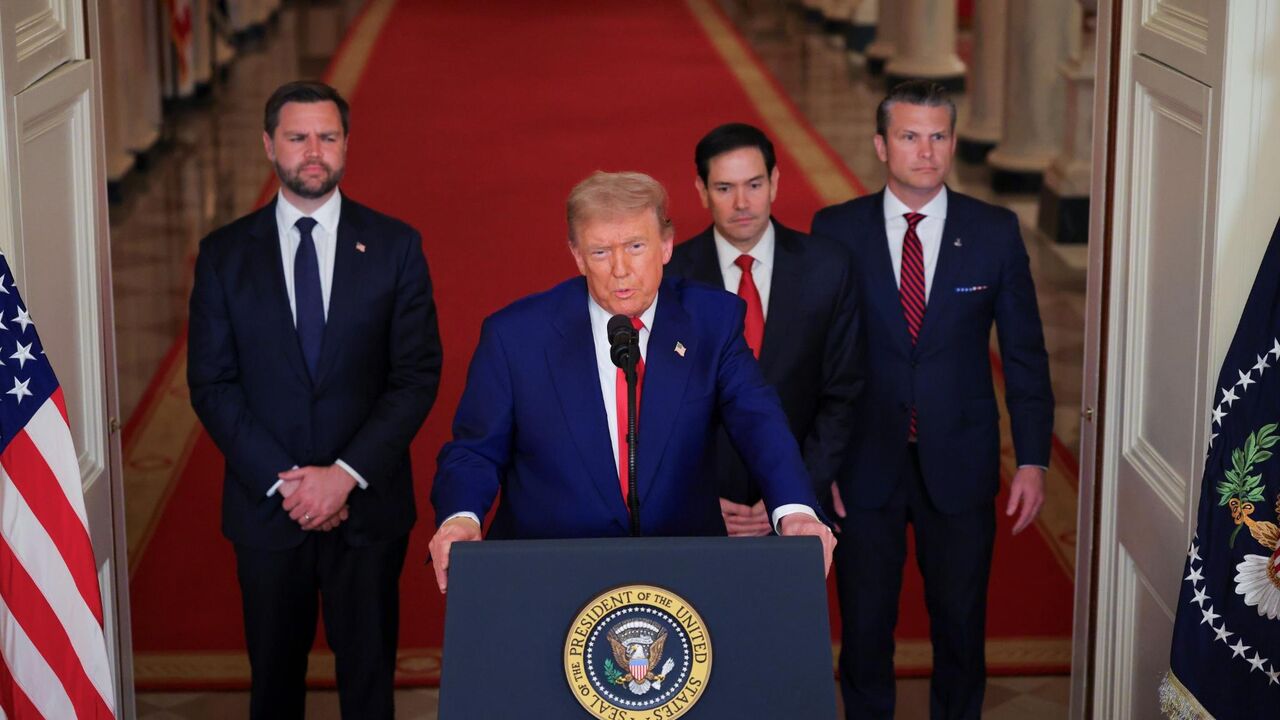
Speaking in a live interview, Trump adopted a hardline stance, suggesting that entering negotiations with a posture of force could strengthen the U.S. position. He emphasized that the American military is “ready to go,” indicating that renewed airstrikes remain a real possibility if diplomacy stalls.
The warning comes as a two-week ceasefire between the two nations nears expiration. Trump has expressed reluctance to extend the truce without tangible results, increasing pressure on negotiators to secure a breakthrough quickly.
More Read

Meanwhile, regional and global powers are scrambling to keep talks alive. Pakistan, backed by diplomatic support from China and other countries, is working to bring both sides to the negotiating table in a bid to prevent a return to full-scale conflict.
Despite these efforts, signals from Tehran remain mixed. Iranian officials have indicated they may refuse negotiations conducted under threats, while also hinting at undisclosed military capabilities, further raising stakes in the already volatile standoff.
More Read

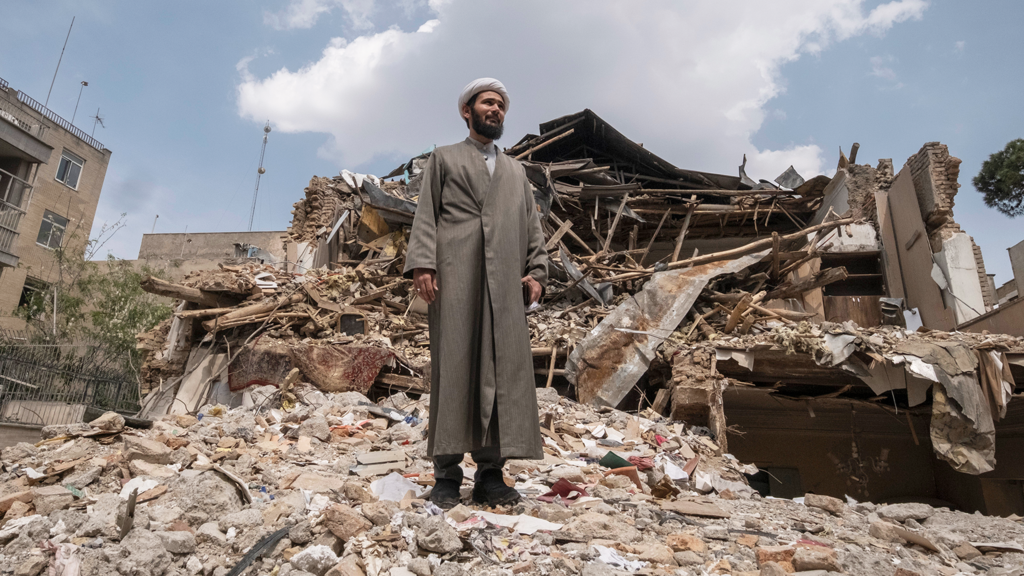
The broader conflict has already had far-reaching consequences, including disruptions to global energy markets and heightened security concerns across the Middle East. Analysts warn that a collapse of talks could trigger a new phase of hostilities with significant global economic and geopolitical repercussions.
For now, the world watches closely as diplomacy and military brinkmanship collide—leaving the future of the region hanging between the prospect of peace and the threat of renewed bombardment.