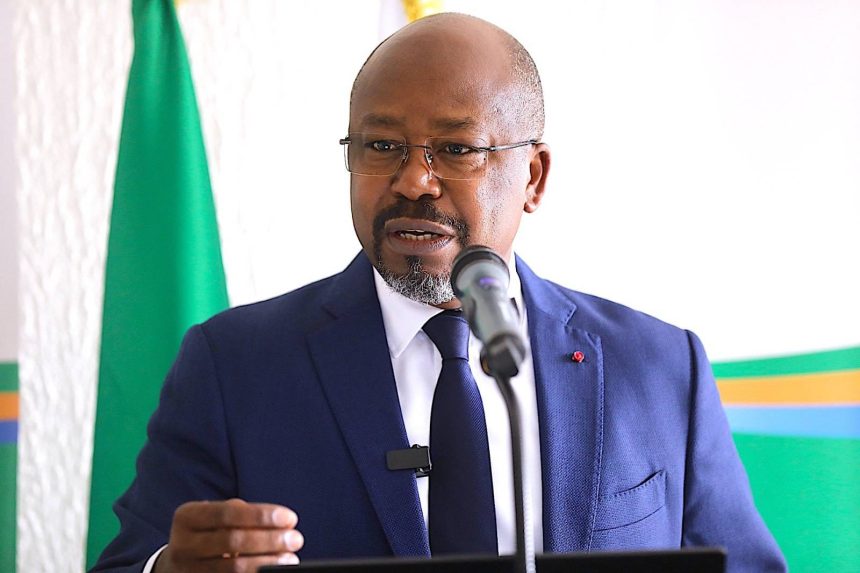
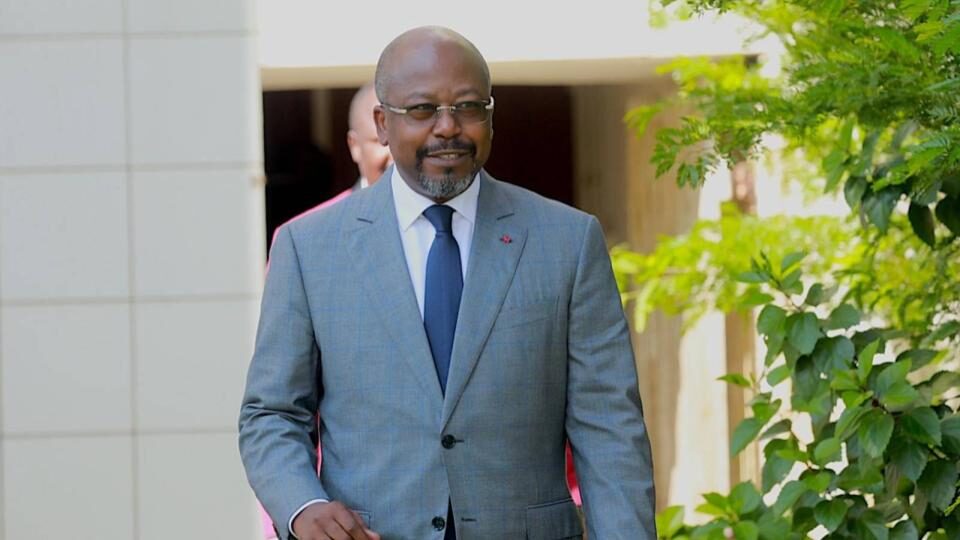
Gabon’s former prime minister and prominent opposition figure, Alain-Claude Bilie-By-Nze, has been placed in pre-trial detention following his arrest on Wednesday, in a move that has stirred political tensions and accusations of persecution.
Judicial authorities say Bilie-By-Nze is under investigation for alleged fraud and breach of trust linked to a national cultural festival held in 2008, where he served as one of the organisers. According to the public prosecutor, the case stems from a complaint filed by a service provider who claims they were never paid for their role in the event.
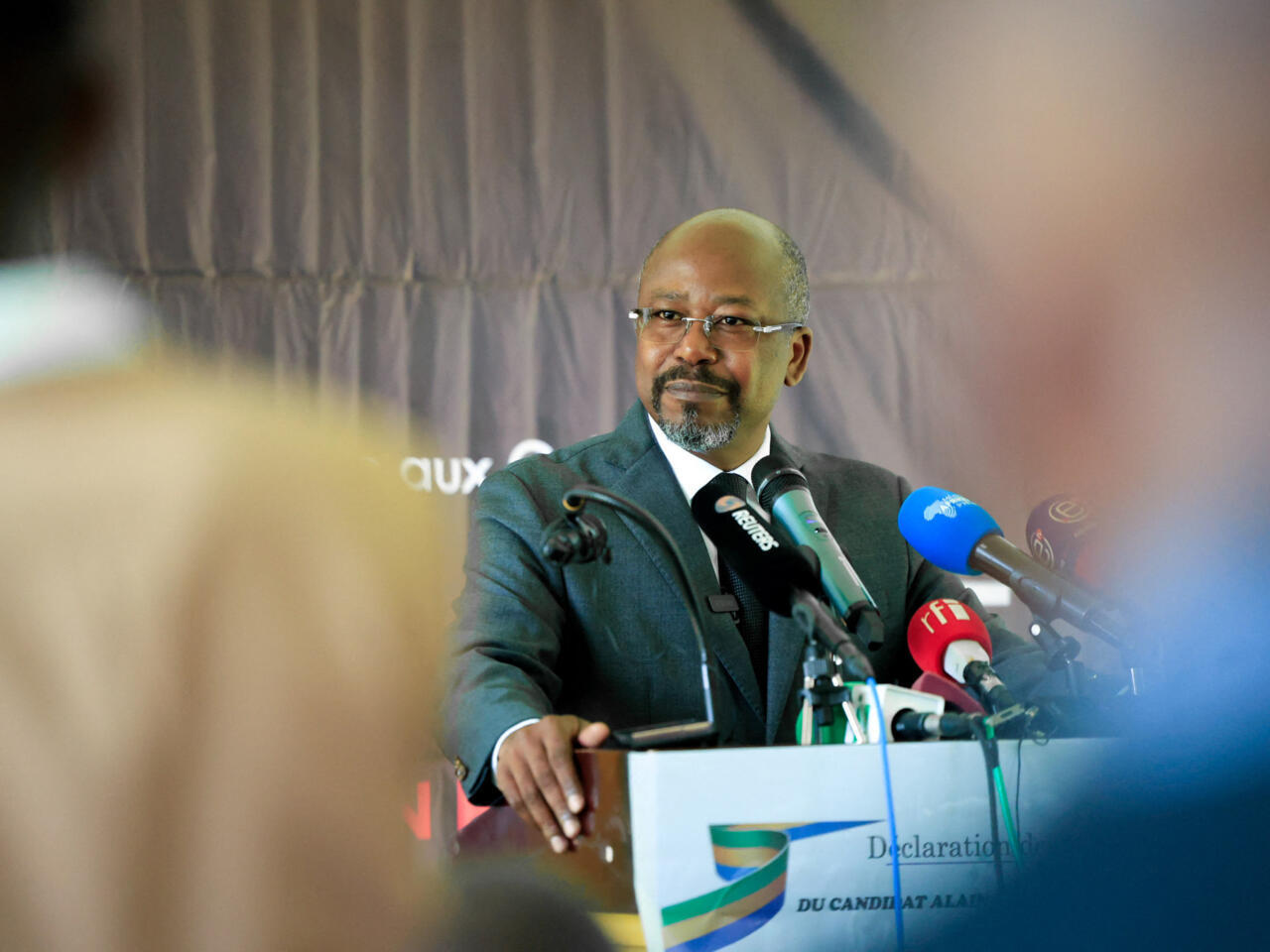
“The alleged facts concern the non-repayment of a sum of five million CFA francs (around $9,000), which he is said to have received,” the prosecutor stated, adding that the complaint directly implicates the former premier.
However, Bilie-By-Nze’s political party, Ensemble pour le Gabon (EPG), has strongly condemned the arrest, describing it as politically motivated. In a statement, the party argued that the unpaid sum was a liability of the Gabonese state at the time, not a personal debt owed by Bilie-By-Nze.
More Read

The party further maintained that he was acting strictly within an official capacity during the organisation of the event, accusing authorities of unfairly targeting him for actions carried out within an institutional framework.
“This arrest is arbitrary, brutal, and manifestly contrary to the fundamental principles of the rule of law,” the EPG said, warning that the move undermines democratic norms.
More Read
Bilie-By-Nze, who served as the last prime minister under former president Ali Bongo Ondimba, has emerged as a leading voice in the opposition since Bongo was ousted in a military coup in August 2023. The political landscape in Gabon has remained tense since the takeover, led by General Brice Oligui Nguema.
In the country’s most recent election, Bilie-By-Nze was a key contender, finishing second behind Nguema, who has since consolidated power.
His detention is likely to intensify scrutiny of Gabon’s transitional authorities and raise fresh concerns about the treatment of opposition figures in the post-coup era. Observers say the case could further deepen divisions in a nation still navigating its political future following the end of decades-long Bongo family rule.