Denis Sassou-N’Guesso was sworn in as president of the Republic of Congo on Thursday, marking the start of his fifth term in office following a landslide victory in March’s presidential election. The 82-year-old leader, one of Africa’s longest-serving heads of state, used his inauguration speech to pledge economic renewal and job creation, particularly for the country’s growing youth population.
Speaking during a ceremony in Brazzaville, attended by several African heads of state, Sassou-N’Guesso outlined his vision for revitalizing the national economy. He emphasized the need to diversify beyond oil by investing in agriculture and industry, while also committing to infrastructure development.
“We will create jobs for as many people as possible, continue to develop basic infrastructure, and promote development,” he said.
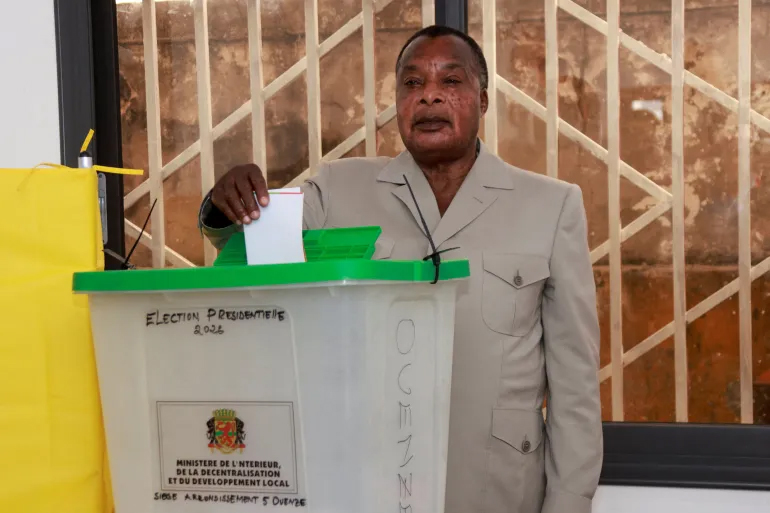
Official results from the March election showed Sassou-N’Guesso winning 94.9 percent of the vote in the first round, with turnout reported at over 84 percent. However, the results have been contested. Opposition candidates alleged widespread fraud and claimed voter turnout was significantly lower than reported. Despite these concerns, observers from the African Union described the electoral process as “peaceful and orderly.”
More Read

Sassou-N’Guesso’s political career spans more than four decades. He first came to power in 1979 and ruled until 1992, when he oversaw the country’s transition to multi-party elections and subsequently lost power. He returned to the presidency in 1997 after leading a militia during a brief but violent civil war and has remained in office ever since.

His latest term begins against the backdrop of mounting economic pressures. According to the World Bank, the Republic of Congo’s public debt stands at approximately 94.5 percent of its gross domestic product. More than half of the country’s 5.7 million people live below the poverty line, while youth unemployment remains a pressing concern. Nearly half of the population is under the age of 18, underscoring the urgency of job creation.
More Read

Although the country’s economy is heavily dependent on oil and gas revenues—key drivers of an estimated 2.9 percent growth forecast for 2025—critics argue that wealth from these resources has not translated into improved living standards for the majority. Allegations persist that significant portions of state oil revenues have been diverted by senior officials, a claim that has fueled both domestic discontent and international scrutiny.
The Congolese government has faced multiple investigations and legal complaints abroad, particularly in France, over alleged corruption and financial misconduct.
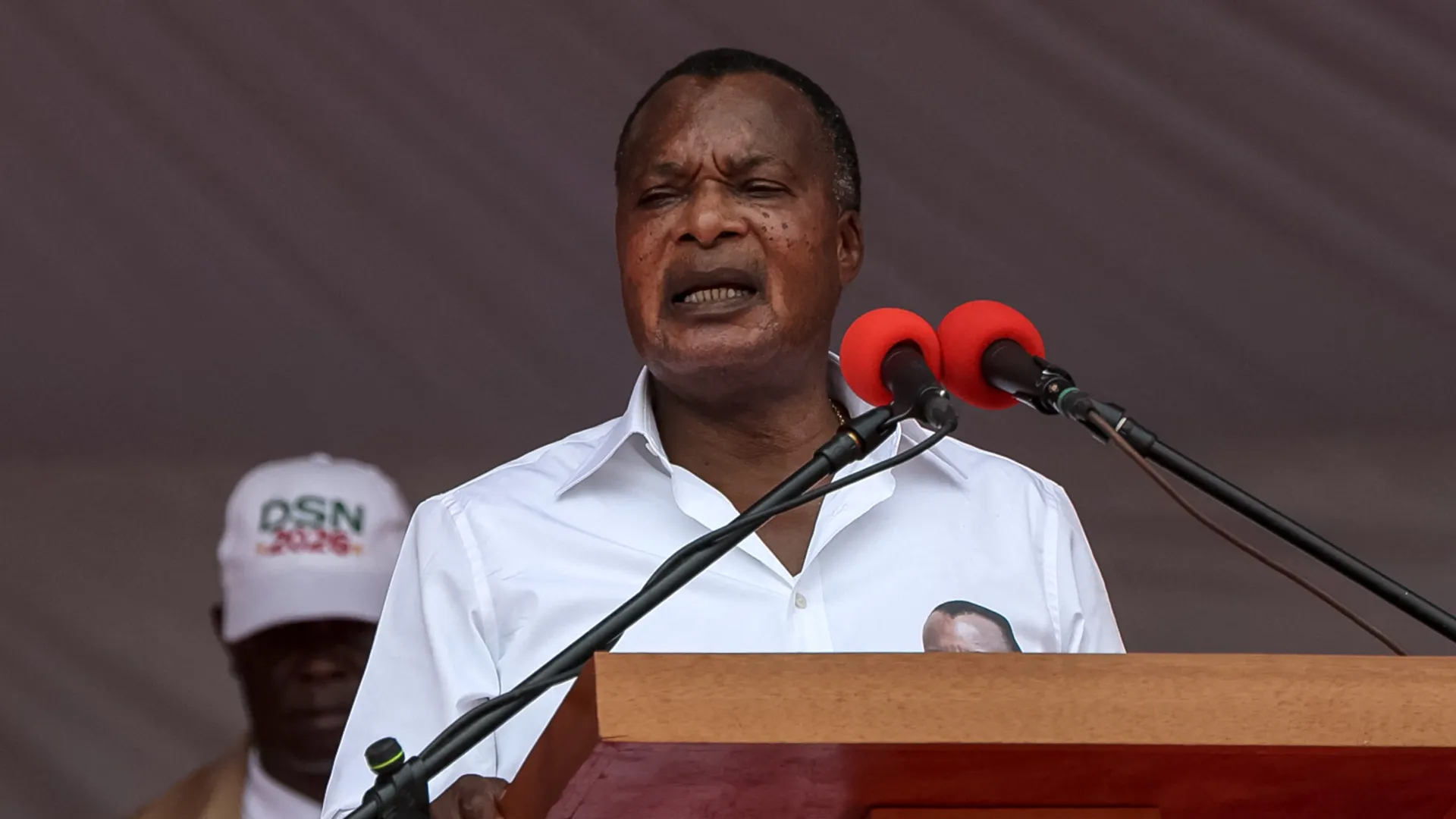
During his campaign, Sassou-N’Guesso pointed to his track record in infrastructure development and efforts to boost sectors such as gas and agriculture as evidence of his commitment to economic progress. As he embarks on another term, the challenge remains whether those promises can address the country’s deep-rooted economic inequalities and restore public confidence in governance.
For many Congolese citizens, the new term represents both continuity and uncertainty—continuity in leadership, and uncertainty over whether long-standing issues of poverty, unemployment, and transparency will finally be resolved.