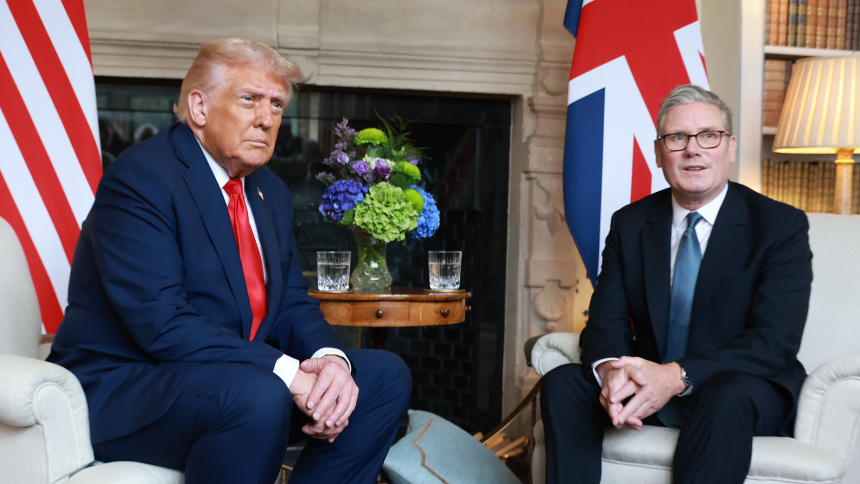
The UK government has effectively shelved its controversial agreement to transfer sovereignty of the Chagos Islands to Mauritius, following a breakdown in relations with the United States and the absence of formal American approval.
Prime Minister Sir Keir Starmer’s administration had been working to push the deal through Parliament, but officials now say there is insufficient time to pass the necessary legislation before Parliament is prorogued in the coming weeks. The proposed bill is also not expected to feature in the King’s Speech scheduled for mid-May, further signalling a pause in progress.
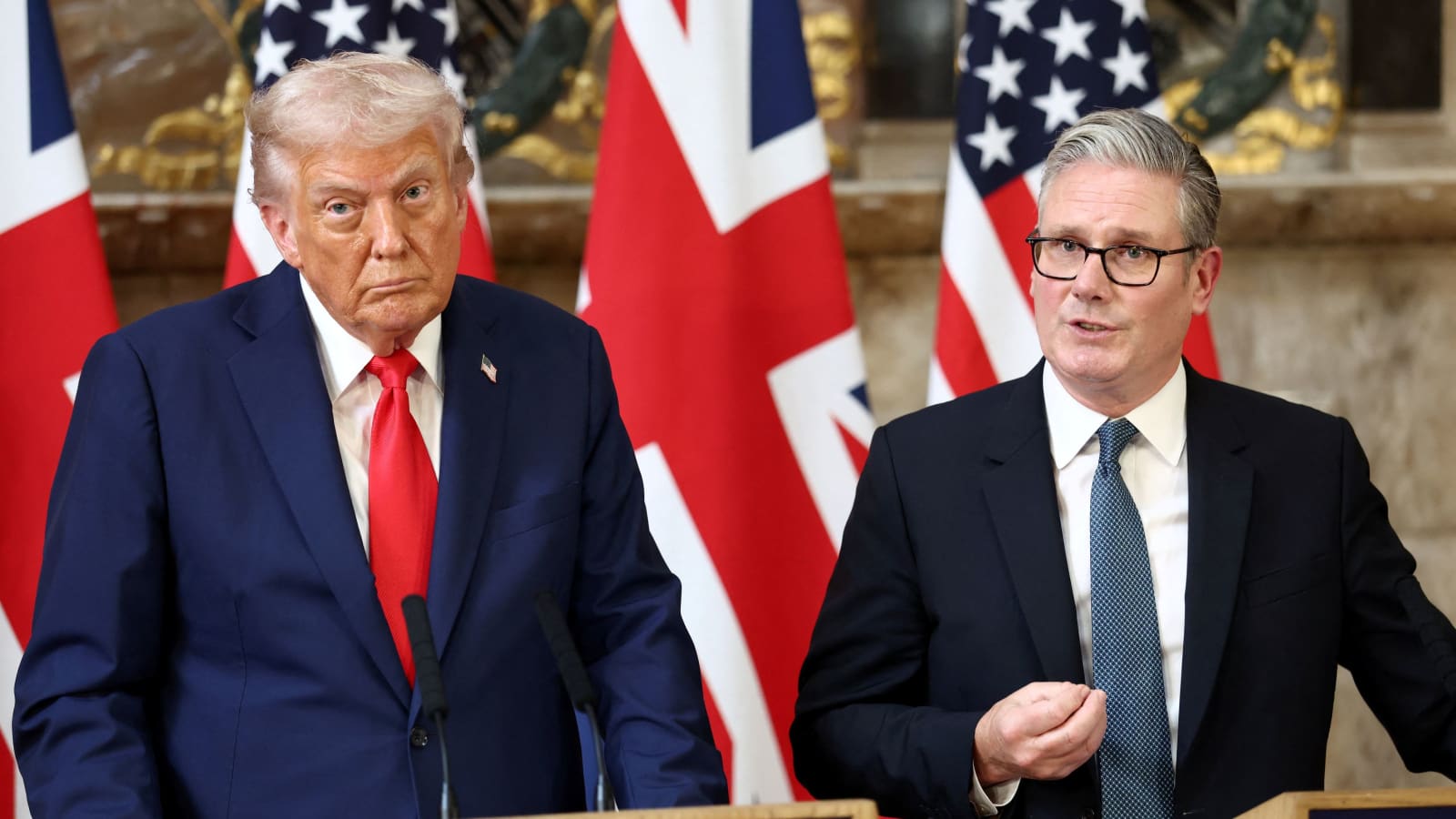
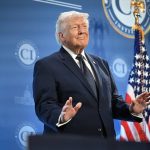
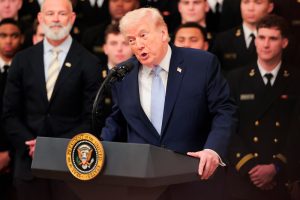
At the heart of the delay is the UK’s failure to secure a formal “exchange of letters” from the US — a legal requirement for the treaty to come into force. While Washington had initially backed the agreement, US President Donald Trump has since publicly criticized the plan, calling it “an act of total weakness” and urging the UK not to “give away Diego Garcia,” the strategically vital island hosting a joint UK-US military base.
The Chagos Islands, officially known as the British Indian Ocean Territory, have been under British control since the early 19th century. Under the proposed deal, the UK would cede sovereignty to Mauritius while paying an estimated £101 million annually to lease back the Diego Garcia base.
More Read

A UK government spokesperson stressed the importance of the base, describing it as “a key strategic military asset” and reaffirming that its long-term security remains the government’s priority. “We continue to believe the agreement is the best way to protect the long-term future of the base,” the spokesperson said, adding that the UK would only proceed with the deal if it has full US support.
Despite the current setback, officials insist the agreement has not been abandoned entirely, with discussions ongoing between the UK, the US, and Mauritius.
The deal, signed in May 2025, had initially received US backing, but its future became uncertain earlier this year when Trump voiced strong opposition. His intervention has raised broader concerns about the reliability of the UK-US partnership.
More Read

Domestically, the decision to shelve the deal has drawn mixed reactions. Opposition parties, including the Conservatives and Reform UK, welcomed the move. Conservative leader Kemi Badenoch described the agreement as a “surrender” and criticized the government for attempting to relinquish British territory while committing billions in payments.
Reform UK leader Nigel Farage also praised the pause, calling it “long overdue” and urging the government to focus on supporting displaced Chagossians in returning to their homeland.
Meanwhile, the Liberal Democrats condemned the handling of the agreement as “shambolic,” with foreign affairs spokesman Calum Miller warning that Trump’s shifting stance highlights the fragility of relying on US support. He called for greater clarity on future military cooperation and stronger protections for Chagossian rights.
For many Chagossians, the deal remains deeply contentious. Displaced decades ago to make way for the military base, some view the agreement as a betrayal and continue to advocate for the UK to retain sovereignty, hoping it may one day allow them to return.
As it stands, the future of the Chagos Islands deal remains uncertain — caught between geopolitical tensions, domestic political divisions, and unresolved historical grievances.