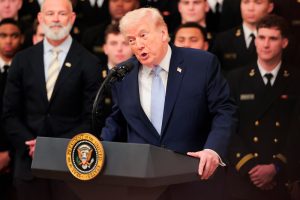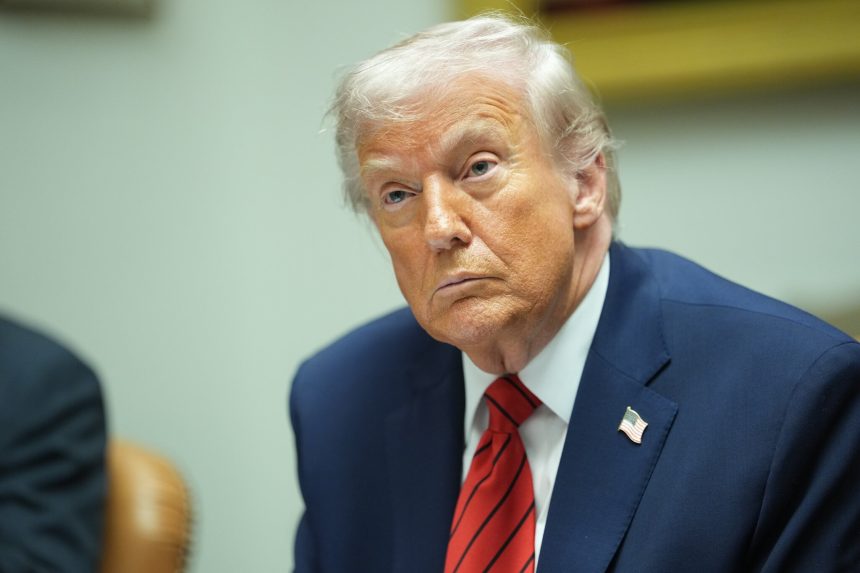
US President Donald Trump has said he is considering seizing Iran’s main oil export hub, Kharg Island, as the ongoing US-Israel war with Iran enters its fifth week, raising fears of a wider regional conflict and further disruption to global energy markets.
In an interview with the Financial Times published Sunday, Trump described taking control of Iran’s oil infrastructure as his “favourite” option, despite opposition within the United States. “Maybe we take Kharg Island, maybe we don’t. We have a lot of options,” he said, adding that such a move would require a prolonged US presence.
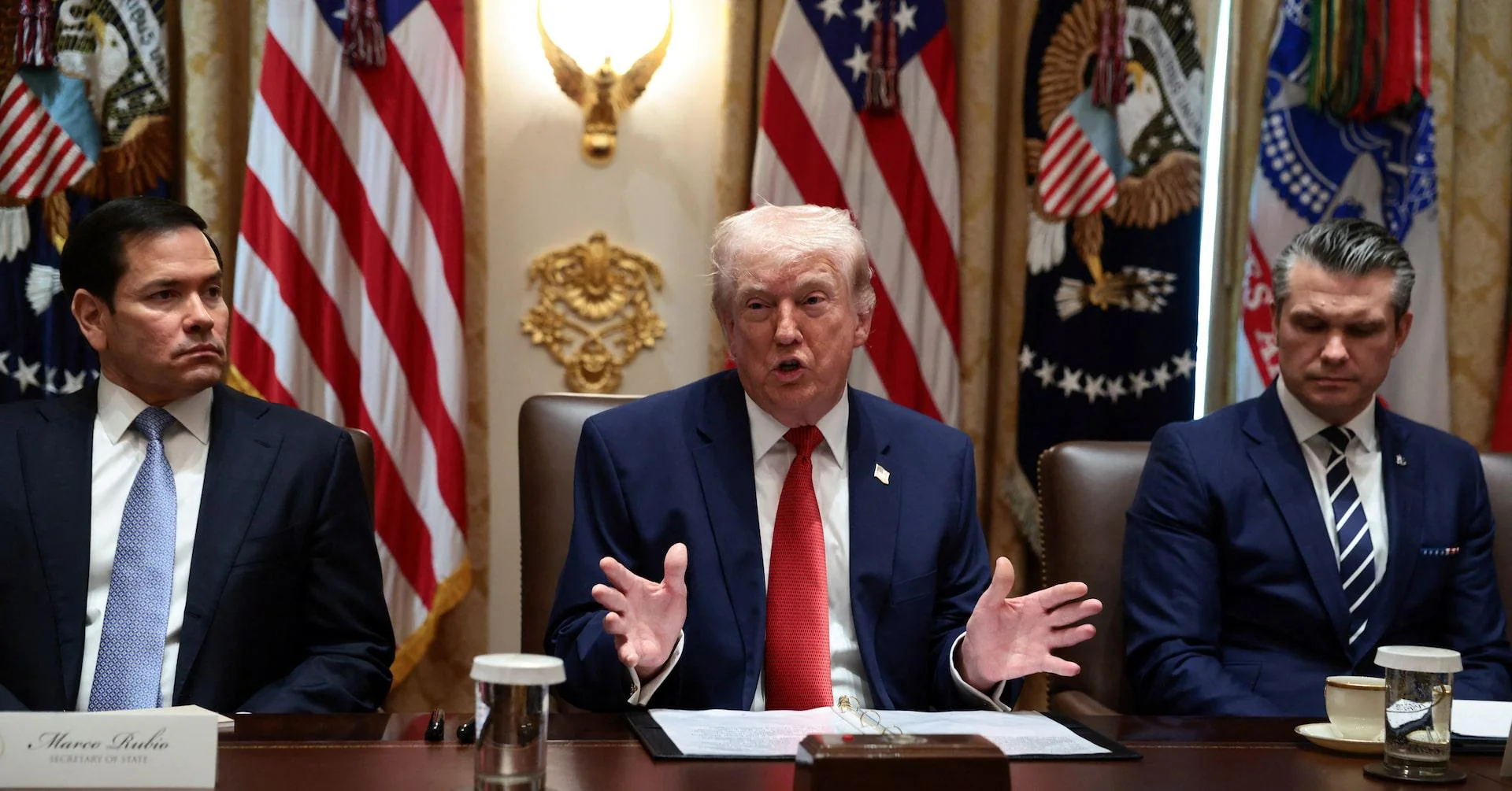
Kharg Island is the backbone of Iran’s oil exports, receiving crude from major offshore fields and serving as a critical processing and shipping hub. Any attempt to seize it would strike at the heart of Iran’s economy and could significantly disrupt global oil supply.
The remarks come amid a continued US military buildup in the Middle East. The US Central Command (CENTCOM) confirmed that about 3,500 additional troops recently arrived in the region aboard the USS Tripoli, with further deployments reportedly under consideration.
More Read

Iranian officials have issued strong warnings in response. Parliament Speaker Mohammad Bagher Ghalibaf said any move against Iranian territory would trigger retaliatory strikes on key infrastructure in countries supporting such operations. He also warned that US troops entering Iran would face direct attack.
Meanwhile, diplomatic efforts are underway to contain the crisis. Senior officials from Pakistan, Saudi Arabia, Egypt and Türkiye are meeting in Islamabad to explore ways to de-escalate tensions that are already rattling the global economy.
Oil markets have reacted sharply, with Brent crude rising more than 3 percent to exceed $116 per barrel, reflecting concerns over supply disruptions, particularly through the Strait of Hormuz—a vital route for about a fifth of the world’s oil.
More Read

Humanitarian costs are mounting. Iran’s Health Ministry says more than 2,000 people have been killed since the conflict began, including over 200 children, while additional casualties have been reported across Gulf states.
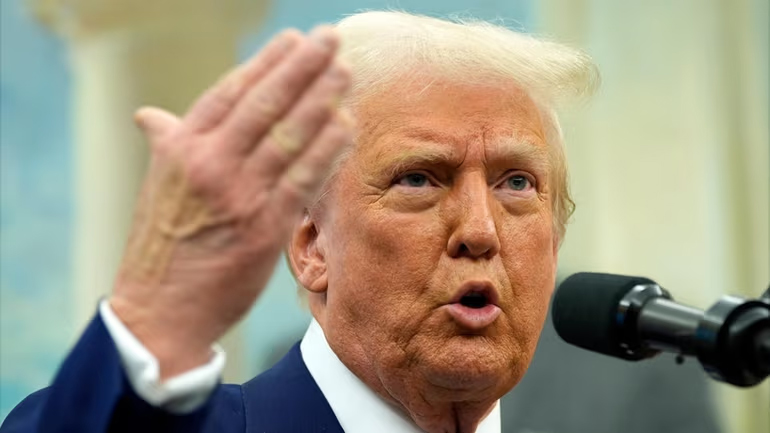
Efforts toward a ceasefire remain uncertain. Trump has proposed a 15-point peace plan, which Tehran has rejected, instead demanding an end to attacks, compensation for damages and guarantees against future aggression.
Despite ongoing negotiations, Trump signaled continued military pressure, saying thousands of targets remain. Conflicting claims also persist regarding the condition of Iran’s leadership, further adding to the uncertainty.
With tensions high, global attention is focused on whether diplomacy can prevail or if the conflict will escalate further, with potentially far-reaching consequences for regional stability and the world economy.