A newly imposed government curfew in Egypt is stirring concern among business owners, who warn the measure could significantly hurt trade and tourism as authorities attempt to rein in soaring energy costs.
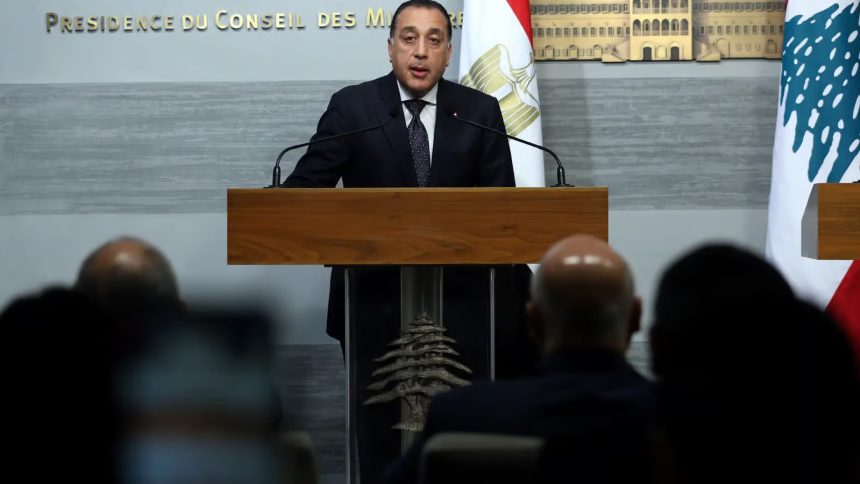
Prime Minister Mostafa Madbouly announced that shops, restaurants, and shopping malls must now close by 9:00 pm on weekdays and 10:00 pm on weekends. The directive, which is expected to last for at least one month, is part of an emergency effort to reduce the country’s rapidly rising energy bill.
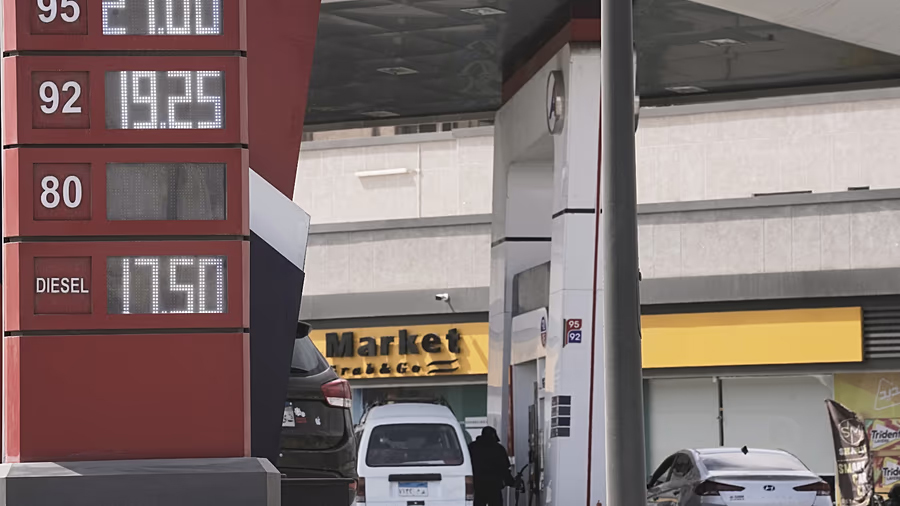
Officials say fuel costs have surged due to disruptions linked to ongoing regional instability, placing increasing pressure on Egypt’s import-dependent energy sector and straining national finances. By shortening business hours, the government aims to curb electricity consumption and ease the burden.
However, the decision has drawn criticism from traders and business owners, particularly in Cairo, where evening commerce plays a central role in economic activity.
More Read

Ahmed Ali, a bazaar owner in the capital, said the timing of the curfew clashes with peak business hours driven largely by tourism.
“This decision will affect my business, everything — employees, salaries,” he said. “It’s almost 8 pm now, and tourists are still arriving. How can you expect me to close at nine? Will the tourists be able to leave in just one hour? It’s unreasonable. We need the closure extended by one or two hours at least.”
Others echoed similar concerns, warning that the impact will extend beyond individual businesses to entire sectors of the economy.

Remon Wagieh, a jewelry shop owner, said the restrictions could disrupt Egypt’s unique nighttime economy, which is heavily relied upon by tourists.
“The decision will affect all sectors in the country, whether it’s jewelry, tourism, restaurants or any other area. Everyone will be affected,” he said. “Here, tourists only go out in the evening. In other countries, tourists don’t go out at night, but in Egypt, they might stay out until morning.”
Business owners argue that the policy risks dampening nightlife and reducing spending, particularly in areas dependent on evening visitors. Many fear that even a temporary restriction could lead to lasting financial strain, including reduced revenues and potential job losses.
Despite the backlash, the government maintains that the measure is both necessary and temporary, emphasizing that key tourist destinations will remain unaffected.
Still, uncertainty remains among traders, who say the coming weeks will determine whether the curfew helps stabilize the economy — or deepens the challenges facing Egypt’s business community.