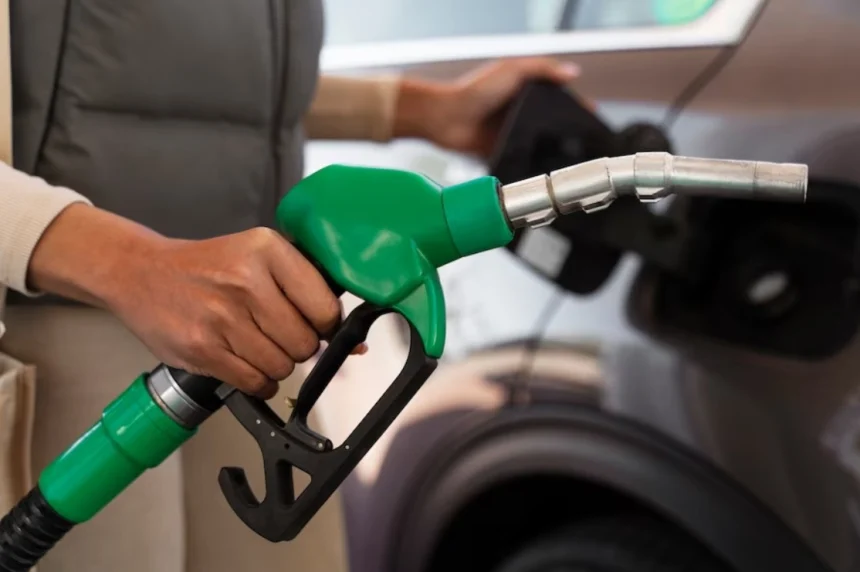
Nigerians are facing a deepening energy crisis as persistent power outages collide with a sharp surge in petrol prices, forcing millions to ration electricity while scrambling for increasingly expensive fuel.
Across major cities and rural communities alike, households and businesses are battling erratic electricity supply, leaving many with no choice but to depend on petrol-powered generators. However, that lifeline is fast becoming unaffordable, as the pump price of petrol has reportedly climbed to as high as N1,500 per litre in some parts of the country.
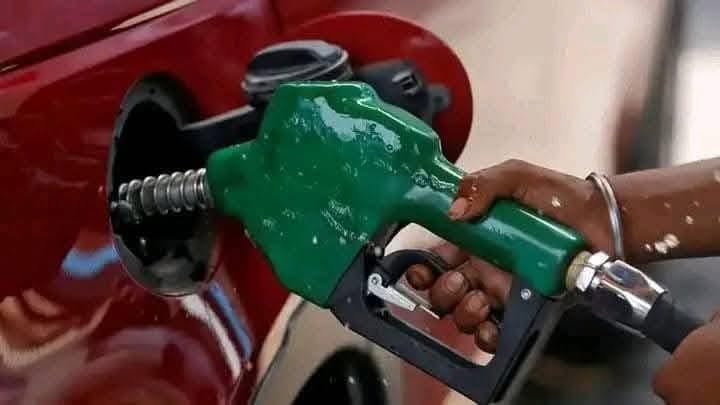
The twin challenges have created what many describe as a “double tragedy,” intensifying the cost of living crisis and placing further strain on already struggling Nigerians.
“I barely get four hours of electricity daily,” said a small business owner in Ilorin. “Now petrol is N1,500. How do we survive? If I don’t run my generator, I can’t work. If I buy fuel, I don’t make profit.”
More Read

Businesses Hit Hard
Small and medium-sized enterprises (SMEs), long reliant on generators to bridge Nigeria’s power supply gap, are among the hardest hit. From barbershops to frozen food vendors, many say operating costs have doubled or even tripled in recent weeks.
Some businesses have reduced working hours, while others have shut down entirely.
“We now open only when there is power,” another trader lamented. “Running a generator all day is no longer sustainable.”
More Read

Households Forced to Adapt
For households, the situation is equally dire. Many families are cutting back on fuel usage, limiting generator hours to essential needs such as charging phones, pumping water, or preserving food.
In some neighborhoods, residents have resorted to communal solutions, pooling resources to share generator usage. Others have turned to alternative energy sources such as solar power, though high upfront costs remain a barrier for most.
Economic Pressure Mounts
The spike in petrol prices is also driving up transportation costs, further inflating prices of goods and services. Commuters now pay significantly more for daily travel, while food prices continue to rise due to increased logistics costs.
Economic analysts warn that the combined effect of unstable electricity and expensive fuel could worsen inflation and deepen poverty levels if urgent measures are not taken.
Calls for Urgent Intervention
Stakeholders are calling on the government to address the underlying issues in both the power and petroleum sectors. Suggestions include stabilizing fuel supply, improving electricity generation and distribution, and accelerating investments in alternative energy.
More Read

“This is not sustainable,” an energy expert noted. “Nigeria cannot continue to rely heavily on generators while fuel prices are this high. Structural reforms are urgently needed.”
As the crisis lingers, millions of Nigerians remain caught in a daily struggle—choosing between darkness and the high cost of keeping the lights on.