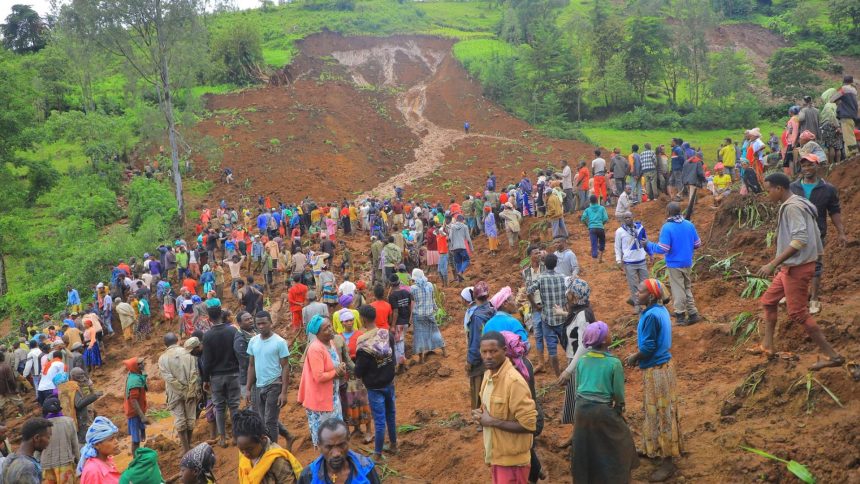
At least 20 people have been killed in devastating landslides in southern Tanzania after days of intense rainfall, as extreme weather continues to batter large parts of East Africa.
The disaster struck early Wednesday in the Mbeya Region, where torrential rains and strong winds triggered landslides that tore through homes and buried entire households. Authorities in Rungwe District confirmed the fatalities, including that of a young child, and warned that the death toll could rise as rescue teams continue to search through mud and debris.
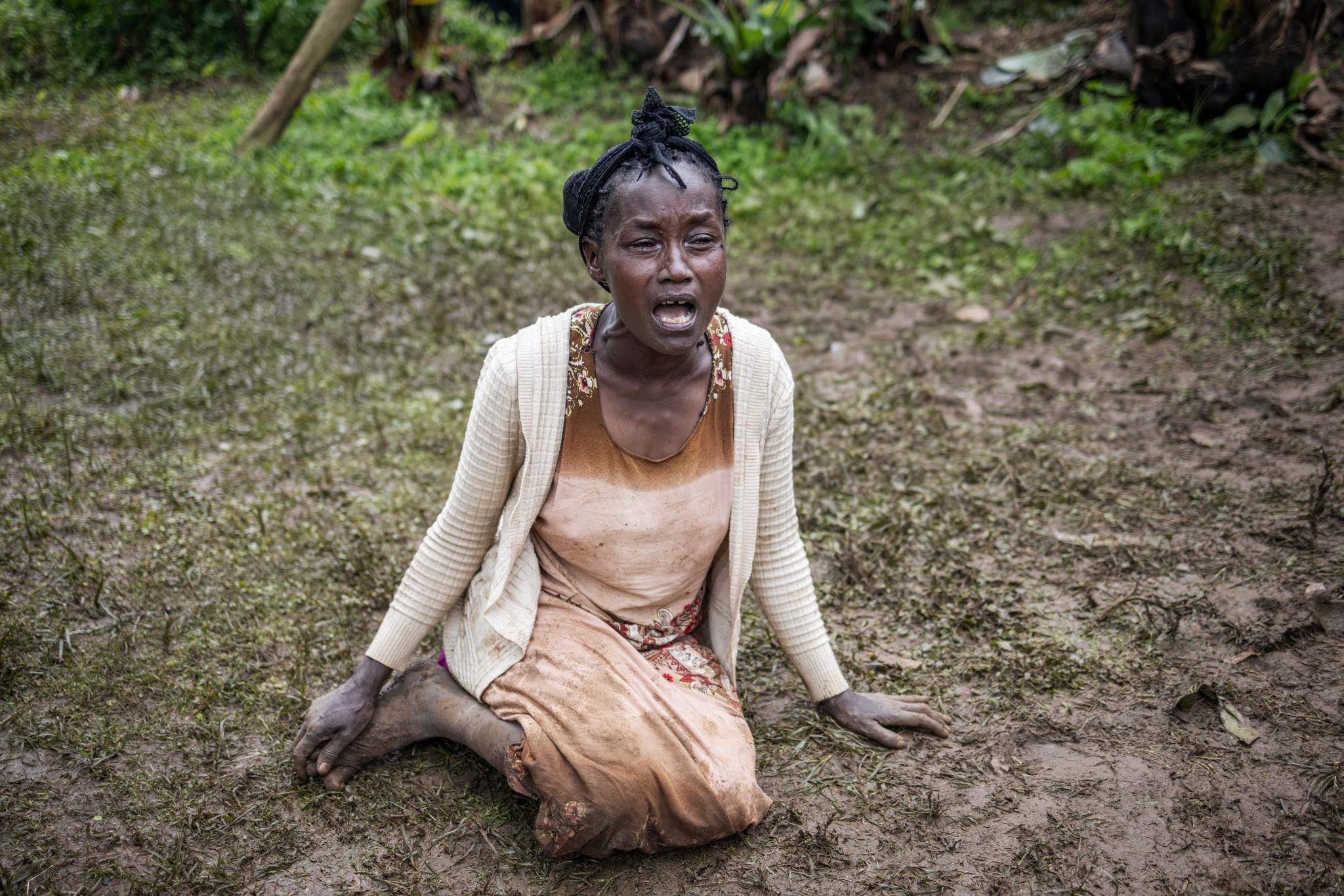
Local officials say the affected communities were caught off guard in the early hours, with little time to escape as slopes collapsed under the weight of saturated soil. Survivors have described scenes of chaos, with homes swept away and families displaced overnight.
Residents living in high-risk areas have been urged to move to safer ground, as weather forecasts indicate that heavy rains are expected to persist in the coming days, raising fears of further landslides and flooding.
More Read

The tragedy in Tanzania is part of a broader regional crisis unfolding across East Africa, where seasonal rains have intensified with deadly consequences.
In Kenya, at least 88 people have died due to widespread flooding, with more than 20 counties reporting severe damage. Rivers have burst their banks after weeks of relentless downpours, submerging homes, destroying infrastructure, and cutting off entire communities. The government has deployed the military to assist in rescue operations and evacuations.
Meanwhile, Ethiopia has also suffered significant losses, with landslides earlier this month killing around 80 people in southern regions already vulnerable to extreme weather.
More Read

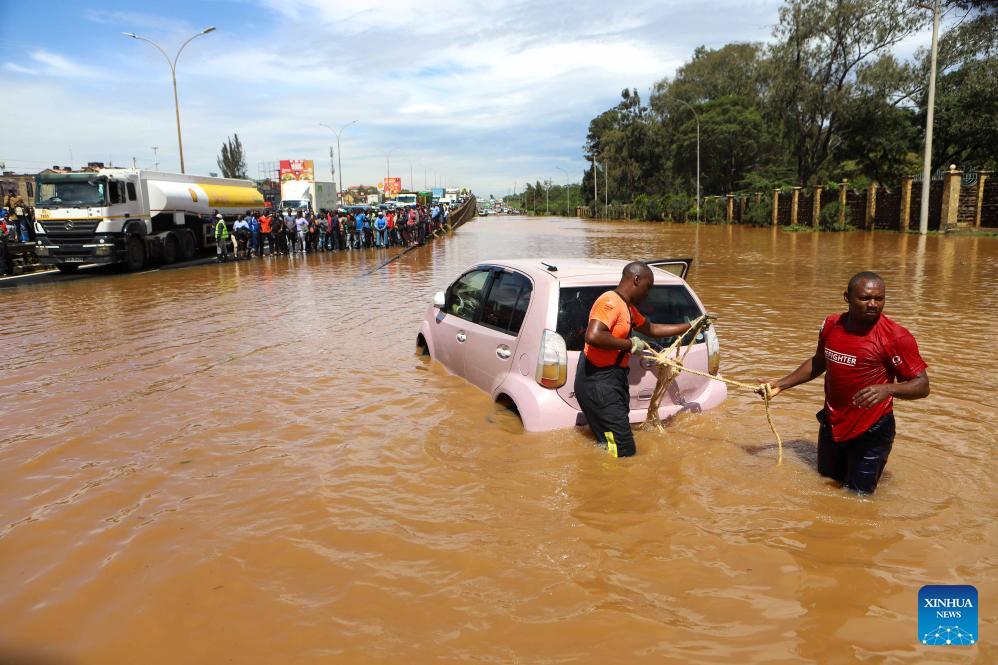
The scale of destruction across the region has raised fresh concerns about disaster preparedness and the vulnerability of communities living in flood-prone and mountainous areas. Many settlements lack adequate drainage systems and early warning mechanisms, leaving residents exposed when heavy rains strike.
Regional climate experts had warned ahead of the March-to-May rainy season that above-average rainfall was likely, with several East African countries expected to experience severe weather events. The current revelation has reinforced those warnings, as extreme conditions continue to test the resilience of communities and governments alike.
With rains still falling and the risk of further disasters looming, authorities across the region face an urgent challenge: protecting lives while responding to one of the most severe seasonal weather events in recent years.