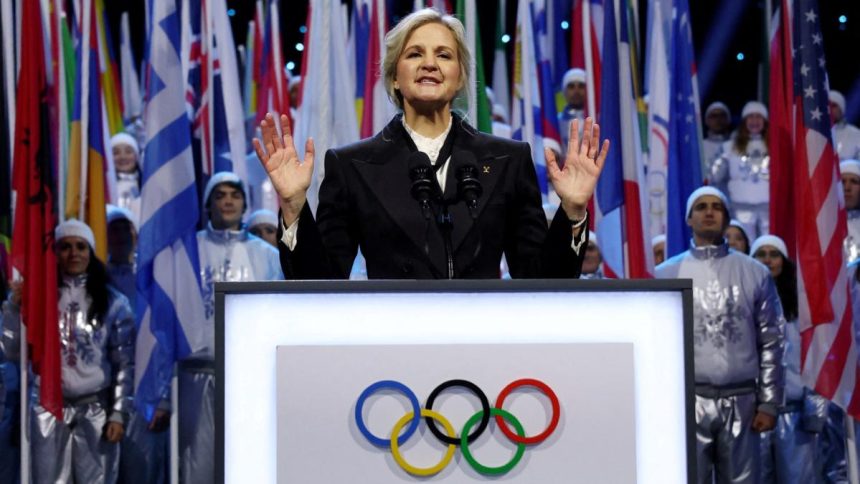
The International Olympic Committee (IOC) has announced a sweeping new eligibility policy that will exclude transgender women from competing in female categories at the Olympic Games, starting with the 2028 Los Angeles Olympics.
In a statement released Thursday, the IOC said participation in women’s events will now be “limited to biological females,” with eligibility determined through a one-time mandatory genetic test during an athlete’s career.
The decision aligns with a recent executive order issued by U.S. President Donald Trump concerning fairness in women’s sports, and marks a significant shift in Olympic policy after years of decentralized rules set by individual sports federations.
Aiming for “Fairness and Integrity”
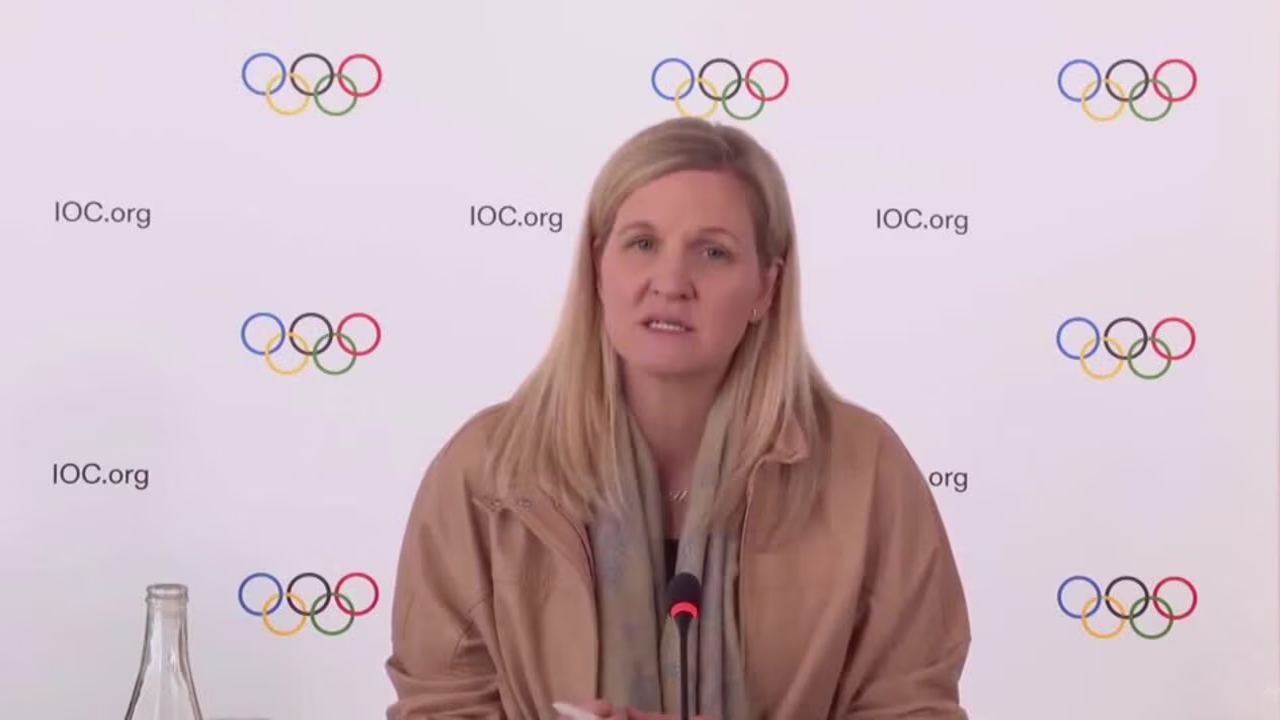
IOC President Kirsty Coventry described the move as necessary to ensure fairness in elite competition.
More Read

“At the Olympic Games, even the smallest margins can be the difference between victory and defeat,” Coventry said. “It is absolutely clear that it would not be fair for biological males to compete in the female category.”
The IOC emphasized that the policy is not retroactive and will not affect grassroots or recreational sports programs. However, it will apply to all Olympic events, including both individual and team competitions.
Impact on Athletes
The new rules could also affect athletes with differences in sex development (DSD), including prominent figures such as Caster Semenya, a two-time Olympic gold medalist who has previously faced eligibility restrictions due to naturally elevated testosterone levels.
More Read

While transgender participation at the Olympic level has been rare, New Zealand weightlifter Laurel Hubbard made history as the first openly transgender woman to compete at the Olympics during the Tokyo 2020 Olympics (held in 2021), though she did not medal. No transgender women competed at the Paris 2024 Olympics.
A Unified Standard
The IOC said the new 10-page policy aims to create a consistent global standard, replacing the previous approach where international federations set their own eligibility rules.
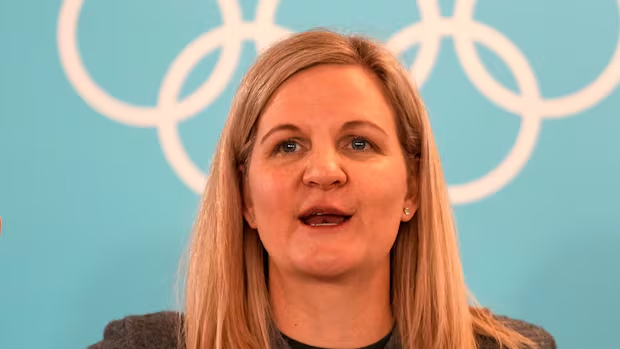
“We know that this topic is sensitive,” Coventry acknowledged during a virtual press briefing, underscoring the balance the IOC seeks between inclusion and competitive equity.
The policy is expected to generate significant debate in the coming years as the global sports community prepares for its implementation in Los Angeles.